

Nathalie Biancheri
4 connections found
Filmography
View:
Connections, in both directions
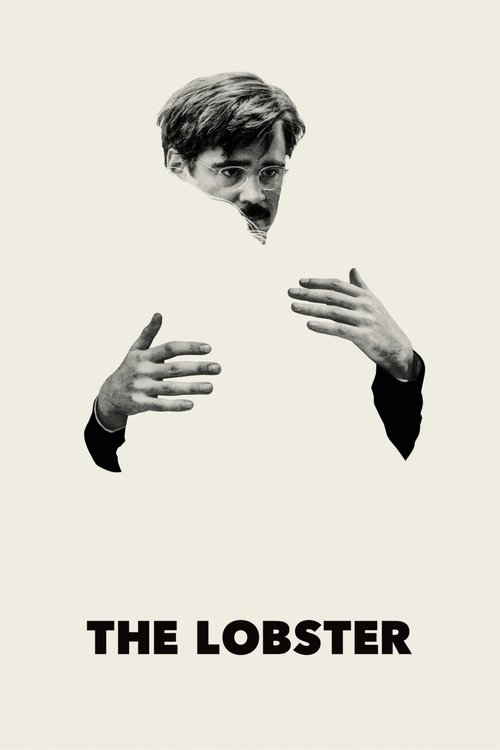


Writer/director Nathalie Biancheri applies that harsh environment to species-dysmorphia, and while it sounds conceptual as it evokes some similarities with Lanthimos’ The Lobster , Wolf fails to cast an impressionable howl.
The film’s core premise — a young man who believes himself to be a wolf undergoes therapy at a clinic — could lend itself to dark humor à la The Lobster (2015).
“Wolf” is dystopian, and in fact, Biancheri’s picture has a “The Lobster” – Yorgos Lanthimos’ sensational and bizarre 2015 dramedy – vibe.
Most viewers will have little trouble recognizing shades of Yorgos Lanthimos in Wolf’s frigid aesthetics and topical absurdism as apparent talking-points in service of the film’s half-satirical, half-dystopian lens, and as far as form is concerned, Biancheri proves remarkably competent at staging disquieting sequences à la Dogtooth or The Lobster (both happily zoocentric in their choice of metaphors).
It’s easy to quickly draw comparisons to Yorgos Lanthimos’ The Lobster (in my opinion one of the best movies ever made).
Greek director Yorgos Lanthimos toyed with some of these ideas in “The Lobster,” but fashioned a suitably surreal parable to accompany them.
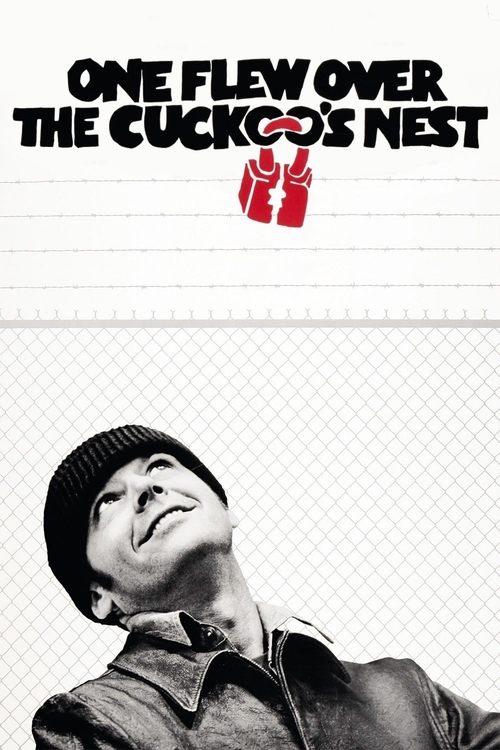
You might think of the picture as having a vibe not unlike “One Flew Over the Cuckoo’s Nest,” but with a distinctly unorthodox added ingredient.
“Wolf” is more cynical, presenting True You as a sadistic prison from which Jakob needs to escape, à la “One Flew Over the Cuckoo’s Nest” or “The Miseducation of Cameron Post.”
And while there are shades of 1975’s “One Flew Over the Cuckoo’s Nest,” Biancheri can’t find a way to balance her initially edgy ideas with horrifying conversion therapy realities.
From a cinematic standpoint, Wolf takes a bit from Milos Forman’s One Flew Over the Cuckoo’s Nest or more recently Yorgos Lanthimos’ The Lobster .
MacKay’s Jakob gets into a classic “One Flew Over the Cuckoo’s Nest” war of wills with the unbending Dr. Mann.
Written and directed by Biancheri, “Wolf,” a surreal narrative exploring identity, is a cross between Yorgos Lanthimos’ “The Lobster” and Miloš Forman’s “One Flew Over the Cuckoo’s Nest.”
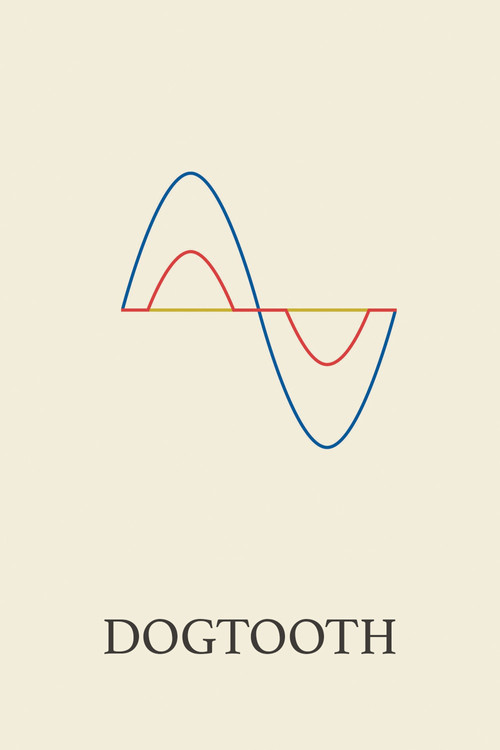
Most viewers will have little trouble recognizing shades of Yorgos Lanthimos in Wolf’s frigid aesthetics and topical absurdism as apparent talking-points in service of the film’s half-satirical, half-dystopian lens, and as far as form is concerned, Biancheri proves remarkably competent at staging disquieting sequences à la Dogtooth or The Lobster (both happily zoocentric in their choice of metaphors).
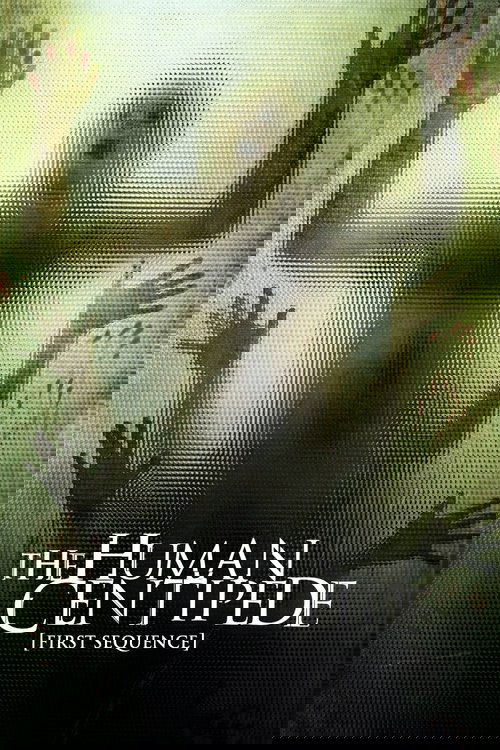
Taboo conceptions of sex, expressed via ascending iterations of medical disorders, became the genre’s modus operandi as the days of video nasties and violent censorship made way for the permissive catharsis of saturation: a contemporaneous viewer of Tom Six’s The Human Centipede, for example, would generally appraise predecessors like Salò or The Evil Dead with academic disinterest or, at most, retrospective curiosity.