

Sound of Metal (2020)
Directed by Darius Marder
Metal drummer Ruben begins to lose his hearing. When a doctor tells him his condition will worsen, he thinks his career and life is over. His girlfriend Lou checks the former addict into a rehab for the deaf hoping it will prevent a relapse and help him adapt to his new life. After being welcomed and accepted just as he is, Ruben must choose between his new normal and the life he once knew.
3 connections found
View:
3 films that influenced Sound of Metal
What critics say influenced Sound of Metal
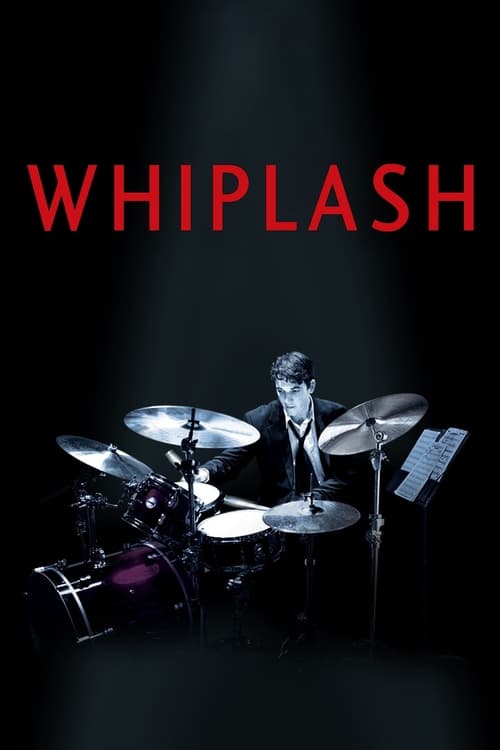


This time, he blends the hungry drummer of Miles Teller in “Whiplash” (2014) and the bruised loner of Mickey Rourke in “The Wrestler” (2008), searching for meaning amid the detached depression of “Why me?”
Early on in the fractured chronology of “We Need to Talk About Kevin,” director/co-writer Lynne Ramsay’s first film since 2002’s “Morvern Callar,” Eva arrives at Kevin’s school to see flashing police lights and screaming kids and their parents.
Ramsay’s a Scottish-born director who made two striking films a decade ago, 1999’s “Ratcatcher’’ and 2002’s “Morvern Callar.’’
The long overdue third feature from Scottish director and festival-validated auteur Lynne Ramsey (her second, "Morvern Callar," was released in 2002), "We Need to Talk About Kevin" resists easy interpretation, starting with its title: We assume the imperative is directed from wife (Swinton) to husband (John C. Reilly), when in fact it represents the voice of Ramsey, addressing all of us.
Ramsay (Morvern Callar) shatters the linear nature of her narrative to mirror the all-consuming grief and confusion of Swinton's Eva, a fortysomething mother who, it is implied, came to motherhood somewhat reluctantly after a youth spent writing for travel magazines and hopping around the globe in that pursuit.
Scottish writer/director Lynne Ramsey has been acclaimed for her desolate, visually stylized, European-art house sensibility, as demonstrated in “Ratcatcher” and “Morvern Callar,” as she makes repeated use of the color red, not only in the opening tomato-throwing festival sequence in Spain but also in the paint that neighborhood vandals throw on Eva’s house and the soup cans Eva hides behind in the grocery store.
You Were Never Really Here is a fourth feature from Lynne Ramsay (Ratcatcher, Morvern Callar, We Need to Talk About Kevin) and the first thing to say is that it is exceptionally violent.
As she has in her previous films, “Ratcatcher” (1999), “Morvern Callar” (2002), and “We Need to Talk About Kevin” (2011) — the only one where the approach felt arch and overdone — Ramsay uses pop songs new and old along with broodingly lyrical original music to bring us further into a dangerous enchanted land.
Joe is the agonized center of "You Were Never Really Here," directed by Lynne Ramsay ("Ratcatcher," " Morvern Callar ," "We Need To Talk About Kevin").
In the majestically economical yet brutally poetic life-grasping death trip “You Were Never Really Here,” the fourth feature by Lynne Ramsay (“Ratcatcher,” “Morvern Callar”), a masterpiece that some reviewers have tried to set ablaze and burn to the ground in their own words, the Scottish filmmaker finds a pulse that is not radial, carotid or femoral, but figuratively cranial.
‘Final Destination’ meets the art world, with a batty performance from Gyllenhaal at the helm in ‘Velvet Buzzsaw,’ which heads to Netflix this Friday.
It is a bright, vividly colored slice of gore, a pop art riff on “ Final Destination ” with bright red flames, blood, and paint.
Velvet Buzzsaw es un hilarante e impredecible relato que combina elementos de la película nominada al premio Oscar The Square con la franquicia de terror Final Destination .
With the horror elements, what you see is pretty much what you get; most of the Final Destination-esque death scenes aren’t particularly imaginative or shot with much flair – surprising given DP Robert Elswit’s involvement – and mostly feel like they belong in, well, a Final Destination film.
The tension between art and commerce is as old as the Renaissance, so the anthropomorphized, bloodthirsty paintings and installations have only slightly more subtext than the Final Destination series.
At the same time, the film never leans into the goofiness of its situations as much as it could and ends up feeling a bit like a pretentious Final Destination for it.
‘Final Destination’ meets the art world, with a batty performance from Gyllenhaal at the helm in ‘Velvet Buzzsaw,’ which heads to Netflix this Friday.
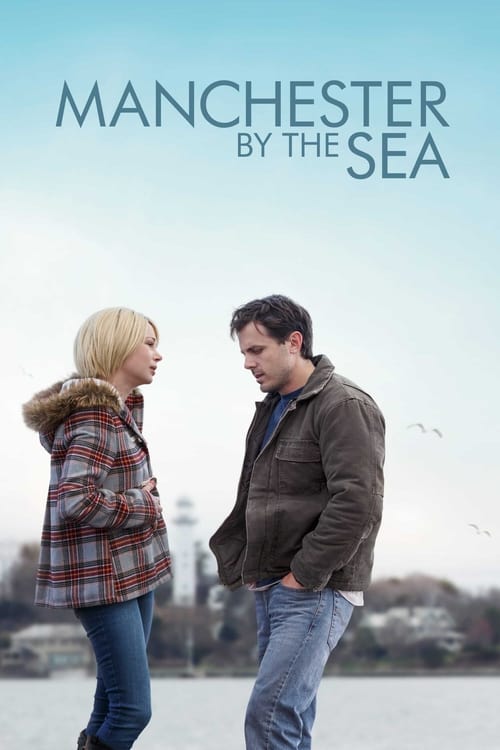
The film was shot mostly here, on the North Shore, and has that same somber, gritty texture that “Manchester by the Sea” (2016) registered.
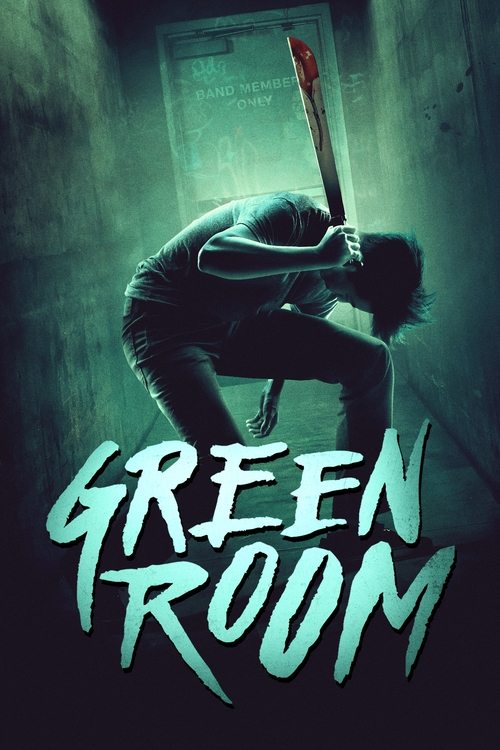
In terms of realism, Sound Of Metal is the best depiction of touring life since Green Room , portraying the movie’s metalheads as laid-back jokesters in threadbare T-shirts whose intensity mostly manifests on stage.