
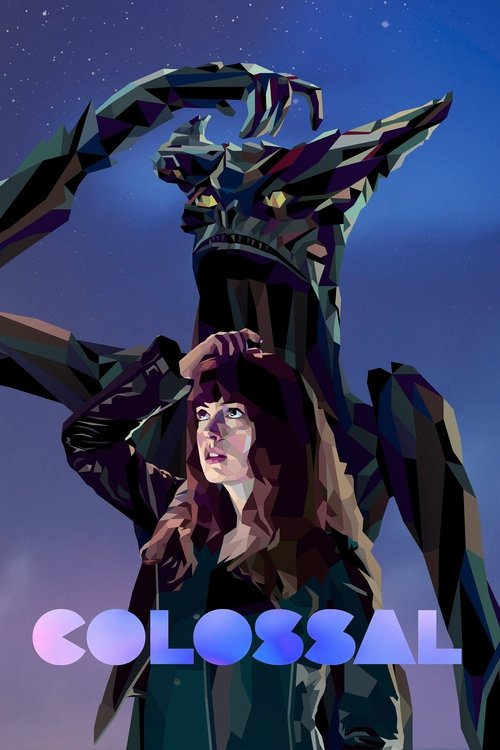
Colossal (2017)
Directed by Nacho Vigalondo
A woman discovers that severe catastrophic events are somehow connected to the mental breakdown from which she's suffering.
5 connections found
View:
5 films that influenced Colossal
What critics say influenced Colossal


BOTTOM LINE “Garden State” meets “Godzilla” in this highly original indie-kaiju comedy.
It’s as if Garden State (2004) became a special effects movie.
With a few trims the film could be entirely different and blandly realistic — messed-up protagonist returns to hometown for a bittersweet spiritual cleanse; we've seen a few indies along those lines, for sure, even if you don't include "Garden State."
That sounds like one sort of picture, yet another dour variation on the “Garden State”/ “Return of the Secaucus Seven” nostalgia model.
(It’ll also disappoint people exclusively turning out for the former; it’s deployed more for its metaphorical value than as a way into Pacific Rim territory.)
Needless to say, there’s a lot more happening on the human level here than anything found in “Pacific Rim.”
Colossal is way more clever and fun than Pacific Rim with far fewer visual effects shots.
This isn't a monster movie, not even a distant cousin of Cloverfield or Pacific Rim.
Well, this isn’t “Pacific Rim,” but there are some pretty cool monsters and they do a lot of damage.
Gillespie worked in the art department (on films such as “The Suicide Squad” and “Pacific Rim”) and Kostanski in makeup special effects (on “The Suicide Squad” and “Crimson Peak”).
Frank starts as a cipher, and stays one, but Dr. Kay is a god complex embodied, a woman who does her own defying of expectations, and also a cross between Dieter Laser in The Human Centipede and Alec Baldwin in Malice.
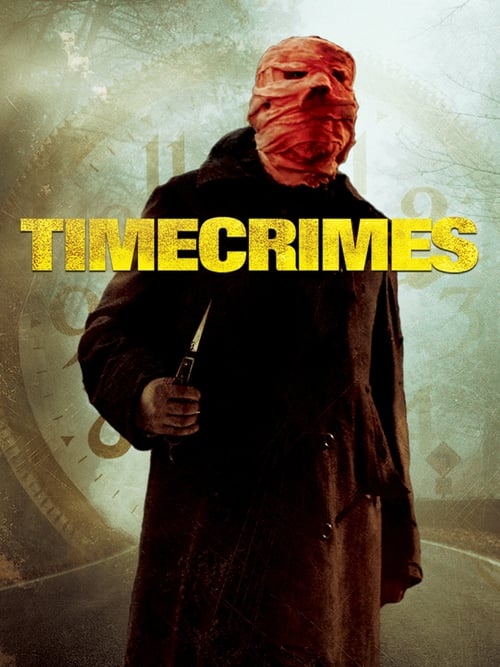
Timecrimes and Extraterrestrial effectively let their leads resonate beyond the larger ordeal because there isn’t a huge overlap, but with Colossal there is.
Vigalondo can look at a genre subtype sideways, like time travel (Timecrimes) or an alien invasion (Extraterrestrial), and come up with genuinely unique, and often times hilarious, takes on very familiar tropes.
Spaniard Nacho Vigalondo ’s first two features, “Timecrimes” and “Extaterrestrial,” were notable for ingeniously containing fantastical concepts within very small-scale, low-budget-friendly narrative limits.
Mr. Vigolando, whom indie fans will remember from films like Timecrimes, Extraterrestrial, and Open Windows, seems to derive confidence from strangeness, which allows even the wackier moments in Colossal to generate some unexpected emotional responses.
The peculiar genre-twisting set-up for “Colossal” should come as no surprise to anyone familiar with the work of Spanish director Nacho Vigalondo, whose brilliant “Timecrimes” delivered one of the best time travel plots of all time, with only a handful of characters orbiting an increasingly convoluted timeline; similarly, Vigalondo’s “Extraterrestrial” turned an alien invasion story into a minimalist romcom between a handful of survivors holed up in their apartment.
It’s a question that director Nacho Vigalondo (“Timecrimes,” “Open Windows”) explores both literally and figuratively in “Colossal,” a monster movie that truly defies any preconceived notions of that description.
Advertisement
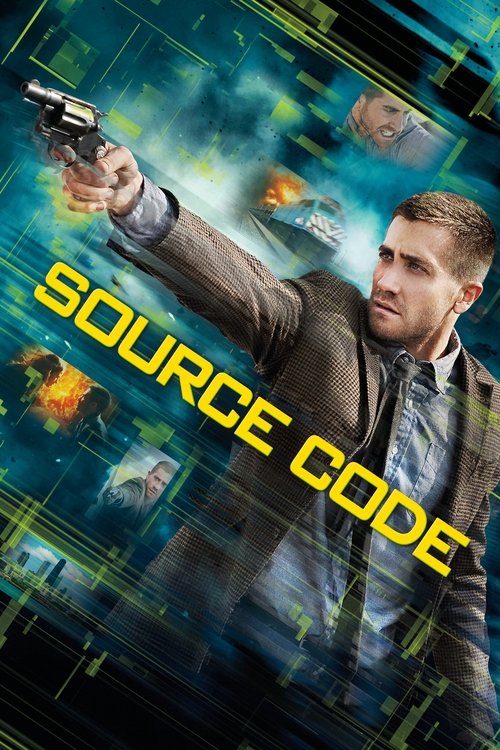
Duncan Jones, after all, found a way to work the iconoclastic, hard sci-fi spirit of Moon into his first wide-release film, Source Code, before being hamstrung by studio demands in the would-be blockbuster trappings of Warcraft.