
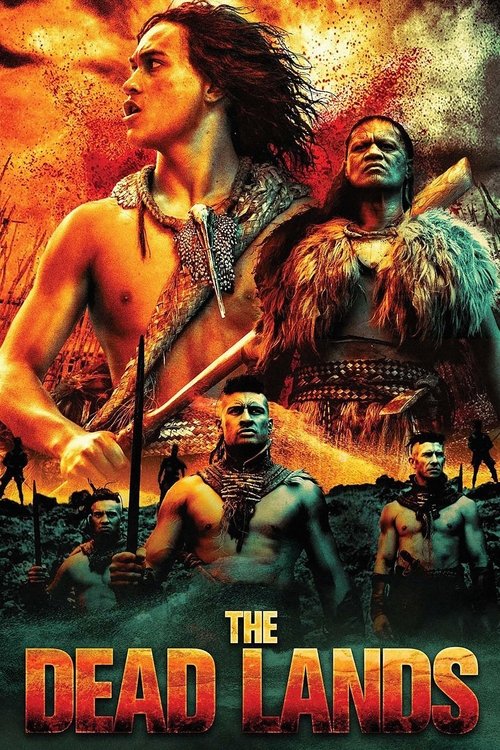
The Dead Lands (2014)
Directed by Toa Fraser
Hongi, a Maori chieftain’s teenage son, must avenge his father’s murder in order to bring peace and honour to the souls of his loved ones after his tribe is slaughtered through an act of treachery. Vastly outnumbered by a band of villains led by Wirepa, Hongi’s only hope is to pass through the feared and forbidden “Dead Lands” and forge an uneasy alliance with a mysterious warrior, a ruthless fighter who has ruled the area for years.
1 connection found
View:
1 connections, in both directions
What critics compared The Dead Lands to
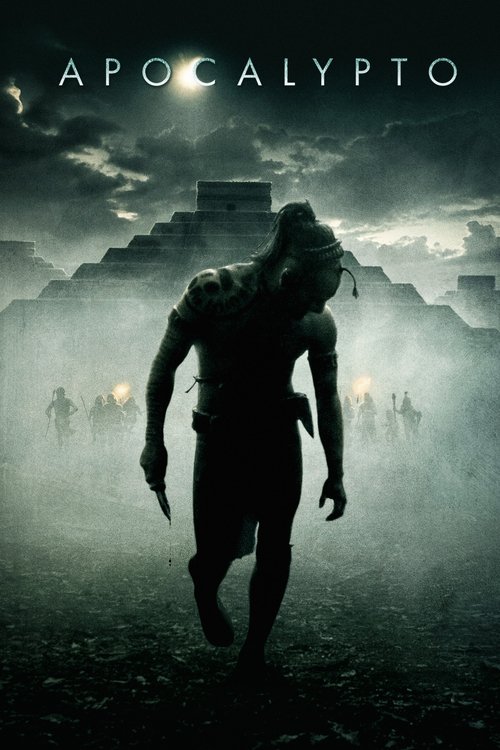


Unlike Mel Gibson’s 2006 indigenous drama Apocalypto, which was set during the collapse of the Mayan civilization in Mesoamerica, Dead Lands avoids historical inaccuracy by unfolding in some distant, pre-colonial time.
Toa Fraser's Maori thriller The Dead Lands is a solid entry in the loose subgenre we might call the "ethnographic action film" — earlier examples of which include Mel Gibson's Apocalypto or Zacarias Kunuk's Atanarjuat; The Fast Runner or Kevin Reynolds's Rapa Nui.
Although Fraser has previously explored 19th century Māori conflict as co-writer of Vincent Ward’s River Queen (2005), The Dead Lands, in a similar vein to Mel Gibson’s Mayan adventure Apocalypto (2006), is filmed entirely in the Māori language, intending to underpin an air of pre-colonial authenticity and purity to the filmmaking process amidst the hyper-masculinity and kinetic energy of the primeval, action-adventure genre.
Set in the distant past, and performed entirely in Maori, The Dead Lands plays like an Antipodean Apocalypto – all fleeing figures lost in gorgeous landscapes.
It’s reasonable to assume that Fraser and screenwriter Glenn Standring paid attention to Mel Gibson’s “Apocalypto” – one of the weirdest works in movie history, made by one of the weirdest people in movie history.
Like a Kiwi cousin to Mel Gibson's historical indigenous spectacle Apocalypto, director Toa Fraser's feral action epic drops viewers into the warring rivalries of Maori tribes (subtitled for your pleasure) in some indiscriminate, pre-colonial New Zealand.