

Sully (2016)
Directed by Clint Eastwood
On 15 January 2009, the world witnessed the 'Miracle on the Hudson' when Captain 'Sully' Sullenberger glided his disabled plane onto the Hudson River, saving the lives of all 155 souls aboard. However, even as Sully was being heralded by the public and the media for his unprecedented feat of aviation skill, an investigation was unfolding that threatened to destroy his reputation and career.
22 connections found
View:
22 films that influenced Sully
What critics say influenced Sully
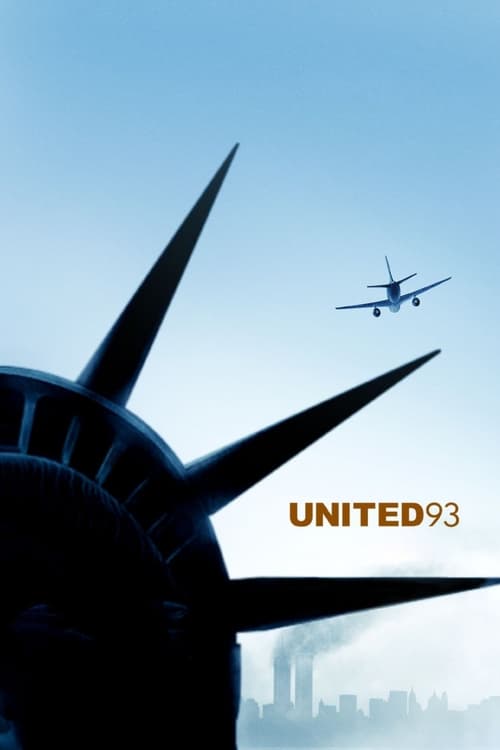


The movie “Sully” reminded me the most of was another true-life airline drama “United 93,” which chronicled the doomed flight that crashed in Pennsylvania field on Sept. 11, 2001.
So while the crash landing sequence will grip audiences, it doesn’t have the stamina to match other plane-drama films such as Paul Greengrass’s United 93 (still a masterpiece).
Even Paul Greengrass in his now forgotten United 93 (about the 9/11 hijacking of the plane that, headed for the Pentagon, crashed in Shanksville, Pa.) trivialized the experience in a hackneyed pretense of commemoration.
(It is in some ways the mirror image of Paul Greengrass’s heartfelt, harrowing United 93 .)
Eastwood wants to sensationalize the event by depicting Sully as something of a guilt ridden everyman, while also anxiously trying to film every event with a stark reality in the vein of “United 93.”
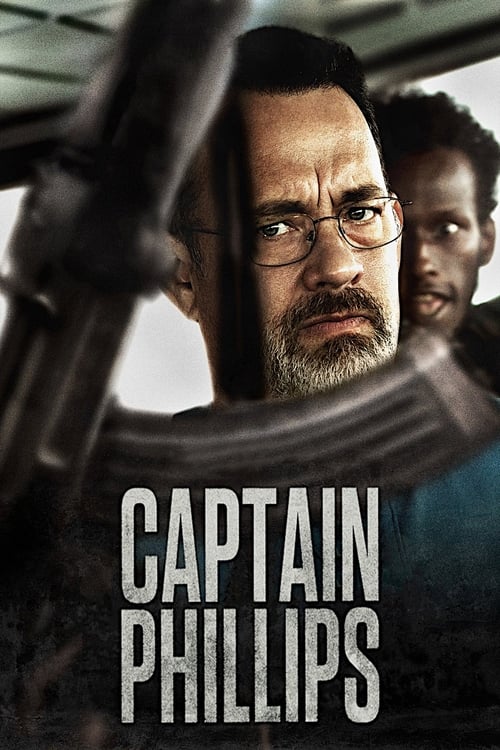
The movie is called Sully, not The First Responders, however, and Hanks, trim, mustachioed, and silver-haired, is very much the solemn center, called on again to embody a bent-back stiff-upper-lip professionalism as he has in Paul Greengrass’s Captain Phillips and, most recently, Steven Spielberg’s Bridge of Spies.
Hell, he just did it three years ago in Captain Phillips, another honorific, but one that at least had the guts to let his good captain cry.
Tom Hanks has been on quite a run as of late – he’s the only actor with two Oscars I’d consider calling underrated – and Sully can be seen as the third part of a loose trilogy alongside Captain Phillips and Bridge Of Spies, in which prickly everymen rise to nearly impossible occasions.
Hanks’ white-haired Sully completes a remarkable triptych of real-life heroes calmly facing a crisis and their own fears — the other two being the Cold War negotiator in “Bridge of Spies” and the hijacked container ship skipper in “Captain Phillips.”
He's gone to World War II and back, he's flown into space as commander of Apollo 13 , he's been cast away on an island in the Pacific and he's been hijacked by pirates as captain of a cargo ship off the coast of Somalia in Captain Phillips .
Hanks, just three years removed from “Captain Phillips,” brings the honor and nobility that only he can to Sullenberger, and in a better movie would be worthy of awards consideration.

This results in some tense and sleepless nights for Sully but, dramatically speaking, the story is the inverse of that of the 2012 aviation drama Flight, in which Denzel Washington's pilot may have saved the day but had some personal issues eminently worthy of the inquiry board's attention.
This isn’t Flight, the Robert Zemeckis film in which Denzel Washington played a self-sabotaging top-notch commercial pilot who, after landing a plane in scarier circumstances than Sully faced, turns out to be concealing a chronic alcohol and drug problem.
“Sully” recalls 2012’s fictional drama “Flight,” which is like the dark, nightmare version of Sullenberger’s incident.
The unsettling dream sequence is strangely less exciting than such airline-disaster openings as those in “Flight” and “Alive.”
This isn’t Flight, after all.
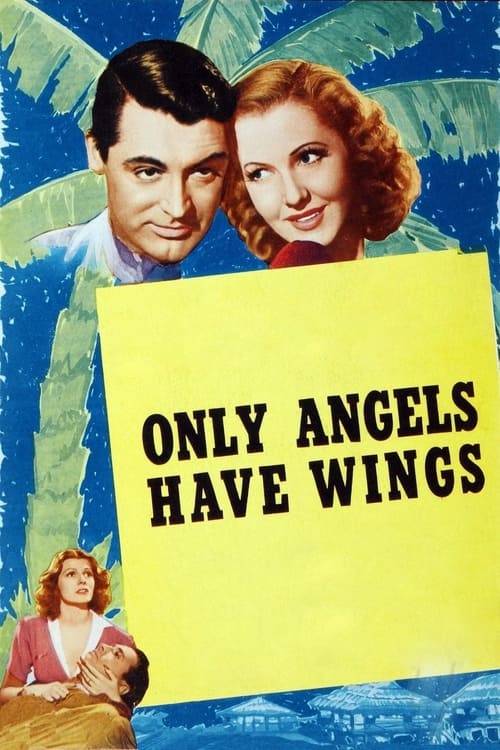
Sully is foremost about control, harkening back to Howard Hawks films like Only Angels Have Wings in its exploration and admiration of the complexities of duty.
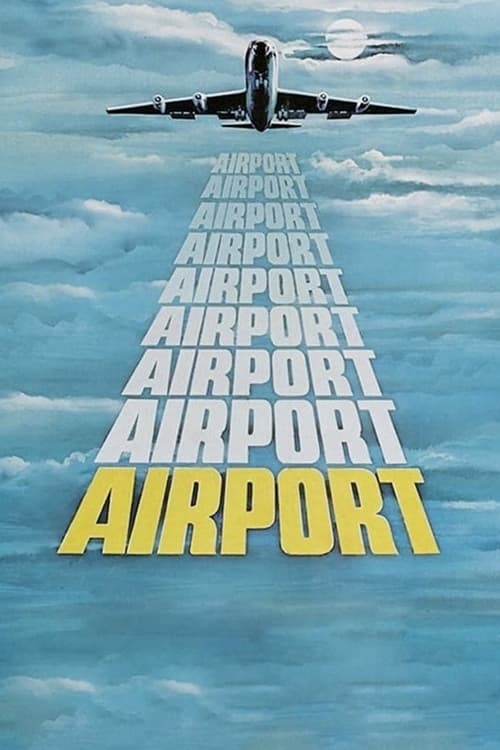
A movie about the emergency landing of a US Airways passenger jet on New York’s Hudson River by pilot Chesley Sullenberger in 2009 could have been merely banal, like a fact-based, action-oriented remake of those 1970s Airport disaster movies.
Advertisement
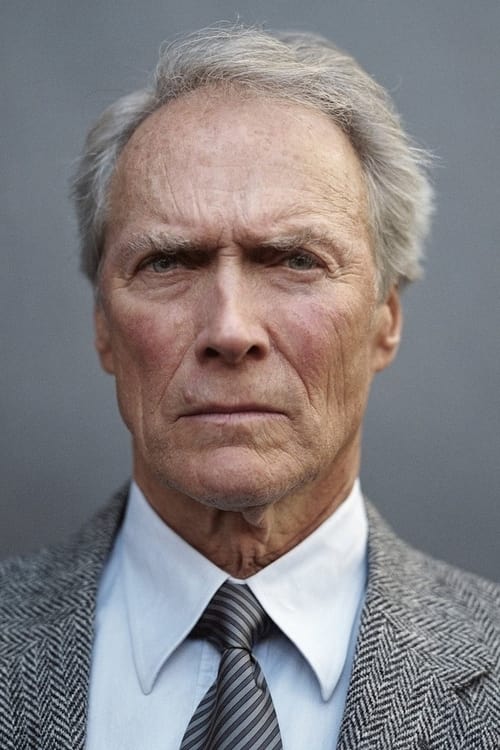
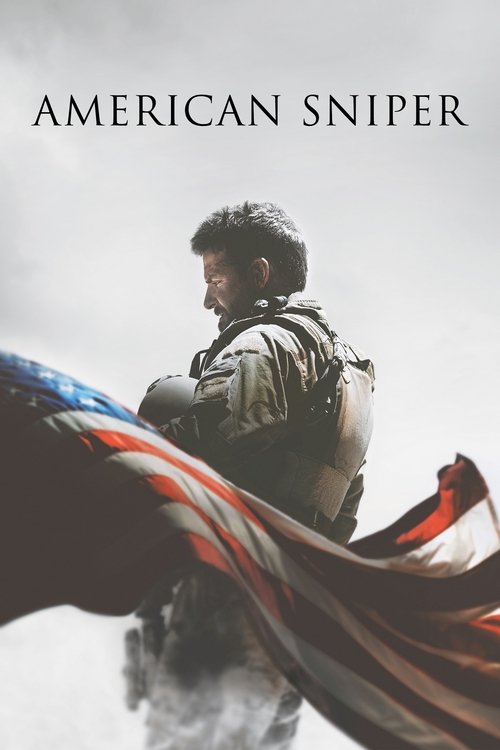
While only a dream sequence, “Sully’s” opening feels less like a stunt from a director who alternates between sober, seemingly timeless portraits of exceptional personalities (“American Sniper,” “Million Dollar Baby”), and corny, cardboard melodramas too old-fashioned in their approach (“Jersey Boys,” “Changeling”), occasionally landing somewhere in the middle (à la “Flags of Our Fathers”).
The second smash-cut flashback, in which the sight of a military plane on the Intrepid Air and Space Museum wrenches Sully thirty years back in time, recalls the use of a similar technique in Eastwood’s American Sniper—another portrait of a designated national hero who has to struggle through PTSD symptoms, adapted from the subject’s self-penned book.
One need only look as far back as Million Dollar Baby, Gran Torino, and American Sniper to realize that a strong sense of honesty and responsibility almost always forms the foundation of his lead characters.
Indeed, the 86-year old director seems invested and energized by this material (based on Sullenberger's memoir), maybe even more so than 2014's American Sniper.
When not being trotted out for media appearances or questioned by the National Transportation Safety Board, Sully’s stewing in his own self-doubt and the film follows in the footsteps of Eastwood’s American Sniper as the story of a public hero’s private PTSD.
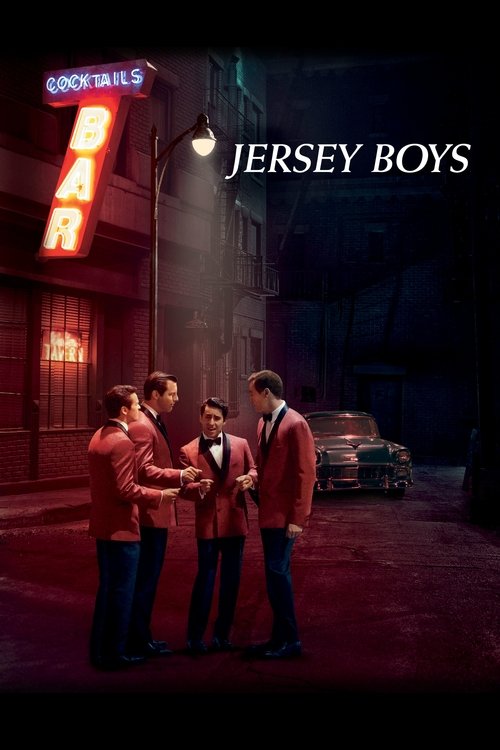
While only a dream sequence, “Sully’s” opening feels less like a stunt from a director who alternates between sober, seemingly timeless portraits of exceptional personalities (“American Sniper,” “Million Dollar Baby”), and corny, cardboard melodramas too old-fashioned in their approach (“Jersey Boys,” “Changeling”), occasionally landing somewhere in the middle (à la “Flags of Our Fathers”).
Sully fits nicely alongside Eastwood’s recent run of films showing the process whereby images and narratives of heroism and romantic longing are manufactured and marketed, something which runs through such otherwise disparate works as Flags, Invictus, J. Edgar, and Jersey Boys—though the same preoccupation can be found functioning much further back in Eastwood’s corpus, in titles like White Hunter Black Heart, Bronco Billy, or even directorial debut Play Misty for Me, a thriller set into motion by a woman’s inability to separate a nighttime DJ’s smooth line of on-air bullshit from the flesh-and-blood man.
Like his previous lackluster effort, Jersey Boys, Eastwood fails to capture the spirit that undoubtedly inspired his interest in the project.
Clint Eastwood (four-time Oscar-winner and all-round US national treasure) directed, co-produced and wrote and performed the main musical theme for this true tale shortly after completing American Sniper and Jersey Boys, and that’s quite an achievement, given that he recently turned 86, an age when many of us would have trouble getting to the movies, let alone actually making one (or three).
When he directed Jersey Boys (2014), it was a surprise.
Director Clint Eastwood is interested in how characters, particularly men, cope with celebrity or notoriety and their shadow of their own defining deeds; the closest parallel is Flags of Our Fathers , but similar thematic material can be found in Unforgiven, Gran Torino, American Sniper and even Jersey Boys.
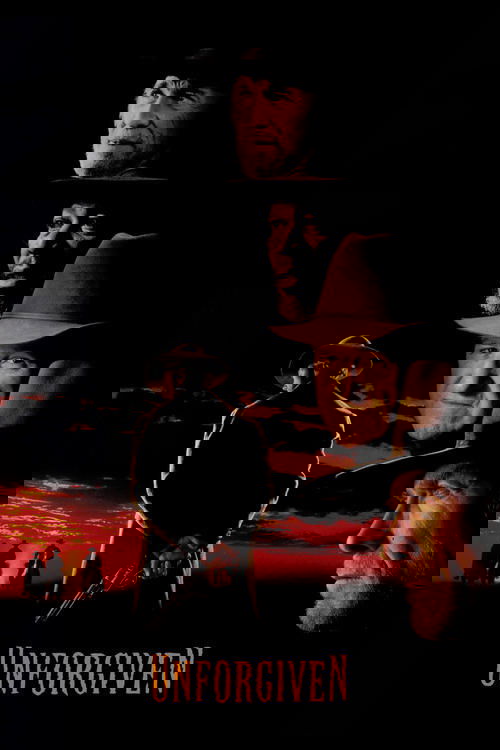
But it’s the myth of that hero he’s spent his career exploring: In Unforgiven , Flags of Our Fathers , and American Sniper , to name just a few of the many films he’s devoted to the subject, Eastwood has catalogued our country’s obsession with creating and then destroying (or being destroyed by) idealized figures of masculine prowess.
Eastwood delivered “Unforgiven” just when we were ready to deconstruct the western genre.
The psychological approach made Unforgiven (1992) a classic.
Director Clint Eastwood is interested in how characters, particularly men, cope with celebrity or notoriety and their shadow of their own defining deeds; the closest parallel is Flags of Our Fathers , but similar thematic material can be found in Unforgiven, Gran Torino, American Sniper and even Jersey Boys.
The two-time Oscar-winning director may have launched his career on the backs of amoral antiheroes, but ever since the turning point of Unforgiven in 1992, he’s aged into Hollywood’s resident hagiographer with such films as Flags of Our Fathers and American Sniper.
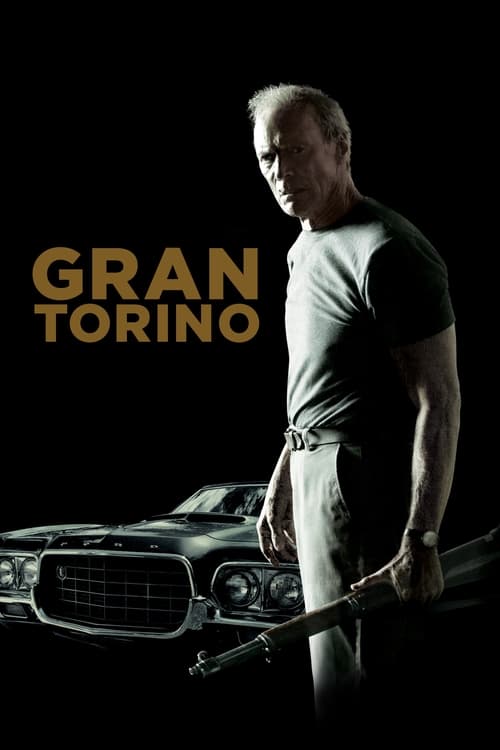
(Worth noting that he also runs past a poster for Gran Torino, its star looming larger-than-life over the real hero’s head.)
Its fitting that Eastwood sneaks in a visual gag of his film Gran Torino (2008) because it too dramatised a man’s choice to be heroic.
Protagonists such as “American Sniper” Chris Kyle and “Gran Torino” oldster Walt Kowalski represent bedrock values that Eastwood clearly supports and would perhaps like to see more of in the the world.
These things all serve Eastwood admirably when he tackles the theme of stoic heroism, from the underrated Gran Torino to American Sniper, the highest-grossing war movie of all time, and now the excellent Sully, starring Tom Hanks as pilot Chesley "Sully" Sullenberger, who landed US Airways Flight 1549 on the Hudson River without the loss of a single life on Jan. 15, 2009.
In between, Sully goes for runs under the glitzy advertisements hovering over Times Square — one for Stella Artois; another, hilariously and jarringly, for Eastwood's own Gran Torino, which came out in theaters in December 2008.
Director Clint Eastwood is interested in how characters, particularly men, cope with celebrity or notoriety and their shadow of their own defining deeds; the closest parallel is Flags of Our Fathers , but similar thematic material can be found in Unforgiven, Gran Torino, American Sniper and even Jersey Boys.
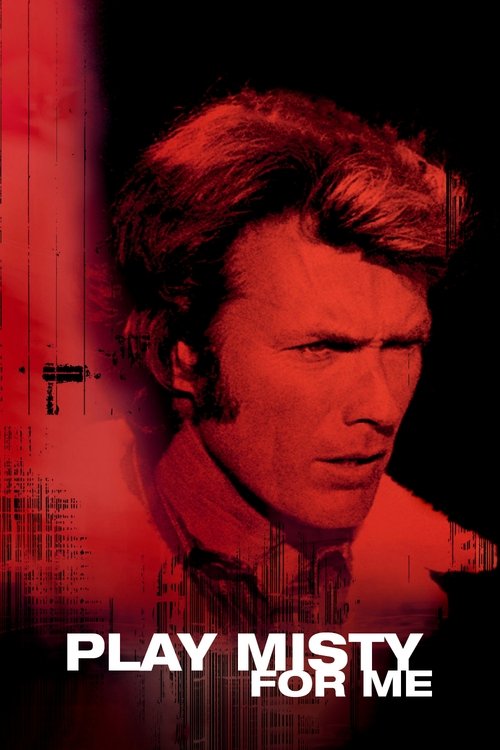
Sully fits nicely alongside Eastwood’s recent run of films showing the process whereby images and narratives of heroism and romantic longing are manufactured and marketed, something which runs through such otherwise disparate works as Flags, Invictus, J. Edgar, and Jersey Boys—though the same preoccupation can be found functioning much further back in Eastwood’s corpus, in titles like White Hunter Black Heart, Bronco Billy, or even directorial debut Play Misty for Me, a thriller set into motion by a woman’s inability to separate a nighttime DJ’s smooth line of on-air bullshit from the flesh-and-blood man.
Those stories, known as Mystic River, Unforgiven, Play Misty for Me, Bird, and Million Dollar Baby are when Eastwood is most memorable as a filmmaker.
The first film he directed was Play Misty for Me (1971), and you can sense psychological stress on his characters through his many films.
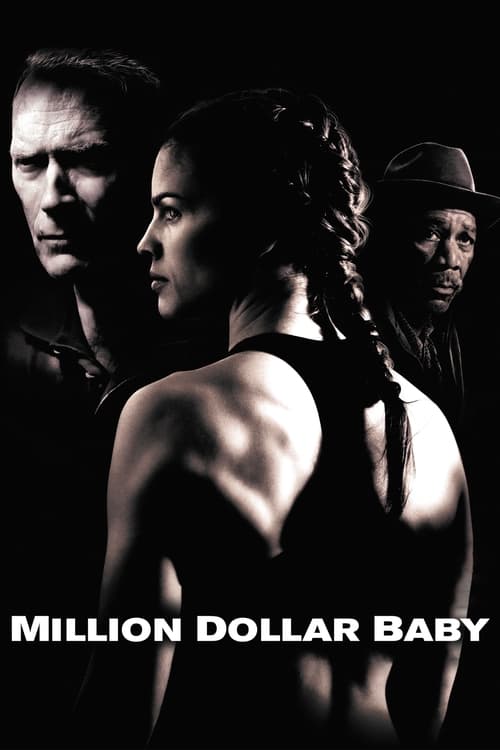
While only a dream sequence, “Sully’s” opening feels less like a stunt from a director who alternates between sober, seemingly timeless portraits of exceptional personalities (“American Sniper,” “Million Dollar Baby”), and corny, cardboard melodramas too old-fashioned in their approach (“Jersey Boys,” “Changeling”), occasionally landing somewhere in the middle (à la “Flags of Our Fathers”).
Like his masterful “A Perfect World,” “Million Dollar Baby” and other films, “Sully” highlights the director’s distrust of technology, instead championing training, knowledge and instinct.
“Million Dollar Baby” and “Invictus” were two such inwardly wound gems, and Eastwood’s latest, “Sully,” marks another fully palpable portrait of human determination that’s more interested in the human condition and compassion than heroics.
Those stories, known as Mystic River, Unforgiven, Play Misty for Me, Bird, and Million Dollar Baby are when Eastwood is most memorable as a filmmaker.
And he directed and starred in a film about boxing - female boxing, Million Dollar Baby (2004).
But Sully is the central (and most compelling) figure in this plainspoken and disarmingly delicate conception of heroics, which might be Eastwood’s best work since Million Dollar Baby .
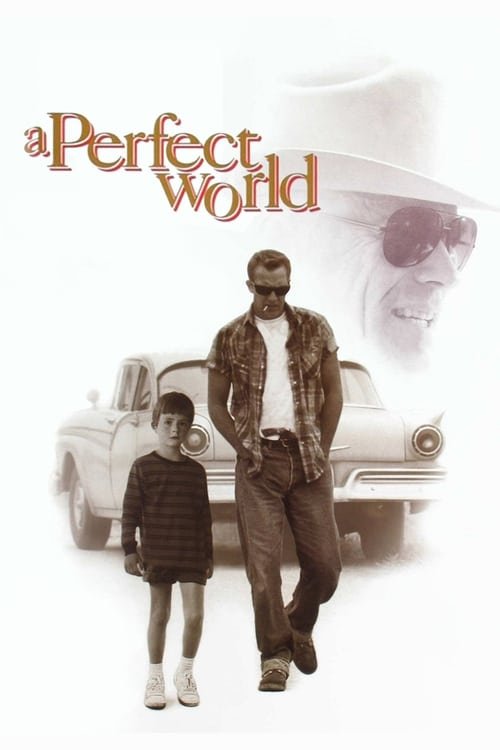
He made a no-kidding American masterpiece with A Perfect World.
Like his masterful “A Perfect World,” “Million Dollar Baby” and other films, “Sully” highlights the director’s distrust of technology, instead championing training, knowledge and instinct.
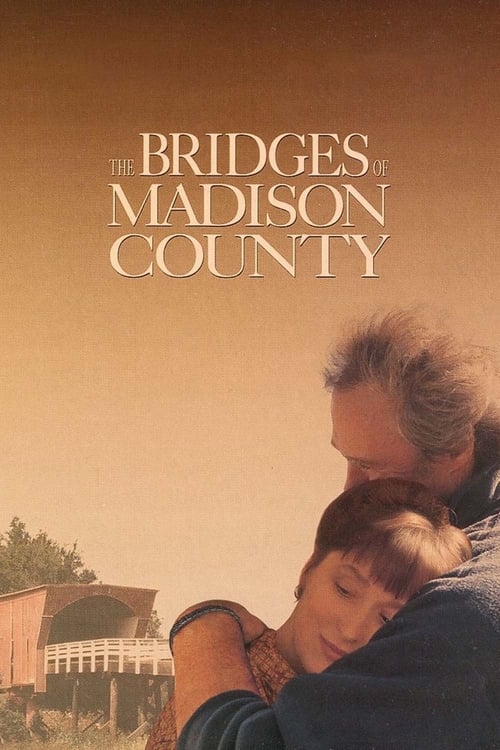
Eastwood surprised us by directing and starring in The Bridges of Madison County (1995) with Meryl Streep.
In his career as a filmmaker, Clint Eastwood has done it all – taken on the war epic (“Flags of Our Fathers” and “Letters from Iwo Jima”), rebranded his Western roots (“Unforgiven” and “Pale Rider”), roiled in the tough cop genre (“Sudden Impact” and “The Gauntlet”) and even dipped his toe in chick-flick territory (“The Bridges of Madison County”).
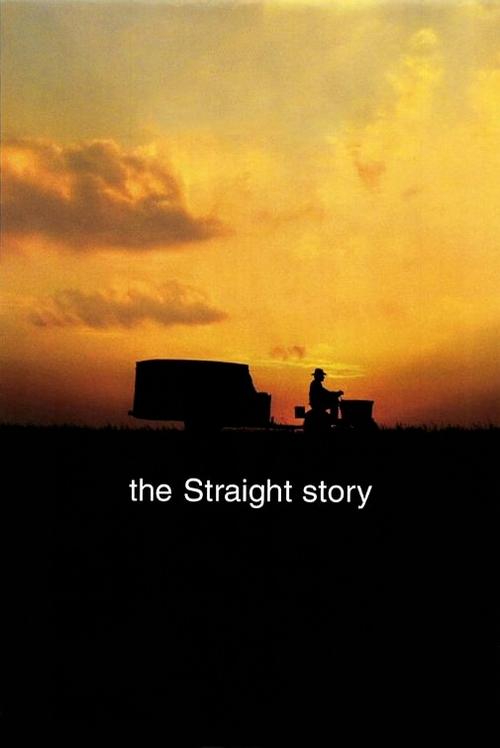
To see an example of what I’m suggesting, revisit David Lynch’s film The Straight Story: Notice how the film’s most disturbing moment comes when a Vietnam veteran (played so beautifully by Richard Farnsworth) suffers a flashback, and all we see is a haunted man staring into a void that only he can see.
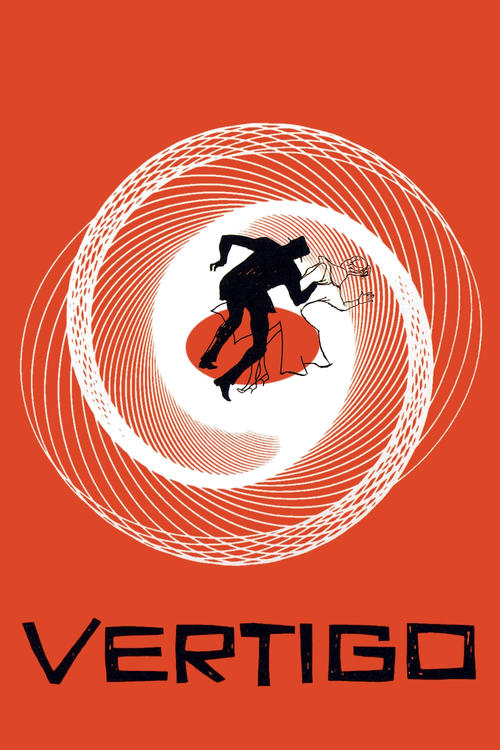
Hanks is demonstrably better than this material: if only he had a Hitchcock around so Hanks could make his Vertigo instead of a dutiful product that plays like a 1980s TV “Movie of the Week” somehow elevated to A-list Oscar bait (and shot almost entirely with Digital IMAX cameras).
It's not that Eastwood is going all Tarantino on us (like "Pulp Fiction"), but there is some jumping around in time.
Advertisement
This is the most affecting portrait of Americans at work since Oliver Stone’s World Trade Center.
A sort of reversal of “The Man Who Shot Liberty Valance” (this time, an investigation determines the story’s central heroic feat to be fact rather than “legend"), the movie — scripted by Todd Komarnicki — tells us that Sully has been flying for 42 years, which is roughly how long Eastwood has been directing.