
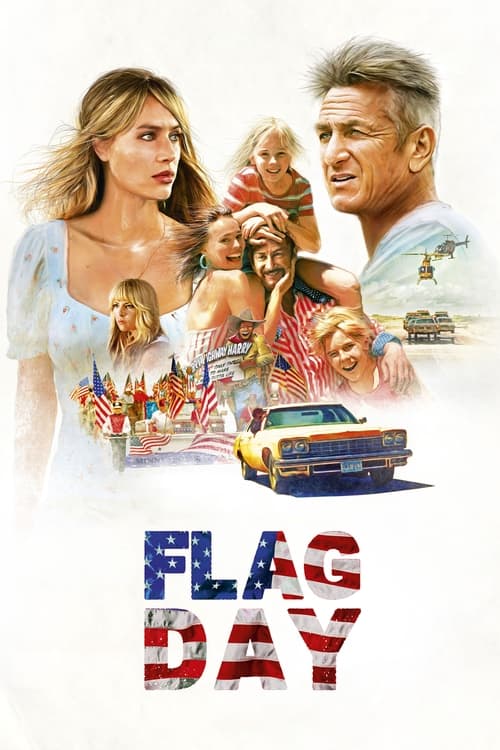
Flag Day (2021)
Directed by Sean Penn
A father lives a double life as a counterfeiter, bank robber and con man in order to provide for his daughter.
2 connections found
View:
2 connections, in both directions
What critics compared Flag Day to
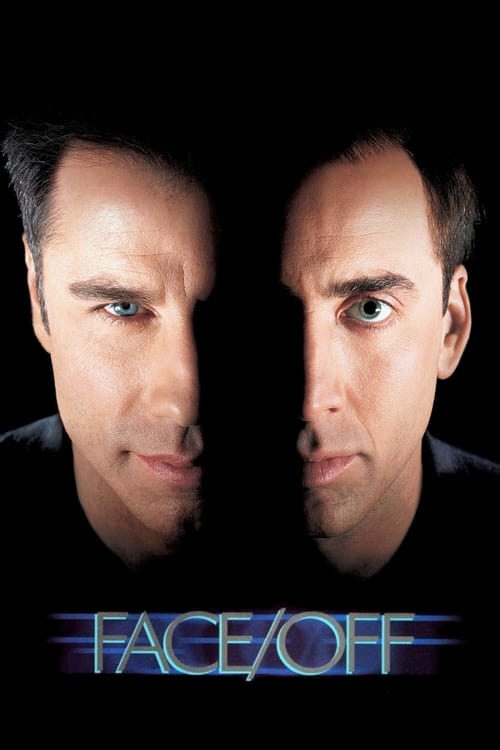


Her angsty teen period is denoted by that old staple: the “goth” phase, like John Travolta’s daughter in Face/Off , about as ’90s a film as you can get.
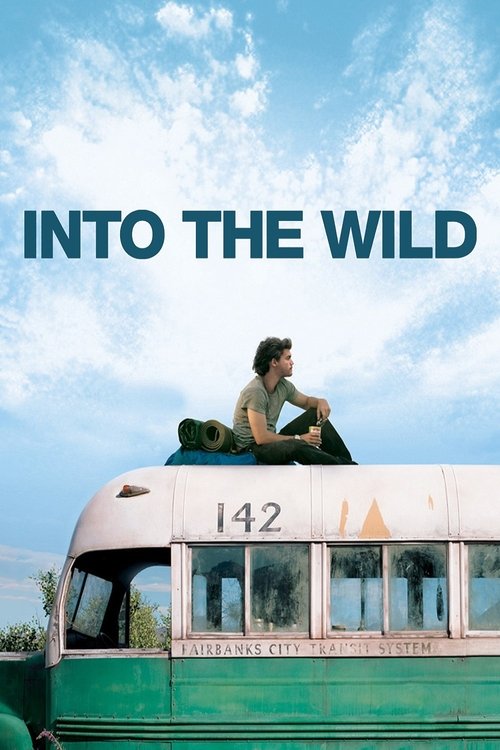
Sean Penn’s directing career has followed an erratic trajectory, channeling raw feeling in his 1991 debut The Indian Runner , peaking with the ruminative 2007 survival drama Into the Wild and taking a nosedive with 2016’s tone-deaf The Last Face , which used a backdrop of human rights violations in Africa to spin a tortured romance between beautiful Westerners.
Malick seems to be a reference for Penn here, both Days of Heaven and Tree of Life come to mind (the latter in which he ‘appeared’ in), but he also curiously recycled himself in an Into the Wild homeless/flop house montage which could have easily been excised considering the dependence on visual cliches.
I think that changed when Penn made “Into the Wild” (2007), a film as dark as any other film in his desolation row (it was about a young man withdrawing from the world — mind, body, and soul), but it was directed with an open-eyed adventure and skill that turned it enthralling.
Suddenly face-to-face with the gulf between her father’s narcissistic self-image and the reality before her, she goes Into the Wild for a while, rebelling, doing some drugs, hitching around until she finds her salvation in journalism at which point her father tries to re-enter her life.
With his fourth film in competition at Cannes (following 1991’s The Indian Runner, 2001’s The Pledge, and 2016’s Last Face) this is a return to the power behind the camera he has exhibited often in films that also include 2007’s terrific Into The Wild, and another Jack Nicholson starrer, The Crossing Guard (1995).
Cannes: Penn's first directing effort since "The Last Face" brings him back to "Into the Wild" turf.