
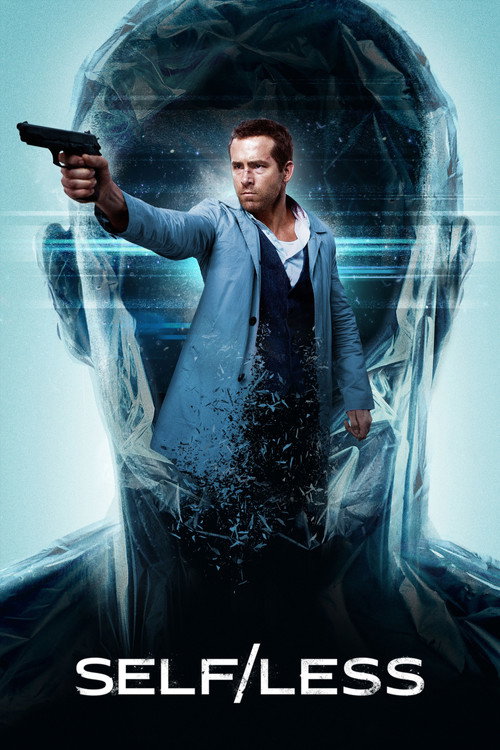
Self/less (2015)
Directed by Tarsem Singh
An extremely wealthy elderly man dying from cancer undergoes a radical medical procedure that transfers his consciousness to the body of a healthy young man but everything may not be as good as it seems when he starts to uncover the mystery of the body's origins and the secret organization that will kill to keep its secrets.
10 connections found
View:
10 films that influenced Self/less
What critics say influenced Self/less
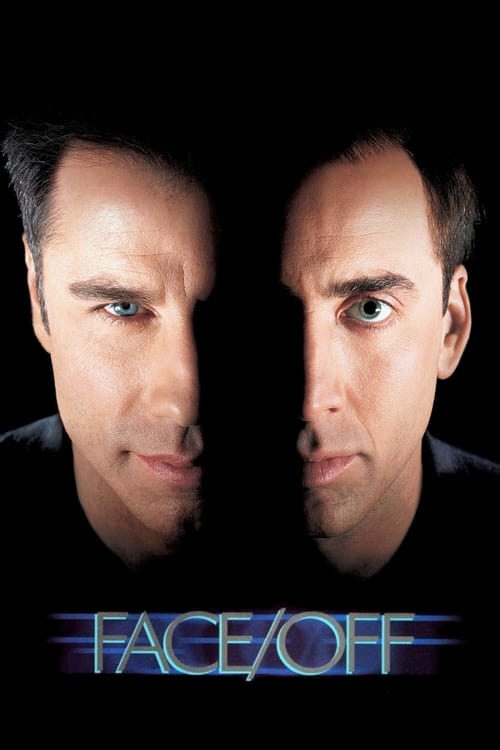


Even the similarly themed (and equally redundant in its slash-mark use) "Face/Off," in which John Travolta and Nicolas Cage swapped mugs for director John Woo, had a sly self-awareness about its own glorious absurdity.
Recycling riffs from John Frankenheimer’s superior 1966 thriller Seconds (which in turn inspired Face/Off ), Tarsem Singh’s dopey romp signally fails to mine the identity-swap promise of its premise.
At times, so does the far more ridiculous "Face/Off" (due equally to the whole central switcheroo concept as well as that annoying, awkward slash in the title).
As in “Face/Off,” “All of Me,” “18 Again” and other body- or image-switching flicks, the charade comes with a wink and a nod.
Movies like “ Face/Off ” are enjoyably ridiculous in large part due to the fact that Nicolas Cage , John Travolta and John Woo KNEW they were ridiculous, laughing and winking at the audience throughout.
It’s not even the best Ryan Reynolds body-swap movie (that would be half-baked comedy “The Change-Up”) or the best guilty pleasure sci-fi thriller with an unnecessary forward slash in its title (John Woo’s “Face/Off”).
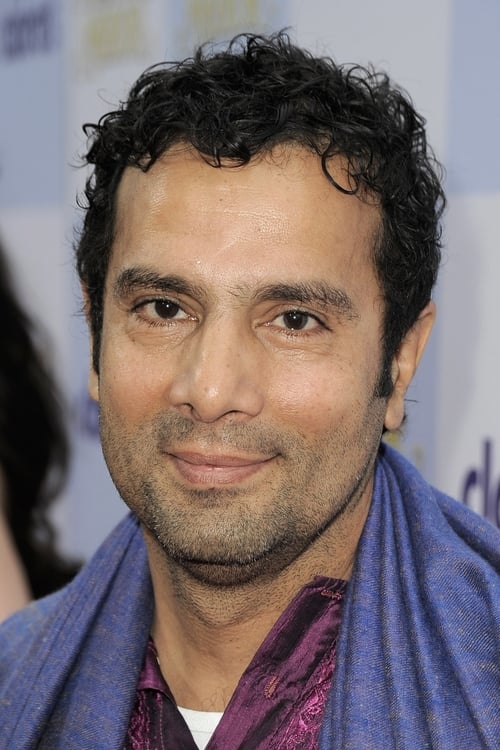
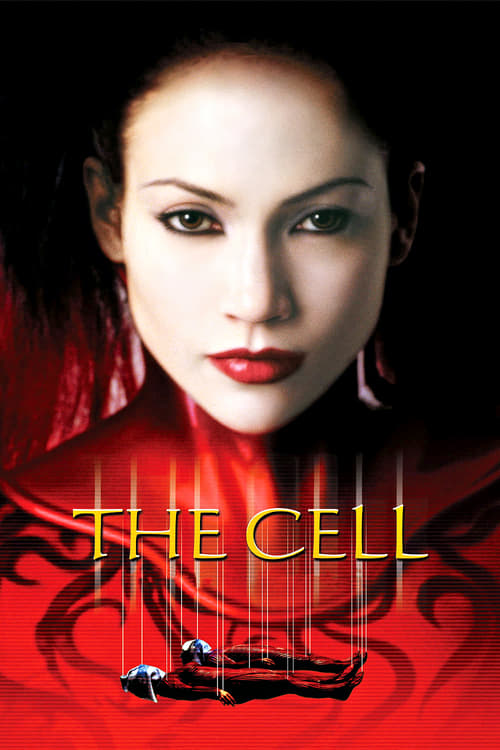
Singh has had a peculiar arc, starting with art house indies The Cell and The Fall before moving to the far less cerebral CGI spectacles Mirror Mirror and Immortals.
That's "Self/less," an appealing but derivative tech thriller from director Tarsem Singh ( "The Cell," "Mirror Mirror" ).
The Cell , his 2000 debut, took Jennifer Lopez inside the mind of a serial killer, and even Mirror Mirror , the Snow White comedy Tarsem made in 2012 (right around the time the phrase “director for hire” started popping up in reviews of his work), treats the evil queen, played by Julia Roberts, as “insecure” and misunderstood.
Gone is the nutso visual maximalism of The Cell and Immortals and the layered self-amusement of Julia Roberts in Mirror Mirror.
His films — including The Cell, The Fall, Immortals and Mirror Mirror — may vary in overall quality, but they each display such a sumptuous and rich appreciation of color, movement and landscape that his work stands visibly apart from the crowd.
But, the lofty ambitions, trite messages, half-hearted allegories and over-the-top caricatures make director Tarsem Singh's ("The Cell," "The Fall") latest a misguidedly campy experience.

Singh has had a peculiar arc, starting with art house indies The Cell and The Fall before moving to the far less cerebral CGI spectacles Mirror Mirror and Immortals.
Tarsem Singh ( The Fall , Mirror Mirror ) has a thing for rococo interiors and exotic architecture, but aside from a handful of scenes—a Donald Trump-like Manhattan apartment covered in gold leaf, a makeshift lab with translucent walls—the new sci-fi thriller Self/less never gives him a chance to indulge in fantastical spaces, which partly explains why it’s the first of the director’s movies to seem short on imagination.
Director Tarsem Singh ( The Fall , Mirror Mirror ) brings his trademark visual prowess, but can’t disguise the fact that we’ve seen it all before, and done better, making the whole experience rather point/less.
Initially impressing with the breathtaking visuals of The Fall , there’s a substantial amount of beauty to be found in the director’s one-two Hollywood punch of Immortals and Mirror Mirror , but his latest film takes a different, more conventional path.
Singh, an aesthete whose signature visual opulence graced Mirror Mirror and The Fall with a veneer of imagination, feels as lost as his protagonist: An expertly staged shoot-out in the second act only serves to articulate the film’s unrealized potential.
His films — including The Cell, The Fall, Immortals and Mirror Mirror — may vary in overall quality, but they each display such a sumptuous and rich appreciation of color, movement and landscape that his work stands visibly apart from the crowd.
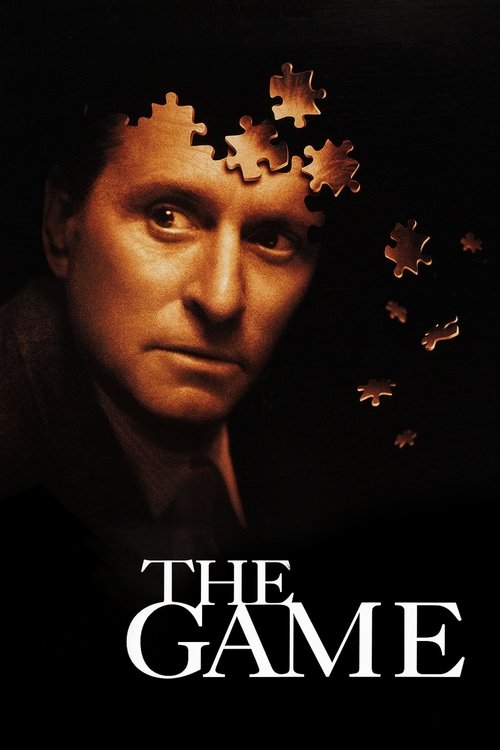
After a while, the film grows suspiciously reminiscent of David Fincher’s The Game (97), another Frankenheimer descendant, except that Fincher’s work thrives on the ironic blurring of reality and artifice while Tarsem seems to require that we sit back and pretend to be surprised as Damian’s adventures melt his cold heart.
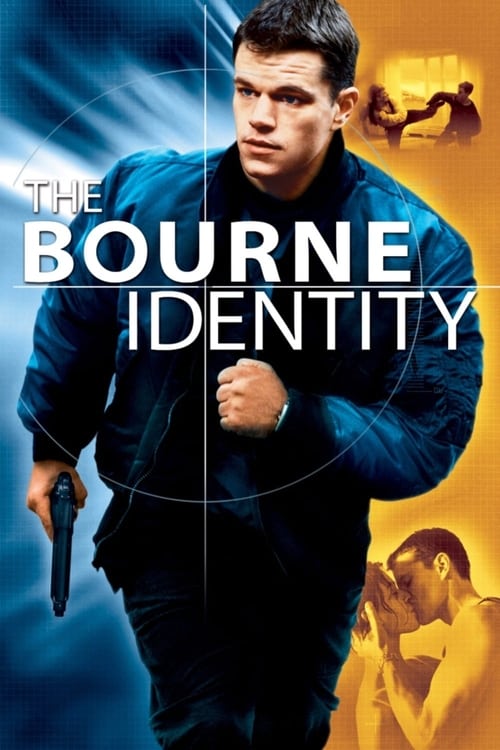
Trying to be both a thoughtful sci-fi parable like “Gattaca” and a cheesy B-movie that borrows heavily from “The Bourne Identity,” “Self/less” opens in the world of New York real estate development, where a ruthless tycoon named Damian (Ben Kingsley) has alienated his lefty-activist daughter (Michelle Dockery).
As with The Bourne Identity or Total Recall, another amnesiac everydude discovers he’s a superspy.
Advertisement
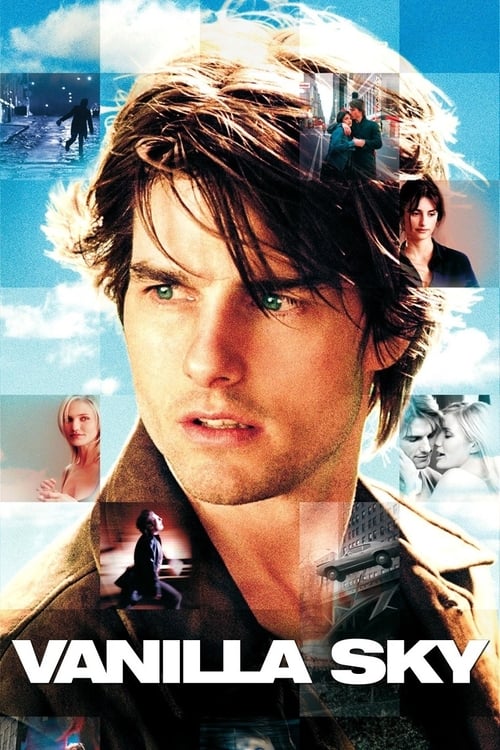
The body-swapping, immortality-centered story might seem familiar to anyone who’s seen Cameron Crowe’s “Vanilla Sky” and should prove absolutely titillating to anyone who thought that movie was way too good.
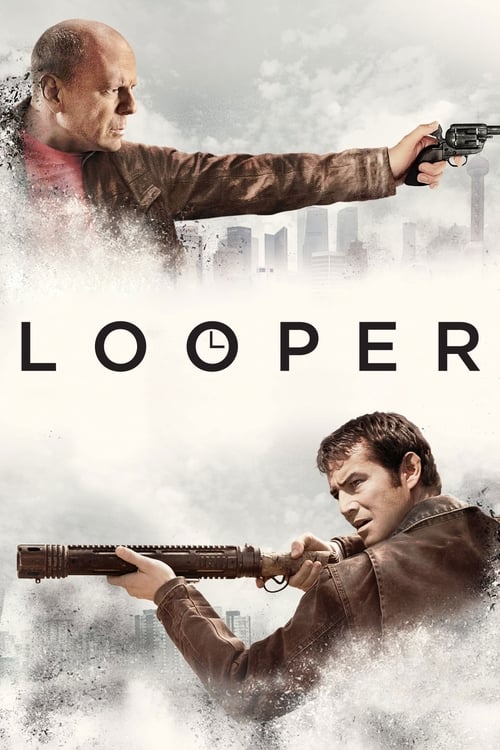
Coming from the producers of Looper , there’s a few shades of Rian Johnson’s bold and riveting sci-fi feature here, but where that film’s intriguing premise seems fully explored, Self/less ‘ humorless B-movie story and aesthetic makes for little more than a cheap knock-off of what has come before.
The producers of "Self/less" scored a solid success with the inventive, cleverly elaborated "Looper."
Coming from the producers behind Looper, this is the kind of independent genre outing that can, in the right circumstances, find a profitable marketplace niche.
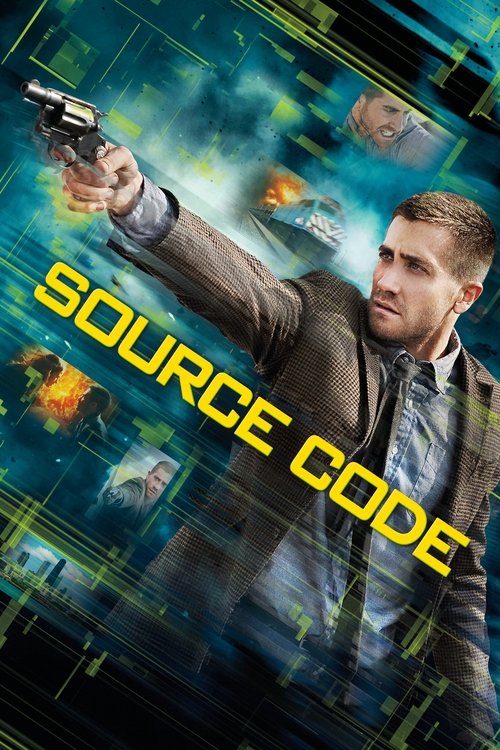
The first annoying part about the film is that whilst it has elements of older films such as John Frankenheimer’s Seconds and Duncan Jones’ Source Code , the film doesn’t exactly fulfil the potential of that plot line.
But the biggest problem Self/Less has is its predictability, which comes both from the increasingly lazy script itself, and from the fact that it's derivative of at least seven better films (among them Duncan Jones's Source Code).
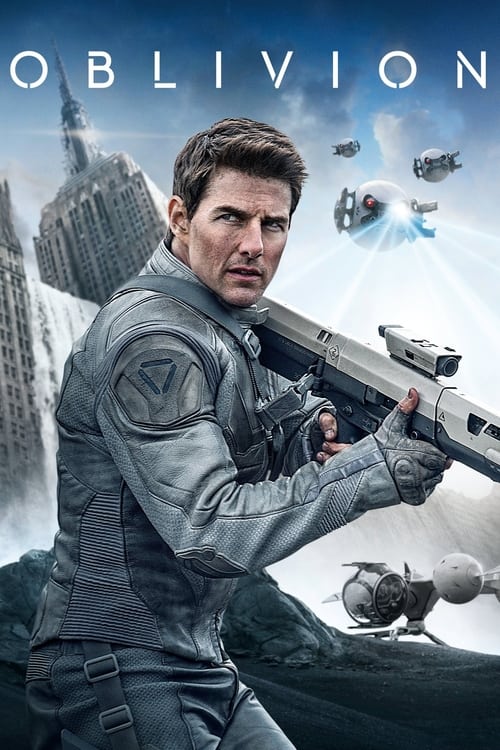
This treacherous journey to immortality makes a detour through John Woo's "Face/Off," has a pit stop at another Ryan Reynolds film about swapping bodies; "The Change-Up," drives by the Tom Cruise clones scattered along the highway in "Oblivion" , and attempts to cover up its similarities to Duncan Jones' "Source Code" with some minor construction.
Advertisement
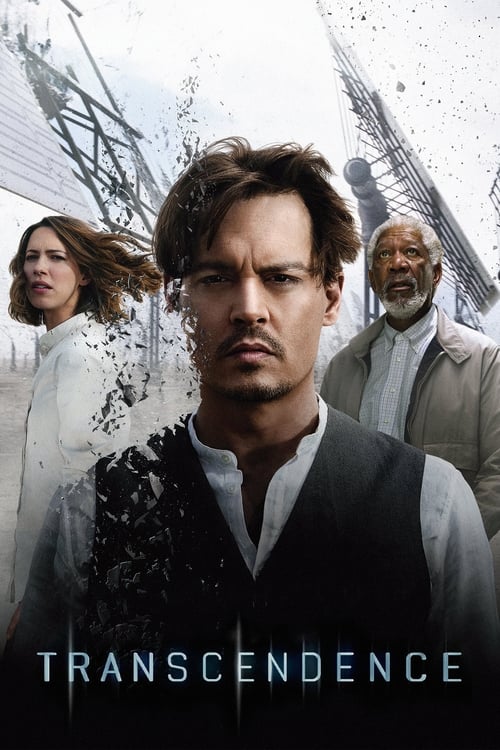
Such was the case with a script I started working on about having a human's consciousness transferred into a computer system, only to then learn that the Johnny Depp sci-fi thriller "Transcendence" was in the works.