
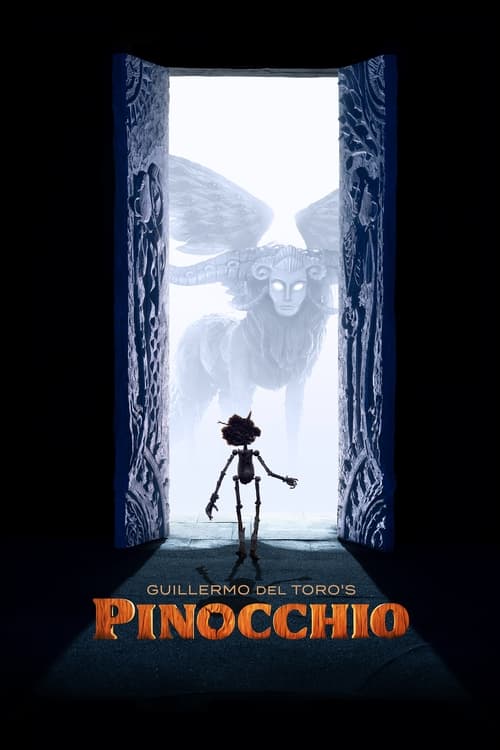
Guillermo del Toro's Pinocchio (2022)
Directed by Mark Gustafson
During the rise of fascism in Mussolini's Italy, a wooden boy brought magically to life struggles to live up to his father's expectations.
21 connections found
View:
21 films that influenced Guillermo del Toro's Pinocchio
What critics say influenced Guillermo del Toro's Pinocchio

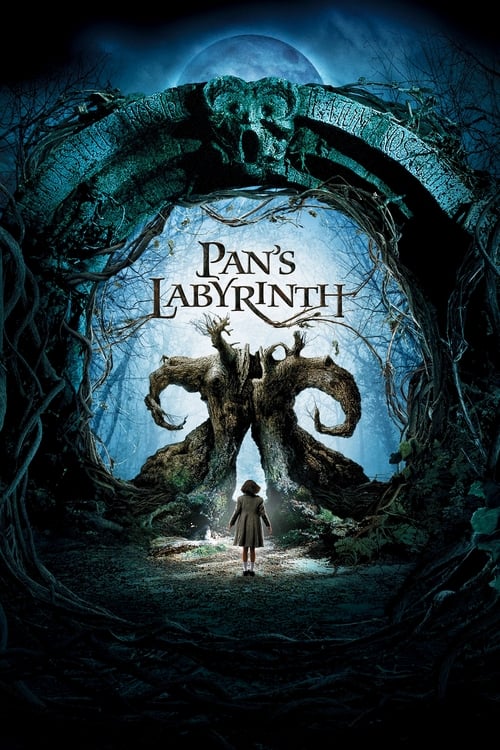


From the supernatural creatures with uncanny peepers scattered about their bodies — like one of the most famous monsters in Pan’s Labyrinth with eyes in its hands — to the carnival settings that recall his last feature, Nightmare Alley , and the watery realms echoing The Shape of Water and other back-catalogue efforts, the film sometimes plays like a greatest hits album of del Toro tropes.
Despite many similarities in production design and themes between Guillermo del Toro’s Pinocchio and Pan’s Labyrinth , Pinocchio ultimately isn’t like Ofelia, the intelligent child lead from the latter.
It’s the themes of Collodi’s novel that Guillermo del Toro picks up and runs with, but in classic fashion, the Nightmare Alley and Pan’s Labyrinth filmmaker reshapes Pinocchio into something far stranger, sharper, and better.
Guillermo del Toro's Pinocchio displays the director of Pan's Labyrinth and The Shape of Water's grasp of profound themes with a sense of macabre whimsy.
There are echoes of Pan’s Labyrinth , a childlike wonder facing the utter evil of fascist violence.
It’s a very blatant metaphor, but one where Pinocchio finds true inspiration, interpreting familiar story beats in a manner that makes it feel like the final part of a trilogy that began with The Devil’s Backbone and Pan’s Labyrinth , two other tales about children contending with the evils of fascism.
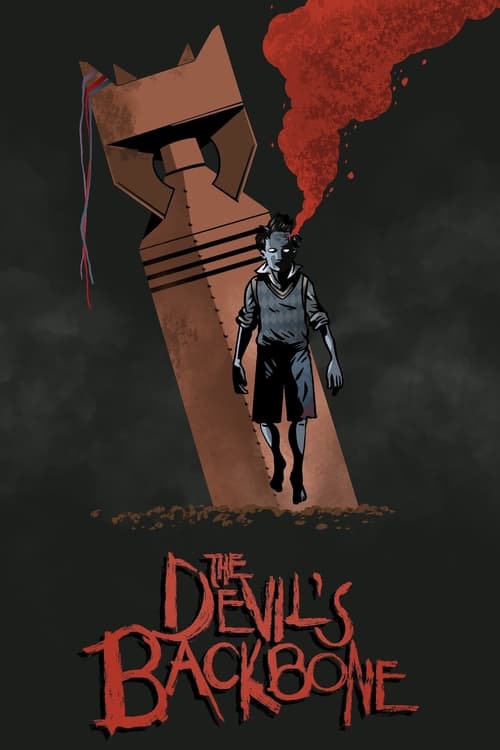
Del Toro and his co-writers — Patrick McHale for the screenplay and Matthew Robbins for the story — retain the setting of Collodi’s land, Italy, but the time frame has been bumped up into the 20th century, during the reign of Benito Mussolini and the fascists (in this way, GDT’s Pinocchio can be seen as a spiritual successor to the director’s condemnations of Franco’s Spain, The Devil’s Backbone and Pan’s Labyrinth ).
In this way, Pinocchio is of a piece with works like Pan’s Labyrinth (Swinton’s wood sprite reminds one of Doug Jones’ faun) and The Devil’s Backbone (one shot of a bomb dropping from the POV of the bomber is repeated in both films) — morality tales presented through the otherworldly sheen of the supernatural.
It’s a very blatant metaphor, but one where Pinocchio finds true inspiration, interpreting familiar story beats in a manner that makes it feel like the final part of a trilogy that began with The Devil’s Backbone and Pan’s Labyrinth , two other tales about children contending with the evils of fascism.
It’s more The Devil’s Backbone than Disney, Pinocchio by way of Pan’s Labyrinth .
The director behind The Devil’s Backbone and Pan’s Labyrinth only plays with fairy tales when he can put such a gothic and grave stamp on them.
As you might expect from the man behind “Pan’s Labyrinth” and “The Devil’s Backbone,” there’s a dark, violent sense of consequence to this one, a healthy sense of grotesquerie, that makes its happy ending — yes, that’s still on the cards, but not exactly as you’d expect — feel hard-earned.
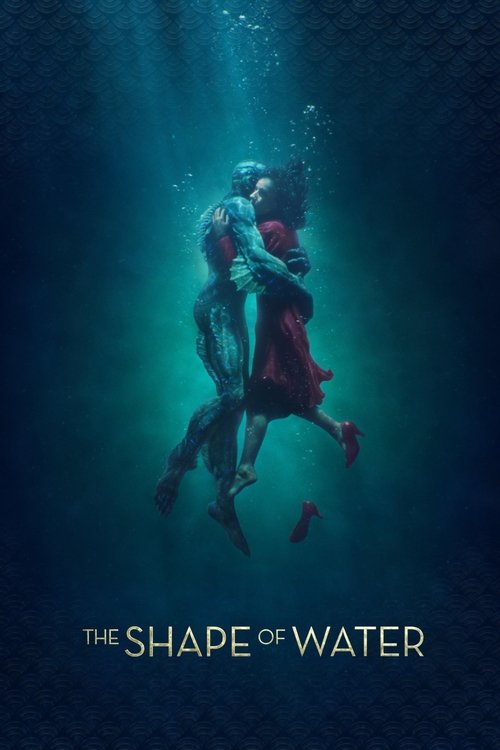
From the supernatural creatures with uncanny peepers scattered about their bodies — like one of the most famous monsters in Pan’s Labyrinth with eyes in its hands — to the carnival settings that recall his last feature, Nightmare Alley , and the watery realms echoing The Shape of Water and other back-catalogue efforts, the film sometimes plays like a greatest hits album of del Toro tropes.
Still, “Pinocchio” – the filmmaker’s best outing since winning best picture for 2017's “The Shape of Water” – captures the whimsical, crowd-pleasing nature of the story that made it a cultural touchstone for nearly a century.
The trademark style and vibe he made famous with films like Pan’s Labyrinth, Hellboy , and The Shape of Water can be felt throughout, though.
Meanwhile, Alexandre Desplat’s score is essentially a spiritual continuation of his “The Shape of Water” score, and it works wonderfully for the romantic tone of the film.
In select theaters now and coming to Netflix December 9th, Guillermo del Toro’s Pinocchio is exactly what one expects from the author of Pan’s Labyrinth (2006) and The Shape of Water (2017), a classic child’s tale that isn’t afraid to bear its teeth toward the follies of humanity in its quest to open and uplift hearts.
The Shape of Water director Guillermo del Toro's version, on the other hand, is rated PG, yet clearly aimed at adults, not children.

As in Hellboy II , del Toro incorporates both the modern notion of winged angels, and the ancient concept of them as many-eyed monstrosities.
With her quartet of feathered wings, each jeweled with eyes, she’s a dead ringer for Doug Jones’s Angel of Death from del Toro’s Hellboy II: The Golden Army , and scarcely a blink away from the macabre.
The creature that gives Pinocchio life is not a traditional fairy, but a frightening and hauntingly beautiful being that looks like a biblically accurate angel, with wings filled with eyes — more like the Angel of Death from “Hellboy II.”
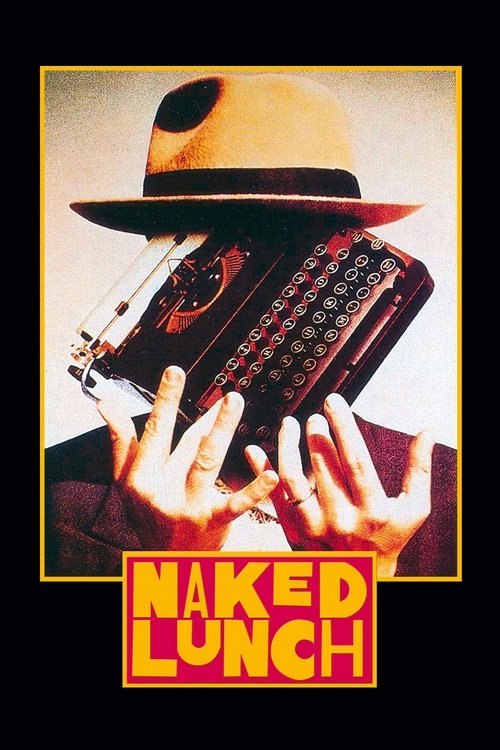
He gives us a Jiminy Cricket – here called Sebastien J. Cricket (Ewan McGregor) – who looks borrowed from the set of David Cronenberg’s Naked Lunch.

In addition to his contributions to those icons of late-1980s marketing, the California Raisins, Gustafson worked on the Nome King effects for Millennial cult favorite-slash-nightmare fuel Return to Oz (1985) and on Will Vinton’s profoundly strange claymation adventure feature The Adventures of Mark Twain (1985).
Del Toro (who co-wrote the film with frequent collaborator Patrick McHale) directed this stunning stop-motion reworking of Carlo Collodi’s classic tale alongside animation legend Mark Gustafson ( The Adventures of Mark Twain ; Fantastic Mr. Fox ; Return to Oz ; The PJs ), and the resulting work is both beautiful and low-level terrifying—exactly the kind of movie kids of all ages should be able to appreciate.
Academy Award®-winning director Guillermo del Toro (“ The Shape of Water “) and award winning, stop-motion legend Mark Gustafson (“ Return to Oz “) team up to reimagine the classic Carlo Collodi tale of a wooden boy, Pinocchio, on an enchanted adventure that transcends worlds and reveals the life-giving power of love.
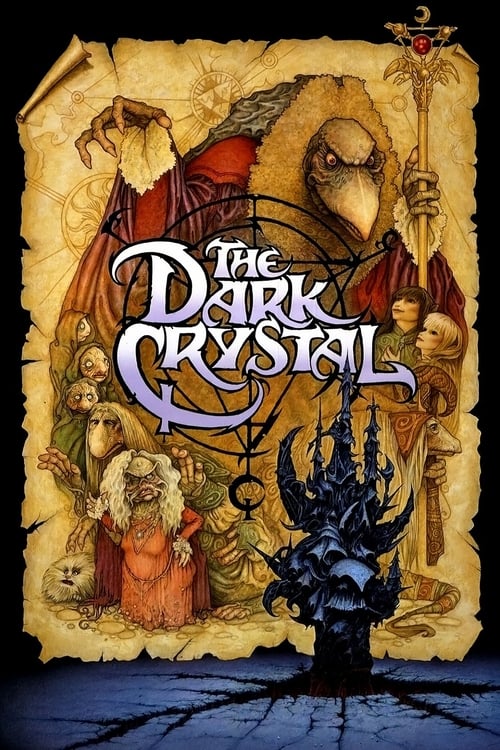
It’s very reminiscent of the darker breed of children’s films from the 1980s like “The Dark Crystal” (which makes sense, considering The Jim Henson Company are producers of it), and more contemporarily, it has obvious echoes of Laika’s recent output.
Advertisement
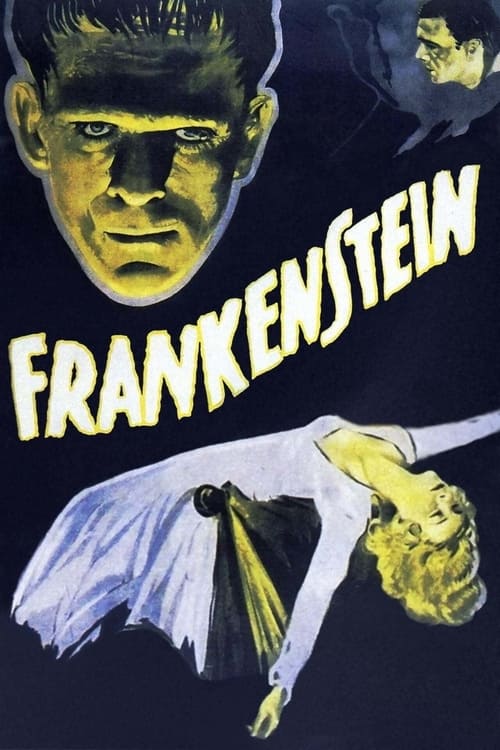
But the scene is tuned to the same crackling frequency as the one in James Whale’s Frankenstein , in which the monster is jolted into being.
In fact, the only less-than-glorious move del Toro makes in his Pinocchio-by-way-of-Frankenstein is keeping in songs — his movie is magical enough without them.
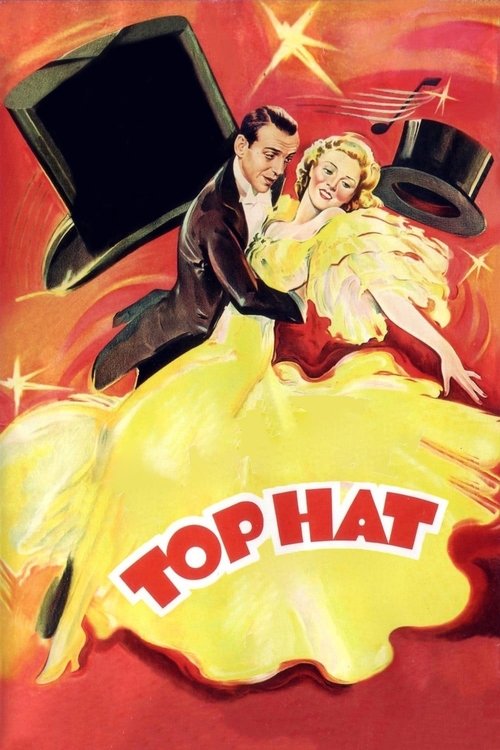
From its very premise to a musical interlude straight out of a Fred Astaire/Ginger Rogers pic like Top Hat , this is one of our great dreamers operating with total confidence and freedom.
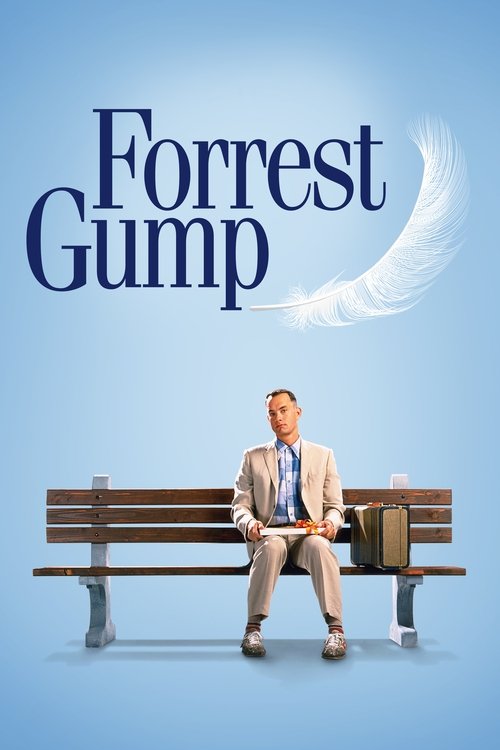
With apologies to David Bradley, who voices Master Geppetto in the new version — recently released in select theaters — we really liked what “America’s Dad” brought to the role in the film helmed by his “Forrest Gump” director, Robert Zemeckis.
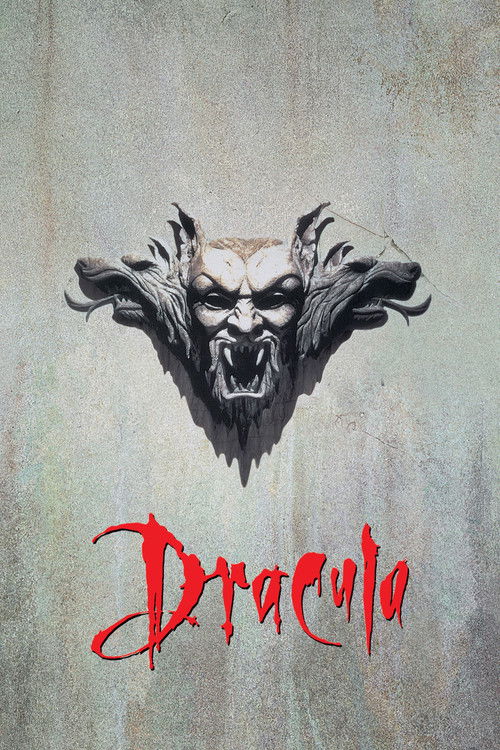
There’s confidence — some would even say arrogance — in filming an oft-told story at least as old as the hills, and suddenly branding it as your own: Even two auteurs as ballsy as Francis Ford Coppola and Baz Luhrmann didn’t slap their own names on “Bram Stoker’s Dracula” and “William Shakespeare’s Romeo + Juliet,” respectively.
Advertisement
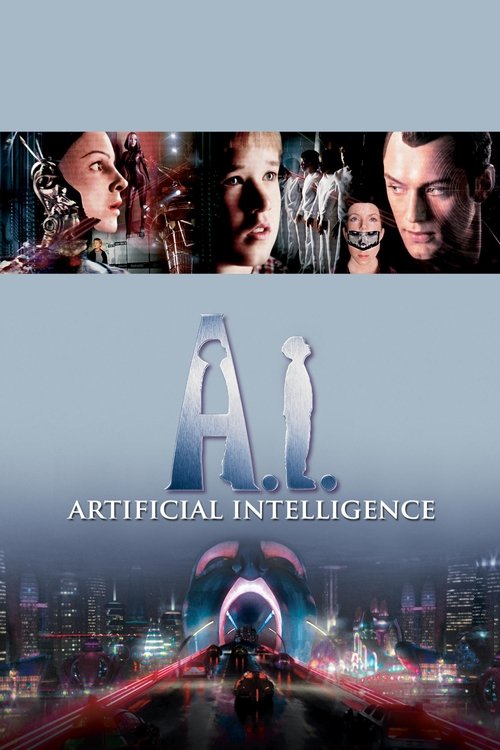
Peppered with forebodings of mortality, Pinocchio ends on an unusually somber note, one that conjures up emotional memories of Steven Spielberg’s A.I. Artificial Intelligence .
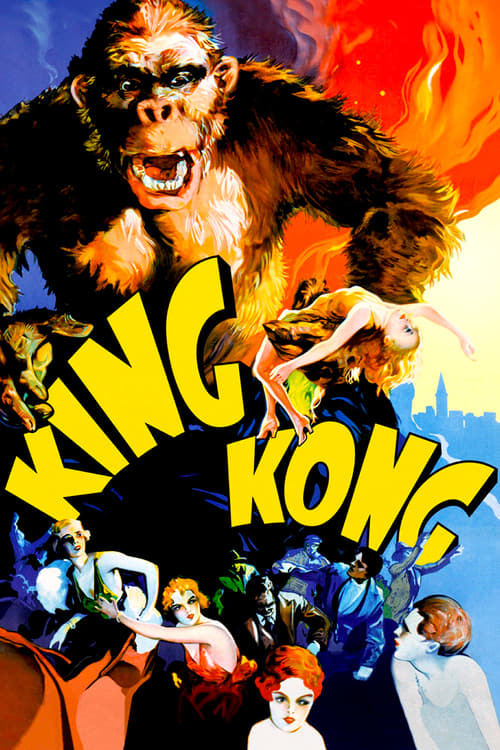
I’d rank Del Toro’s “Pinocchio” alongside the 1933 "King Kong," Tim Burton's "The Nightmare Before Christmas" and Wes Anderson’s "Fantastic Mr. Fox" in terms of the visual and emotional miracles that can be accomplished through stop motion.