
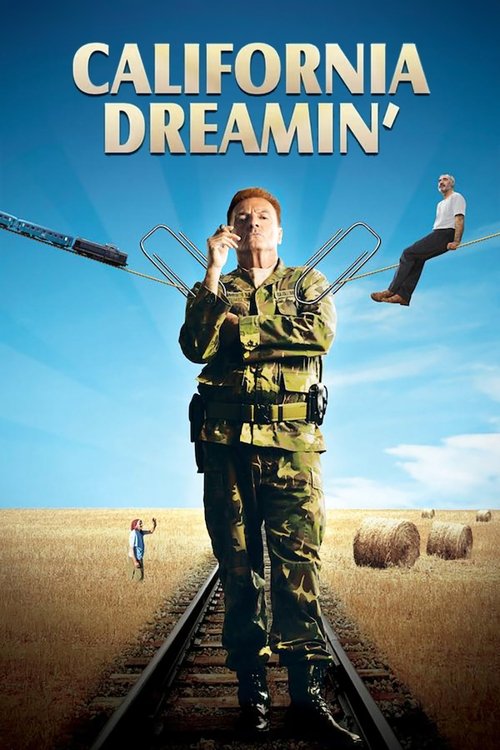
California Dreamin' (2007)
Directed by Cristian Nemescu
1999. Kosovo War. In a small Romanian village, the chief of the railway station, who also happens to be a local gangster, stops a NATO train transporting military equipment. Their arrival in this small village dramatically changes its landscape.
3 connections found
View:
3 connections, in both directions
What critics compared California Dreamin' to
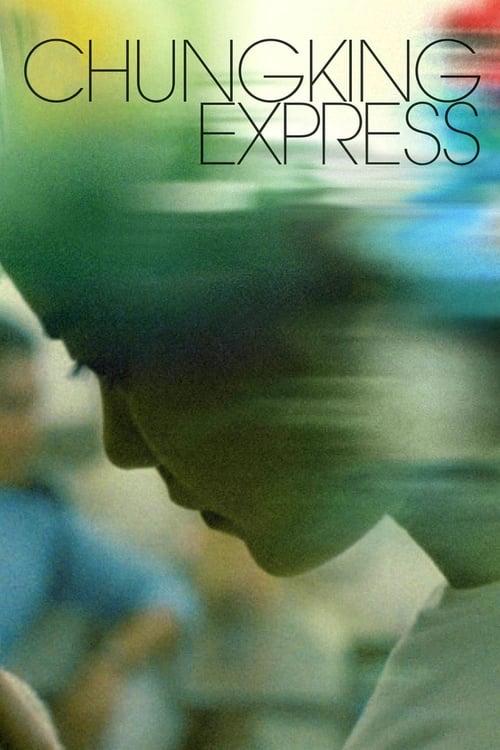


Faye talks about moving to the United States and is forever playing her favorite song, "California Dreamin'."
Holding onto the key and letter is Faye (Hong Kong pop star Fay Wang), an aloof, pixie-ish employee whose theme song (which she never tires of hearing, even though we do) is "California Dreamin'," and who schemes to comfort the lovelorn cop by sneaking into his apartment and redecorating the place as an expression of her own secretive affection.
Badge No. 663 hangs around a fast-food emporium mooning over a stewardess who skipped out, while the boss tries to steer him to his new waitress Faye (Faye Wang), a trim, T-shirted cutie who keeps bopping away to her own tape of the Mamas and the Papas' "California Dreamin.' "
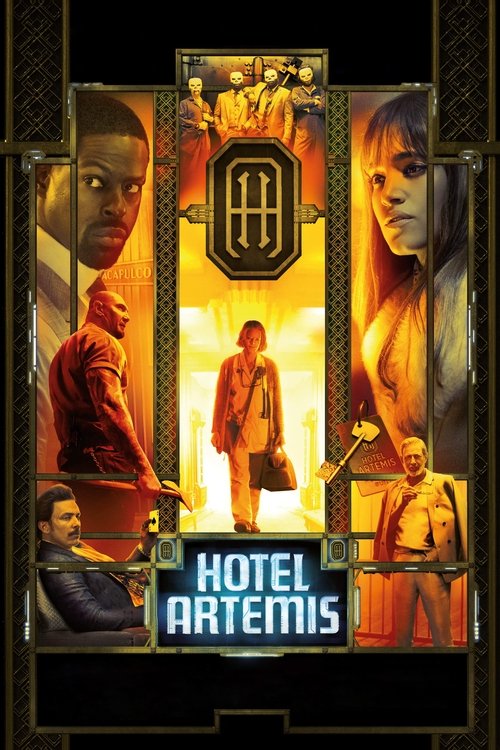
I mean, this is a movie that showcases the haunting 1960’s hit “California Dreamin’ ” by the the Mamas & the Papas — and also crowns its villain “The Wolf King,” which was the title of the first solo album by Mamas & the Papas frontman John Phillips, one of the most despicable monsters imaginable if the allegations by his daughter Mackenzie were true.
From the cutesy codenames, to the cheesy needle-drops (seriously, there’s a literal needle-drop as “California Dreamin’” is piped through the speakers while Nurse makes her rounds, complete with the record sleeve tucked into frame in case you forget what song is playing), Hotel Artemis giddily runs with all its genre pastiche.
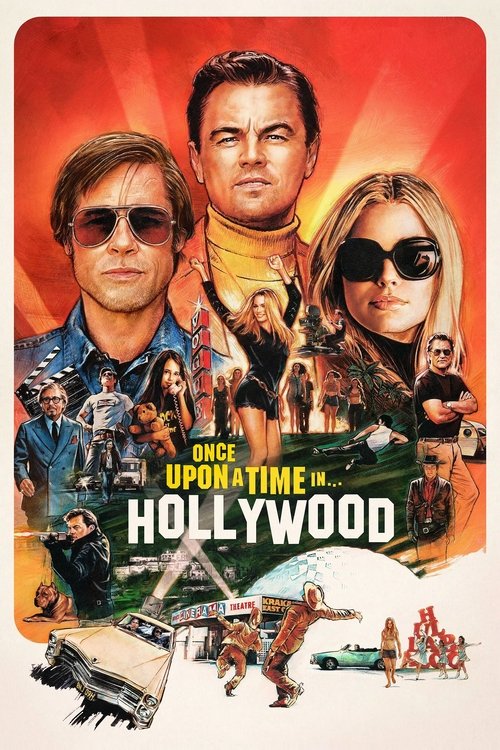
Sound and self-reference: Robert Goulet singing “MacArthur Park” on a long-gone TV show; a defunct NBC network chime; that LAX corridor with pastel-color tile squares also seen in “Jackie Brown”; a sun-dappled-to-rust blue Karmann Ghia, palm-tree debris filthy and like one that had been in Tarantino’s family; the placement of the José Feliciano version of “California Dreamin’” and then “Out Of Time” under a montage of its characters in motion, on streets and freeways in falling dusk at the film’s final juncture between historic recreation and fairytale reinvention.
Some of the best sequences are just Dalton and Booth cruising the Hollywood hills and gunning it down the main drags of the City Of Angels as period-appropriate music – “California Dreamin’”, “Out Of Time” and a whole lot of stuff you won’t recognise but will instantly adore from Tarantino’s record collection – blasts from the radio.
Tarantino has even managed the unlikely feat of wedging "California Dreamin'" into this increasingly uneasy film—bypassing the chiming Mamas and Papas original and going instead with the darker José Feliciano cover version.
As the story’s mood turns dark, the recording of “California Dreamin’” you hear on the soundtrack isn’t the Mamas and the Papas’ creamy, sunset-flavored version, but a more foreboding one by José Feliciano, the sound of vultures circling.
Aparecen Bruce Lee, Steve McQueen, Sam Wanamaker, en la radio del auto se habla de Frank Sinatra, de la guerra de Vietnam y se escuchan temas como Mrs. Robinson, California Dreamin'.