
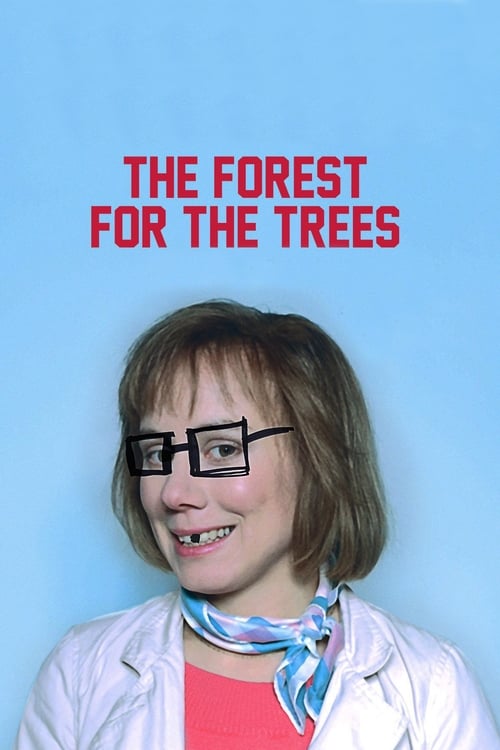
The Forest for the Trees (2004)
Directed by Maren Ade
As an awkward idealistic high school teacher begins her first job in the city, things turn out to be much tougher than she had imagined.
1 connection found
View:
1 connections, in both directions
What critics compared The Forest for the Trees to



Overcoming not one but two historical biases in Cannes Competition programming lore — being German and being a woman — Ade’s film is only her third feature after “The Forest For The Trees” (which was actually her graduation piece from film school) and 2009’s terrific, not widely seen “Everyone Else.”
For Toni Erdmann’s first third or so, Ade seems to be revisiting similar territory to that of her excellent, albeit little-seen, debut feature, The Forest for the Trees.
In her third feature as writer and director, following 2003’s The Forest for the Trees and 2009’s Everyone Else, Ade again shows her skills at confounding expectations and blending restraint with absurdist farce.
Beyond a gift for scalding observation of uneasy relationships demonstrated in her earlier features, “The Forest for the Trees” (2003) and “Everyone Else” (2009), the forty-year-old German filmmaker spends ages mulling over her subjects to find a proper tone.
Directed by Maren Ade ( Everyone Else , The Forest for the Trees ), Toni Erdmann is a quirky and fearless father-daughter story that will resonate with anyone who’s ever been embarrassed by a parent, and it’s already garnered numerous bouquets, including a clean sweep of the European Film Awards, since its FIPRESCI-winning debut at Cannes last year.
Her university thesis film, The Forest For The Trees (2003), is a cringe-comedy character study about a young woman, new in town, who’s eager to make friends and completely indifferent to societal standards regarding personal boundaries.