
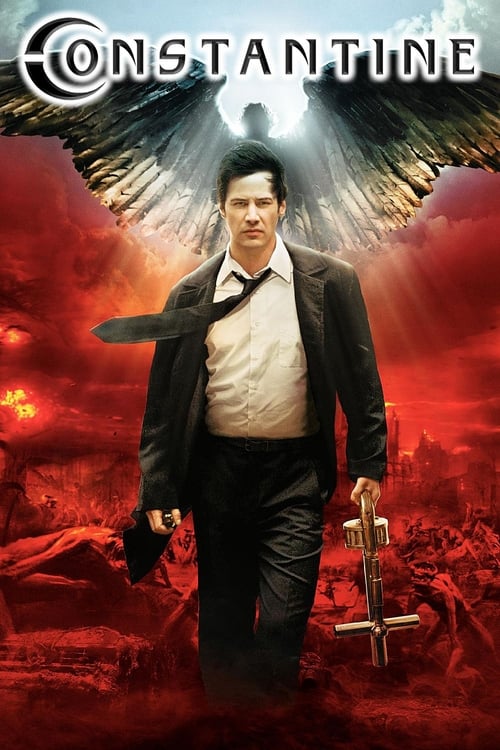
Constantine (2005)
Directed by Francis Lawrence
John Constantine has literally been to Hell and back. When he teams up with a policewoman to solve the mysterious suicide of her twin sister, their investigation takes them through the world of demons and angels that exists beneath the landscape of contemporary Los Angeles.
34 connections found
View:
34 films that influenced Constantine
What critics say influenced Constantine
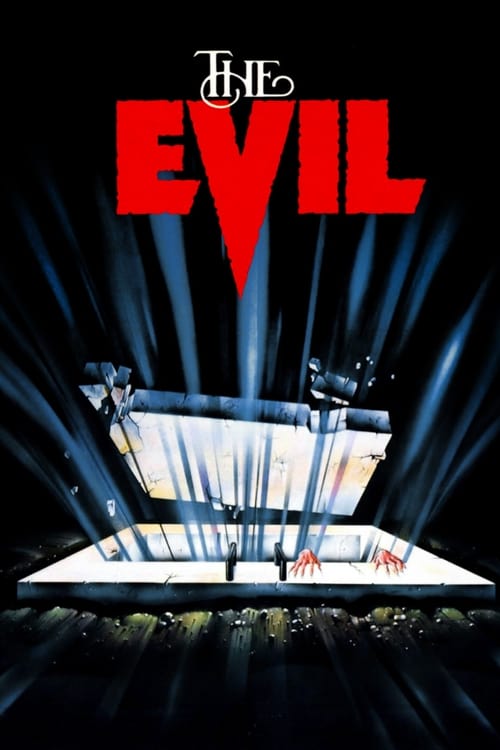


His style of dress seems to have taken some critics by surprise; they have apparently forgotten Victor Buono's identically garbed Satan in The Evil, where he referred to hero Richard Crenna as an "insignificant speck of vomit," a moment that makes Constantine seem positively decorous by comparison.

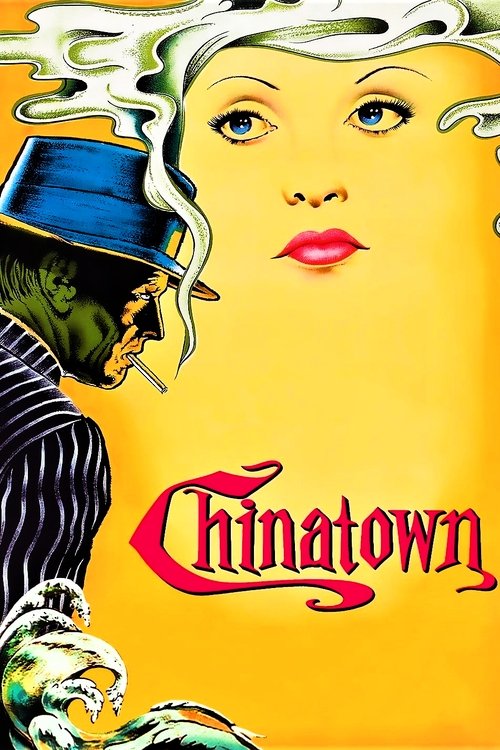
Even the poster for "Constantine" is an homage to the famous ad sheet for "Chinatown."
Imagine Chinatown, with an inferior script and lots of demons -- the publicity department at WB certainly did ...
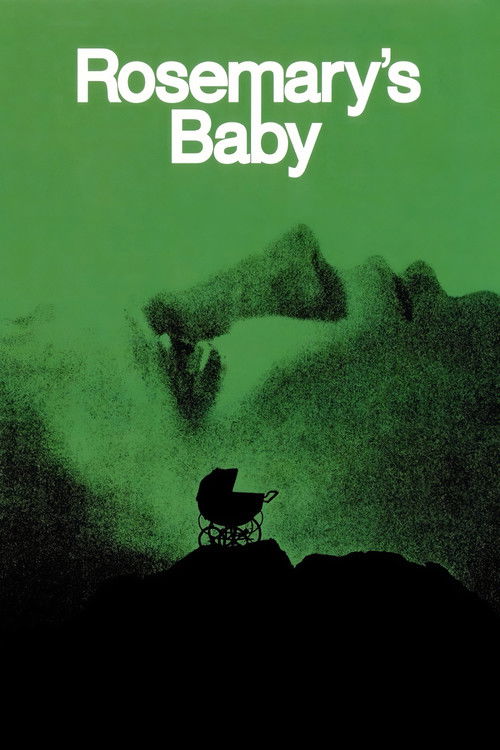
Movies about devils, demons and people with supernatural powers (such as Rosemary's Baby, the original Exorcist, the Omen trilogy, Carrie and The Fury) were infinitely more interesting when connected to real life and before the curse of computer-generated effects.
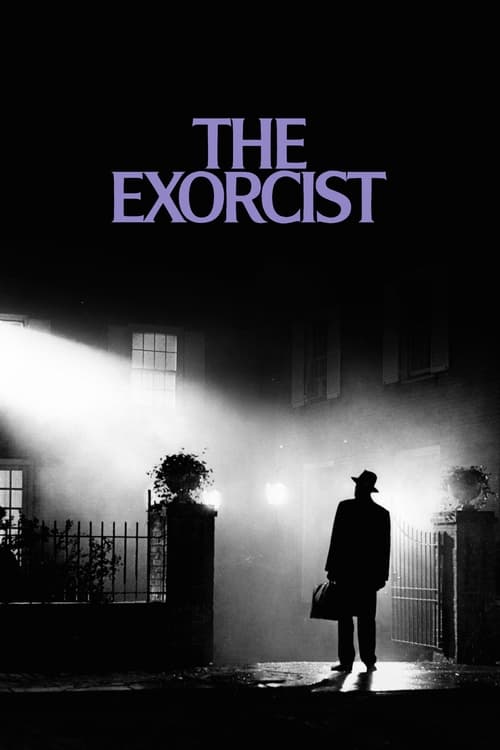
Still, I couldn't help thinking there's nothing in Constantine that begins to match the primal chill of Satan's single cry of "Merrin!" when the priest enters the possessed house in The Exorcist.
Doomed to Hell by a childhood suicide attempt (like "The Exorcist," the Constantine mythology is rooted in useful Catholic liturgical precepts), his main concern in life is to somehow get right with God in time to avoid being consigned to the abyss, where his anti-Satanic efforts here on Earth have caused much gnashing of fangs, and his fate would therefore be extra-unpleasant, not to mention endless.
Almost every Catholicism-cloaked supernatural thriller since "The Exorcist" has demonstrated an inherent lack of originality, falling back on the same tiresome genre staples: Possessed young women and tied-to-bed exorcisms, "lost" books of the Bible that allow the screenwriter to invent plot-convenient mythology, and a troubled hero trying to prevent some kind of demonic cross-over into our plane of existence.
When a demon breaks the rules and actually crosses over into our world -- usually in the form of a possession, a la "The Exorcist" -- John "deports" that sucker back to hell, where he belongs.
Where The Exorcist, The Prophecy, and even Kevin Smith’s Dogma have all ventured, Constantine gives the middle finger and delves into darker territory.
Screenwriter Kevin Brodbin's genre-jumping tale of a loner battling demons in contemporary Los Angeles is clearly designed to be the launch of a new franchise that could be a hybrid of "The Exorcist" and "The Matrix" ("The Exotrix," perhaps?), and director Francis Lawrence utilizes lots of sepia tones, low-angle shots and sweaty extreme close-ups in an attempt to give it an uncommon look.
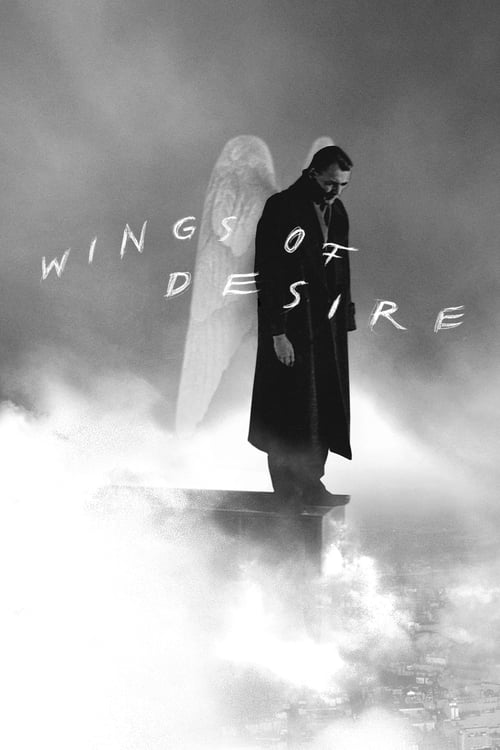
Some of that influence hails from the costume designer's obvious nod to Wenders's "Wings Of Desire" (1987).
Advertisement
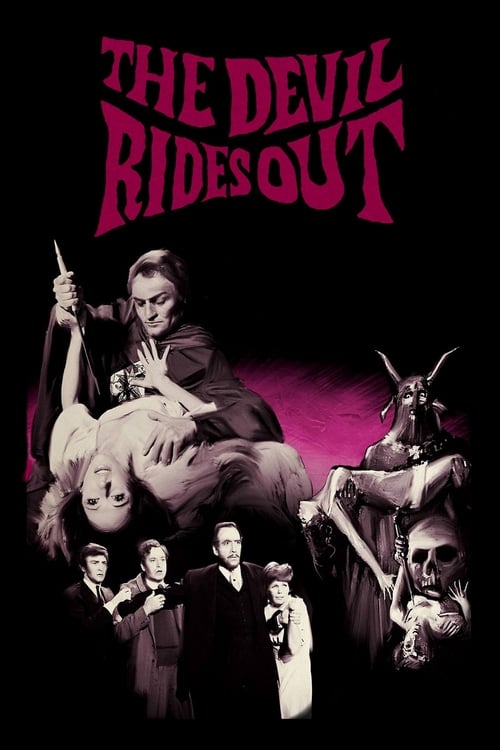
The comic-book Constantine is a blond Brit based in Liverpool (think Sting by way of Christopher Lee in Terence Fisher ’s The Devil Rides Out).

Constantine actually has more in common with 1990's Jacob's Ladder than with last year's comic book adaptation Hellboy in that it similarly attempts to incorporate religious and philosophical elements into its thriller framework.

The character of John Constantine, a hard-boiled British occult investigator who does weary battle with Satan's evil, half-human minions here on Earth, was introduced in a 1985 installment of Alan Moore's groundbreaking series of "Swamp Thing" comics.
Based on the (so to speak) cult DC/Vertigo comic book Hellblazer, a spin-off from Alan Moore’s run on Swamp Thing, Constantine stars Keanu Reeves in his first post- Matrix vehicle, a relentless action movie with more ideas than both Matrix sequels put together.

The irony should not be lost on the fact that David Fincher's Mank, a dramatized feature about the writing of one of Orson Welles's greatest films, Citizen Kane (1941), is being released by the streaming giant Netflix.
Advertisement

(In that sense, it's like Kevin Smith's "Dogma," with better special effects and minus the scatological humor.)
Unlike in Kevin Smith’s “Dogma,” God never makes an appearance in human form in “Constantine.”
Where The Exorcist, The Prophecy, and even Kevin Smith’s Dogma have all ventured, Constantine gives the middle finger and delves into darker territory.
Constantine shares common aspects with movies as diverse as Hellboy and Dogma : it portrays defenders of our world from the worlds beyond; it proposes a contemporary explanation of Biblical verses; and the story unfolds with the fate of the world hanging in the balance.
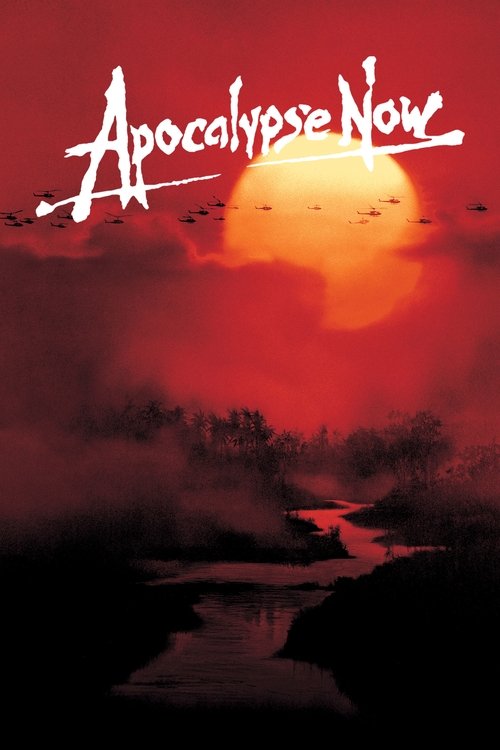
He gives a completely unhinged, psychotic performance worthy of Dennis Hopper in Apocalypse Now or of Crispin Glover in anything, and bringing the movie its only camp value.