
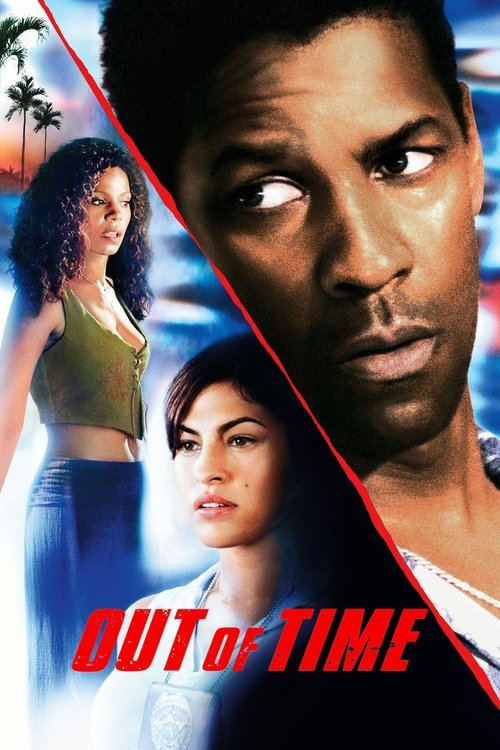
Out of Time (2003)
Directed by Carl Franklin
Matt Lee Whitlock, respected chief of police in small Banyan Key, Florida, must solve a vicious double homicide before he himself falls under suspicion. Matt Lee has to stay a few steps ahead of his own police force and everyone he's trusted in order to find out the truth.
1 connection found
View:
1 connections, in both directions
What critics compared Out of Time to
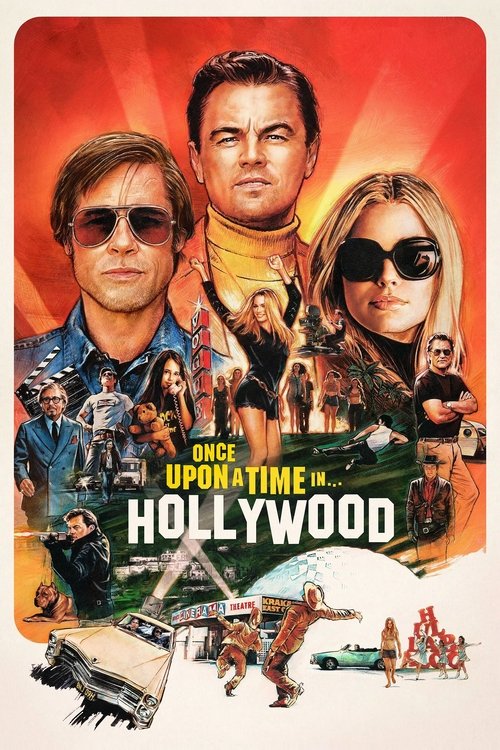


Sound and self-reference: Robert Goulet singing “MacArthur Park” on a long-gone TV show; a defunct NBC network chime; that LAX corridor with pastel-color tile squares also seen in “Jackie Brown”; a sun-dappled-to-rust blue Karmann Ghia, palm-tree debris filthy and like one that had been in Tarantino’s family; the placement of the José Feliciano version of “California Dreamin’” and then “Out Of Time” under a montage of its characters in motion, on streets and freeways in falling dusk at the film’s final juncture between historic recreation and fairytale reinvention.
Mick Jagger is singing “Out of Time.”
Tarantino nos dice que, sí, las grandes películas –como la propia Érase una vez… en Hollywood- siempre serán las grandes películas, pero que nadie se olvide de los seriales de televisión de los 50 (caso de The Range Rider o Rawhide), de los eurowesterns de los 60 y 70 (se cita textualmente a Sergio Corbucci, Antonio Margheriti y a nuestro Joaquín Romero Marchent), del soul de Los Bravos y los primeros The Rolling Stones –cuando suena “Out Of Time” es uno de los momentos culmen de la cinta- y de un modo de vida donde cabían, en pocas cuadras de diferencia, las fiestas de la Mansión Playboy, la comuna hippy de Charles Manson y los cines de sesión continua.
From the wall-to-wall music — Deep Purple’s “Hush,” Otis Redding’s “I Can’t Turn You Loose,” Bob Seger System’s “Rambling Gambling Man,” The Rolling Stones’ “Out of Time” and so much more — to such LA-specific characters as horror-movie TV host Seymour, Tarantino makes you feel as if he really has turned back the clock.