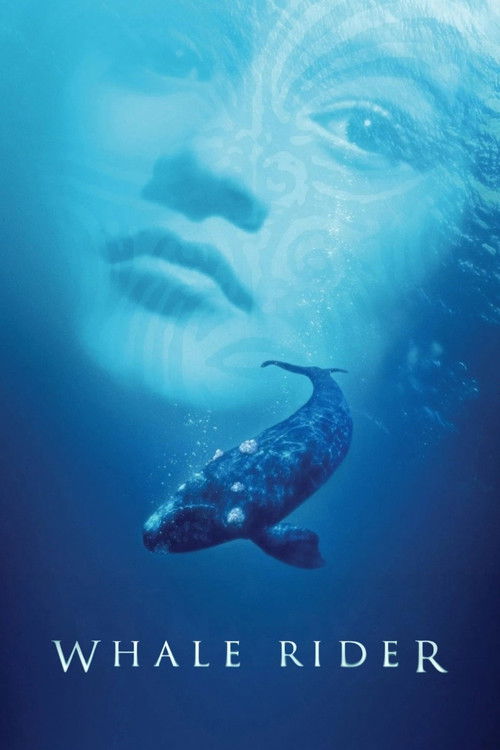
Whale Rider (2003)
Directed by Niki Caro
A contemporary story of love, rejection, and triumph as a young Māori girl fights to fulfill a destiny her grandfather refuses to recognize.
6 connections found
View:
6 connections, in both directions
What critics compared Whale Rider to
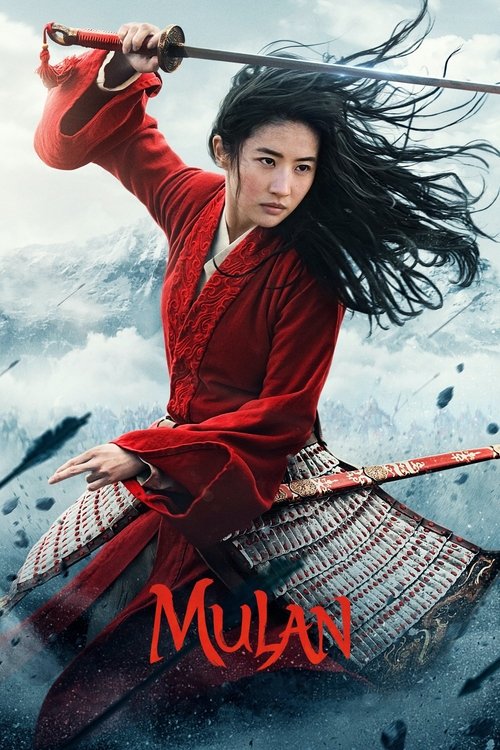


But despite the absence of so many elements that endeared fans to the 1998 feature, the new “Mulan” holds together nicely, thanks in large part to director Niki Caro, While the New Zealander behind the Oscar-nominated coming-of-age drama “Whale Rider” is not exactly an inspired choice, she’s taken over the reins with storytelling efficiency, a keen eye for attractive imagery and a willingness to pay tribute to Chinese culture.
Not only is Niki Caro - the filmmaker behind such gems like “Whale Rider” and “McFarland U.S.A” - in the directing chair, one of a handful of female directors ever given the reins to a $200 million tentpole, but herself and writers Rick Jaffa, Amanda Silver, Elizabeth Martin, and Lauren Hynek made the bold move to ditch the musical theatrics of its animated predecessor, and create a gritty, stylized, and realistic adventure in the vein of the ancient Chinese folk story “The Ballad of Mulan.”
The new live-action Mulan , directed by Niki Caro ( Whale Rider , The Zookeeper’s Wife ), is reminiscent of two things.
Director Niki Caro, who proved adept at inspirational tales with "Whale Rider," "North Country" and "McFarland, USA," has a pulse on the heart of the feminist fable, about a woman who masquerades as a man to protect her family and homeland.
Caro revisits the promise and themes of her breakout film, 2002’s Whale Rider , with this tale of a young woman fighting against sexist expectations and traditions.
Directed by New Zealander Niki Caro (“Whale Rider”) from a script by Lauren Hynek, Rick Jaffa, Elizabeth Martin and Armanda Silver, “Mulan” carries the torch of feminism proudly though in a decidedly non-threatening way.
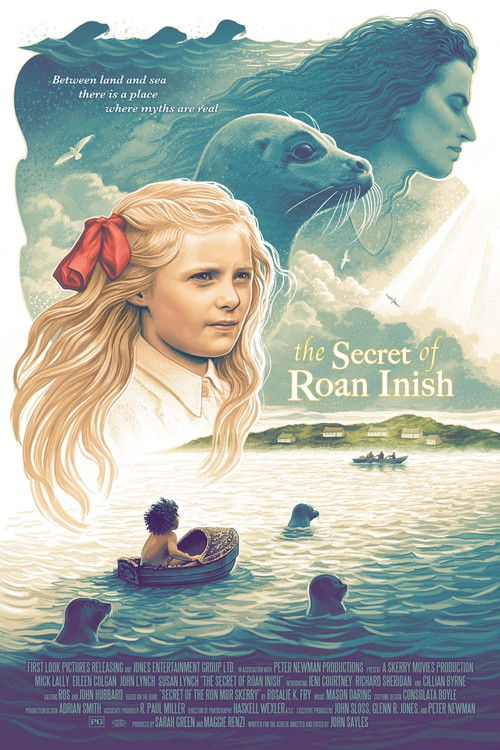
It resembles John Sayles' brilliant The Secret of Roan Inish not only in subject, but also in the understanding that film has the potential to be the most cogent extrapolation of the oral storytelling tradition.
It's amazing, but films on the opposite end of the spectrum are still being made, films like Babe and Babe: Pig in the City, Fly Away Home, Holes, The Secret of Roan Inish and The White Balloon.
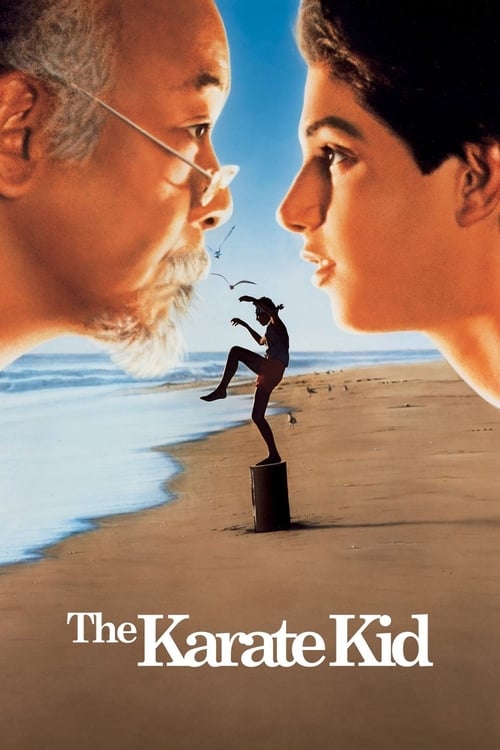
Make no mistake: Whale Rider is essentially The Karate Kid Down Under.
As Koro teaches the local, giggling boys the warrior ways with a fighting stick (calling to mind Pat Morita in "The Karate Kid"), Pai peeks in through the window and follows along.

Director Niki Caro ("Whale Rider") masterfully guides a huge international, primarily Asian, cast through this grand saga.
Advertisement
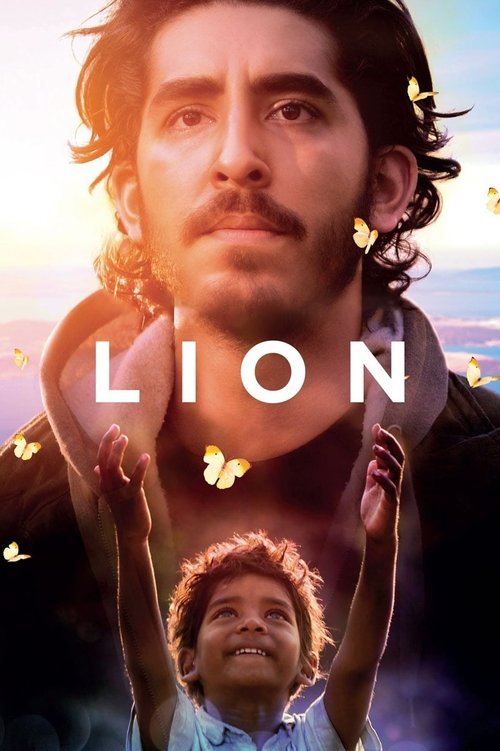
In that sense, Lion may be this year’s Whale Rider , where your own sniffling will be masked by that of those around you.
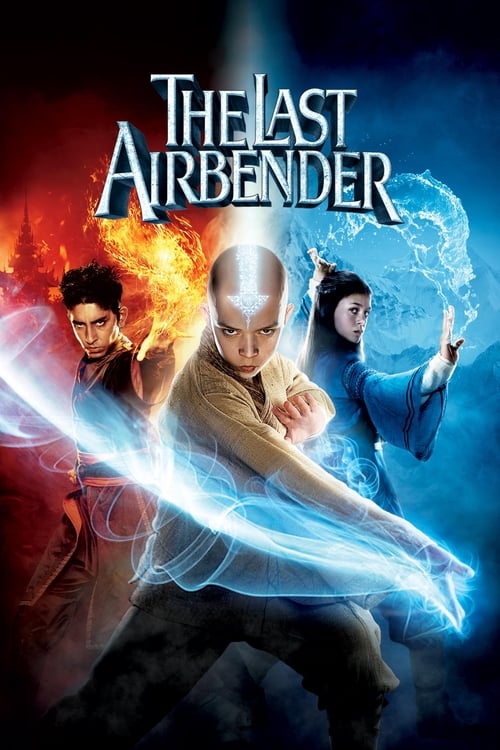
Curtis ( Whale Rider ), Mandvi ( The Mystic Masseur ), and Patel ( Slumdog Millionaire ) seem like actors in a Shakespearean tragedy here.