
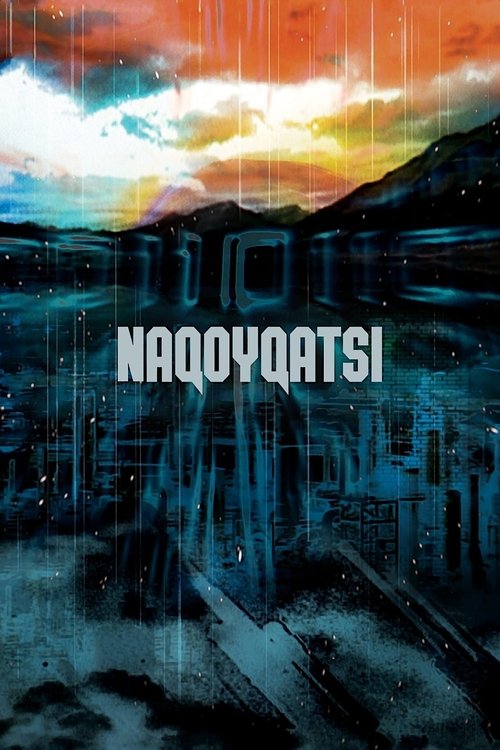
Naqoyqatsi (2002)
Directed by Godfrey Reggio
A visual montage portrait of our contemporary world dominated by globalized technology and violence.
1 connection found
View:
1 connections, in both directions
What critics compared Naqoyqatsi to
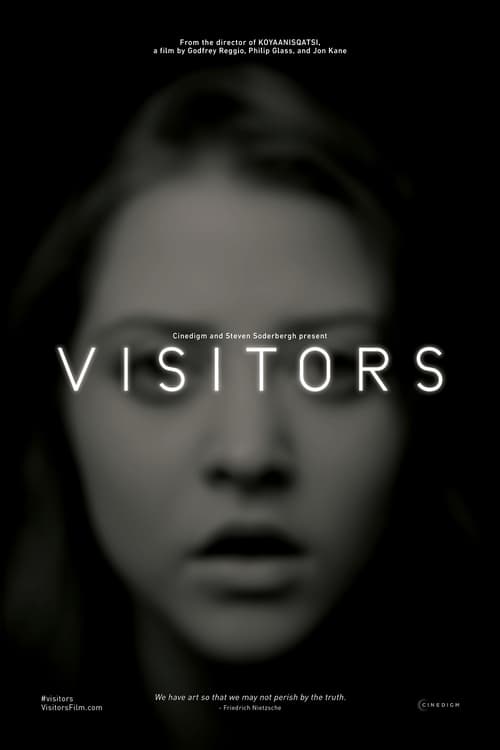


Godfrey Reggio’s new film, Visitors, isn’t an official sequel to his “Qatsi” trilogy, but thematically, it picks up right where 2002’s Naqoyqatsi left off.
Filmgoers might be familiar with Reggio’s name from his previous three films — “ Koyaanisqatsi ,” “ Powaqqatsi ” and “ Naqoyqatsi ” — which coined a cinematic language all their own, combining a cascade of images, stream-of-consciousness editing, time-lapse photography and the ever-present Glass score, an evocative ostinato of moody foreboding.
Produced in a retina-searing grayscale widescreen format, Godfrey Reggio’s very, very cold “Visitors” ought to be seen from as far away as possible, perhaps at the back of an orchestra hall where Philip Glass is conducting the score live, or, depending on your taste for this kind of eye-dandy eye-candy, from several blocks away, with many thick walls blocking the view of the latest philosophical staredown from the monk-turned-film-essayist of three decades who compiled “Koyaanisqatsi,” “Powaqqatsi” and “Naqoyqatsi.”
They ended up doing a “Qatsi” trilogy, following “Koyaanisqatsi“with “Powaqqatsi” and “Naqoyqatsi,” each with diminishing returns.
Godfrey Reggio's latest work, arriving 11 years after the conclusion of his Qatsi trilogy (which stretched from 1982's Koyaanisqatsi to 2002's Naqoyqatsi), resembles those uncategorizable films more than anything else.
Booking Reggio’s first film in more than a decade was always going to make waves; his immaculately filmed, non-narrative Qatsi trilogy—“Koyaanisqatsi” (1982), “Powaqqatsi” (1988), and “Naqoyqatsi” (2002)—is rightfully ranked among the most important artistic achievements of the last thirty years.