
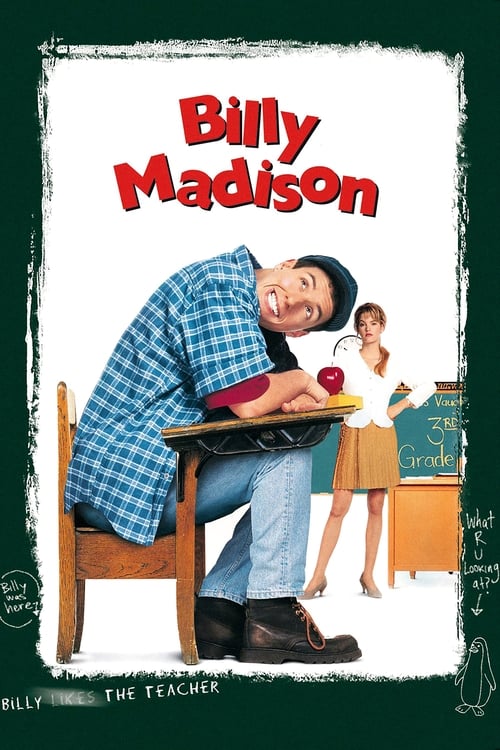
Billy Madison (1995)
Directed by Tamra Davis
Billy Madison is the 27 year-old son of Bryan Madison, a very rich man who has made his living in the hotel industry. Billy stands to inherit his father's empire, but only if he can make it through all 12 grades, 2 weeks per grade, to prove that he has what it takes to run the family business.
11 connections found
View:
11 connections, in both directions
What critics compared Billy Madison to
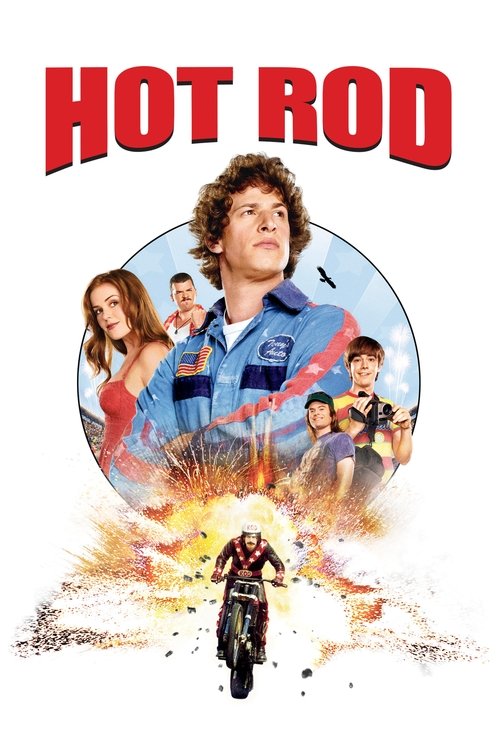


But wait, why am I recounting Hot Rod's nominal story when it's merely a tired rehash of every SNL alum's big-screen debut since Adam Sandler's Billy Madison�replete with the love interest (Isla Fisher's Denise) who finds the hero's mega-immaturity endearing and sexy�as well as wholly beside the point?
Andy Samberg is no Adam Sandler (yet)—or even Jimmy Fallon , his Sandler -wannabe predecessor—and Hot Rod is no Billy Madison .
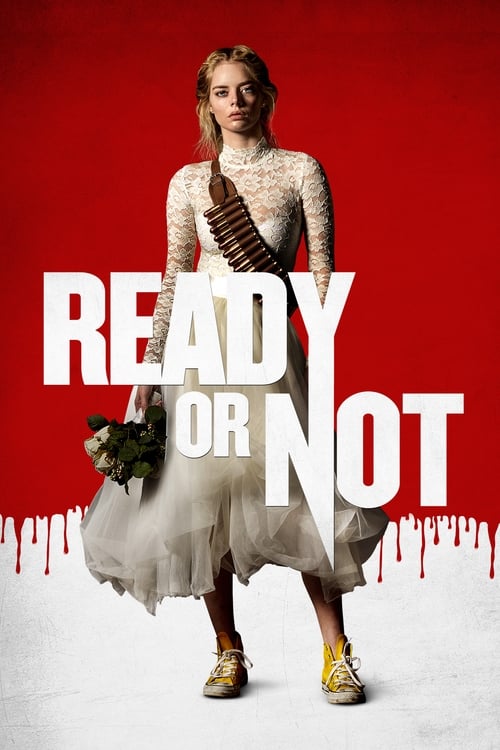
After a brief set up to establish the secret passage packed mansion (which is in Oshawa in real life and is probably best recognized as the house from Billy Madison), the players involved, and the game’s loose and freely interpreted set of rules, Ready or Not is off to the races, bouncing its protagonist around between increasingly deadly situations with various members of the dysfunctional family.
A trivial note to mention is that the mansion the film is shot in is the very same one used in the Adam Sandler comedy, Billy Madison .

This is different, and better, than pure caricature there's a deep sadness in his lack of sophistication because the masquerade of adulthood (the antiquing, the extravagant wedding) seems so familiar, creating a layer of depth and feeling that the outlandish scenarios of Billy Madison or The Waterboy can't accomodate.
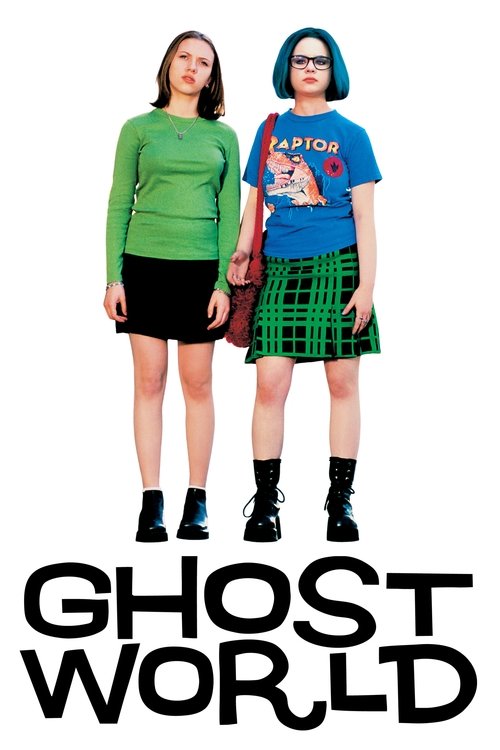
Buscemi almost always improves any movie he's in, whether it's an uncredited turn in an Adam Sandler comedy ("The Wedding Singer," "Billy Madison") or a classic Buscemi creation itself: Chet the Bellhop in "Barton Fink," Mr. Pink in "Reservoir Dogs," Map to the Stars Eddie in "Escape from L.A.," Garland "The Marietta Mangler" Greene in "Con Air," and now simply Seymour in "Ghost World."
Advertisement
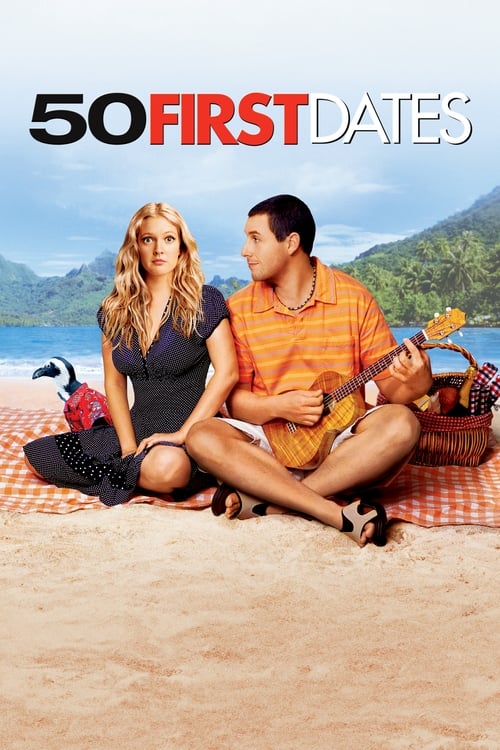
Though the film isn't in the same league as the latter (not much is, really), 50 First Dates is notable in that it combines the off-the-wall humor of films like Happy Gilmore and Billy Madison with surprisingly dramatic moments.
As if to jog our own memories with in-jokes, Sandler also references a character�s Happy Gilmore-like golf swing as the most ridiculous he�s ever seen and performs a subdued "hahahaha...shutup" from Billy Madison on a nosey customer.
Some of his earlier works like “Billy Madison” and “Happy Gilmore” were by no means great films but were at least entertaining for the Adam Sandler fan.
His character has no mental deficiency (see The Waterboy or Billy Madison or Little Nicky) and actually seems like a decent guy, even if he does have a habit of having one night stands and creating elaborate ruses to not have to leave his phone number.
In the end, the Sandler fans who rally around Happy Gilmore and Billy Madison will probably be disappointed, but those who bask in the lighter side of The Wedding Singer and Punch-Drunk Love will find a minor treasure.
In the immortal words of a kid from Billy Madison, 50 First Dates is most assuredly “retarded or something.”
Same with Billy Madison and "Billy Madison" or Nicky and "Little Nicky."
“Happy Gilmore” and “Billy Madison” are classics but lately with terrible films like “Grown Ups” and “Just Go With It”, he’s just been slipping.
Now its just one disappointing comedy after another without the youthful humor of Happy Gilmore or Billy Madison.
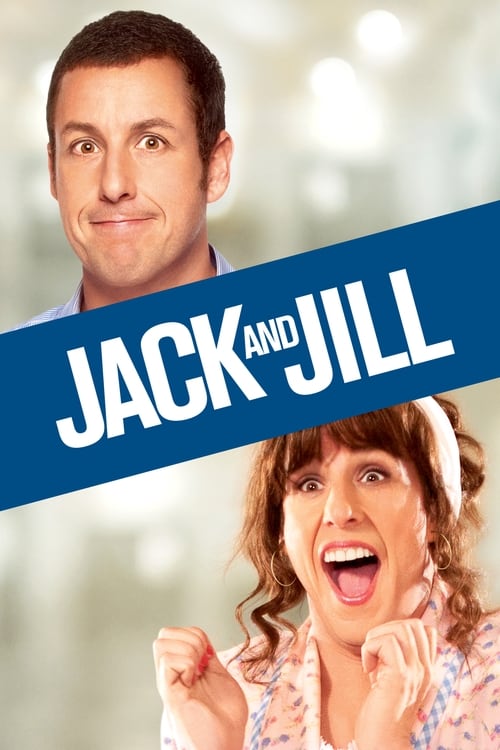
If you liked Adam Sandler's "Happy Gilmore" and "Billy Madison," you'll probably like "Jack and Jill."
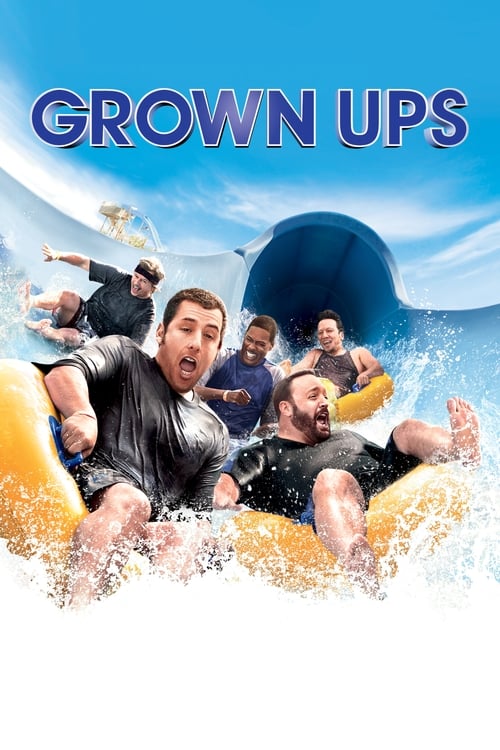
I'll take a little bit of the blame for Grown Ups, as someone who was juvenile enough at the time to not just laugh uproariously at Billy Madison and Happy Gilmore, but take Rob Schneider and David Spade seriously as comedic actors and revere that era of SNL.
Sandler returns to the brand of comedy that made him a powerhouse on the big screen in the late '90s/early 2000s, and while Grown Ups doesn't live up to Waterboy, Happy Gilmore, The Wedding Singer or even Billy Madison, it generates enough laughs to entertain kids looking for an alternative to animated family fare.
He may be 43 and a father, but Sandler remains entrenched in the ribald humor that made him a star in the late '90s with such films as Happy Gilmore , Billy Madison and The Waterboy.
All but gone is the manic, hair-trigger man-child of Billy Madison and Happy Gilmore.
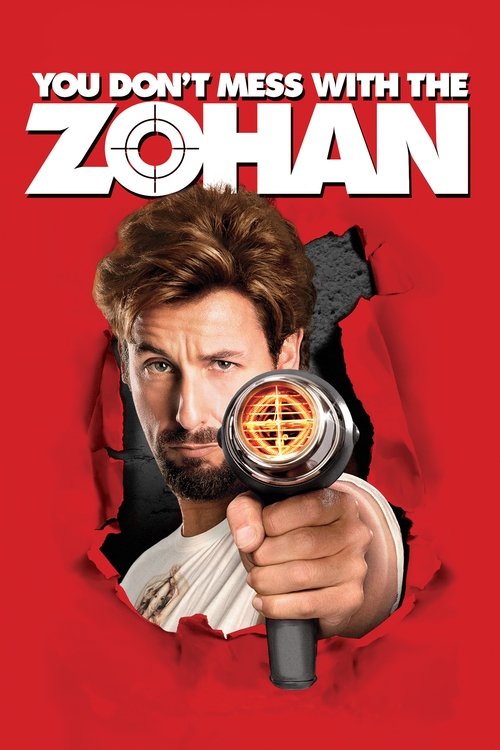
Sandler, erstwhile narcissistic man-child of such films as “Billy Madison,” “Happy Gilmore” and “The Waterboy,” is the eponymous Zohan, Israel i counterterrorist agent extraordinaire.
He makes only three kinds: serious films (like Punch Drunk Love or Reign Over Me), rom coms with Drew Barrymore (like The Wedding Singer or 50 First Dates) and rock-stupid, sophomoric comedies (like Billy Madison or Happy Gilmore).
His latest, You Don't Mess With the Zohan, is certainly far from his worst film, but it doesn't have the life or the creative energy that was on display in his SNL days or even his first two films - Billy Madison and Happy Gilmore - which are still his best.
The filmmaking is crass and artless (a blessing, coming after Tarsem's doodling), but the gonzo gags -- Sandler and friends playing feline Hacky Sack, Turturro gulping down chicks and punching out flames -- are a nice return to the absurdism of Billy Madison and Happy Gilmore.

At the core of the characters Adam Sandler built his film persona with (Billy Madison, Happy Gilmore, The Waterboy) was anger.
With his “golden age” seeming like a bygone era – Billy Madison, Happy Gilmore, I even like The Waterboy – and his brief-but-bold dramatic turns feeling more like cliff notes in his career – Punch Drunk Love, Spanglish – I want to be able to like Adam Sandler again.
The difference is that Billy Madison and Happy Gilmore at least admitted that all these Sandlerian shenanigans were antisocial, and clearly the products of a diseased or at least emotionally stunted mind.
Instead, the same people who lined up to experience such witless wonders as Billy Madison and Happy Gilmore keep coming back, year after year, to see his patented sophomoric shtick.
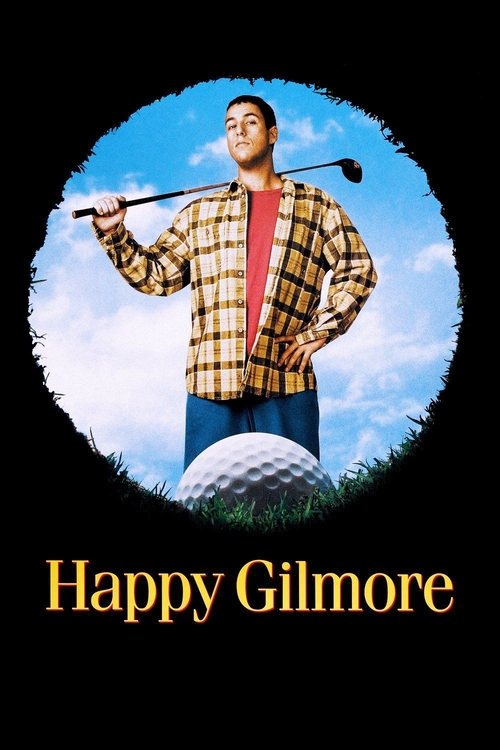
Sandler would build a more comfortable nest for his sense of humor with 1996’s “Happy Gilmore” and hit pay dirt with 1998’s “The Wedding Singer,” but “Billy Madison” was a victorious launch, establishing the gibberish-speaking comedian as a force of nature unwilling to play by the rules.
Mostly, Sandler comes across as a goofy, well-meaning comedian willing to serve his own material rather than overwhelm it: He wrote the script with Tim Herlihy, and this team has clearly come a long way since their maiden effort, "Billy Madison."
First Billy Madison, now Happy Gilmore.
Universal has now re-released two early Sandler films -- Billy Madison (1995) and Happy Gilmore (1996) -- in a two-pack DVD set.
Like “Billy Madison,” “Happy Gilmore” features Adam Sandler when he was younger and more raw.
Unlike comedian Adam Sandler's first offering, the vilely unfunny "Billy Madison," "Happy Gilmore" opens more happily, coming close to hitting a TV-like three laughs per minute.
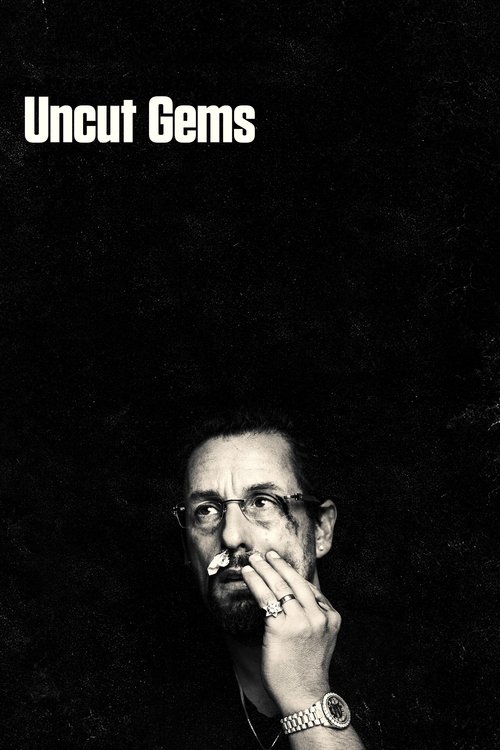
Happy Gilmore and Billy Madison became classics of the 1990s, and many of his romcoms, specifically the Drew Barrymore films, have earned their place in pop culture.
Their artistic ambitions are highly specific, and the kinds of people that adore Adam Sandler movies like Billy Madison and The Wedding Singer will positively despise his newest film.
"Critical" Analysis: Here's a thought experiment: consider the arc of Adam Sandler's career absent the early successes of movies like Billy Madison and Happy Gilmore.
So, with a mix of guts and resourcefulness, the film rips a page out of Paul Thomas Anderson’s Punch Drunk Love playbook and leans into certain Sandlerisms—primarily the idea of a loud, abrasive man-child without a behavioral filter—while placing them in a discombobulating new dramatic and artistic context, like Billy Madison remade as Abel Ferrara’s neo-exploitation classic Bad Lieutenant.
This approach diminishes Sandler’s gift for manic character study and unpredictable comic rhythm; tolerated in “dumb” classics like Billy Madison (1995) and Happy Gilmore (1996), sure, but sadly overlooked in his later works, such as the inclusive, hilarious Zionist parody You Don’t Mess With the Zohan (2008) or his much-maligned, though very charming, gender-switch pantomime Jack and Jill (2011) (which also happens to include Al Pacino’s best 21st-century performance this side of The Irishman ).
It is more fitting than his star-making turns in comedies such as “Billy Madison” and more well-tailored to him than his revelatory sad-sack performance in “Punch Drunk Love”.