
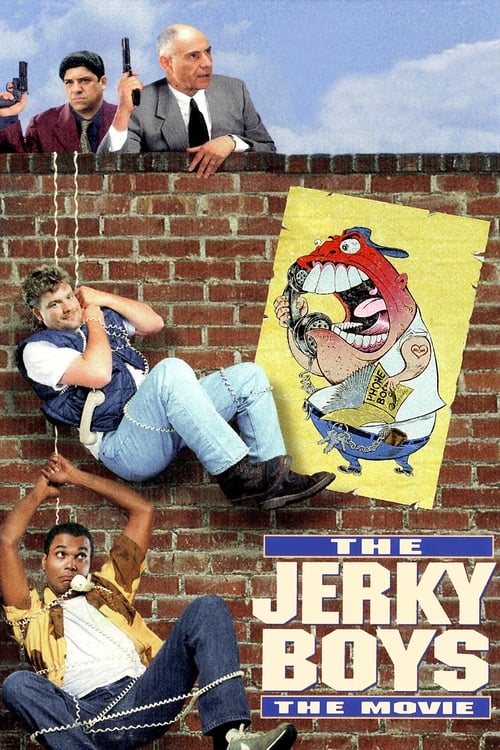
The Jerky Boys (1995)
Directed by James Melkonian
When two unemployed telephone pranksters decide to use their vocal "talents" to impersonate a Chicago mob boss and curry favor with organized crime in New York, the trouble begins. It isn't long before Johnny and Kamal (the "Jerky Boys" of crank call fame) are wanted by the local mafia, the police, and their neighbor.
1 connection found
View:
1 connections, in both directions
What critics compared The Jerky Boys to
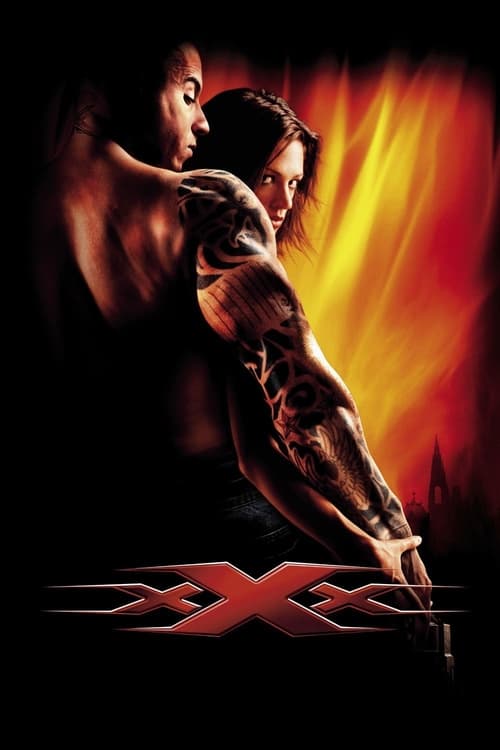

Director Rob Cohen (Miami Vice, Daylight, The Fast and the Furious) and screenwriter Rich Wilkes (The Jerky Boys, Beer Money, Airheads) know their target audience and just how to target them.
Writer Rich Wilkes, who created the masterpiece known as The Jerky Boys movie, instead makes Xander kill a guy with a cigarette-smoking nemesis and clumsily pronounce, "I told him that cigarettes would kill him" - not exactly the next "Hasta la Vista, Baby".
It's too bad that the actor doesn't have a better script - from screenwriter Rich Wilkes ("The Jerky Boys," "Airheads") - or better work from Cohen ("Daylight," "Dragonheart") behind the camera.