
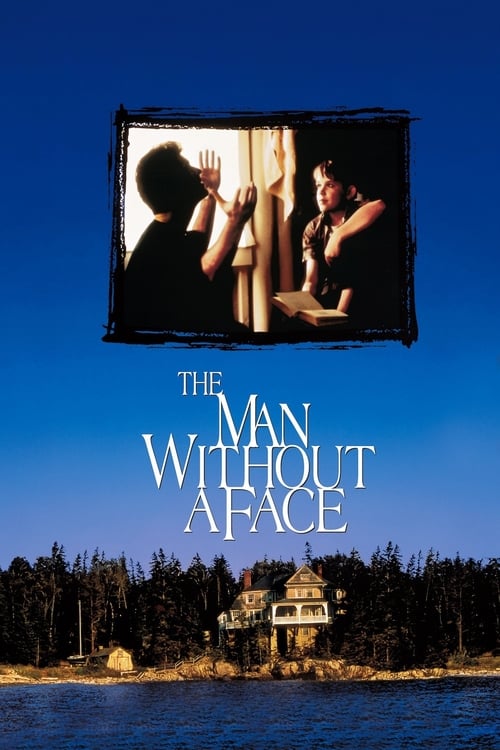
The Man Without a Face (1993)
Directed by Mel Gibson
Justin McLeod is a former teacher who lives as a recluse on the edge of town after his face is disfigured from an automobile accident ten years earlier, in which a boy was incinerated--and for which he was convicted of involuntary manslaughter. Also suspected of being a paedophile, he is befriended by Chuck, causing the town's suspicions and hostility to be ignited.
3 connections found
View:
3 connections, in both directions
What critics compared The Man Without a Face to
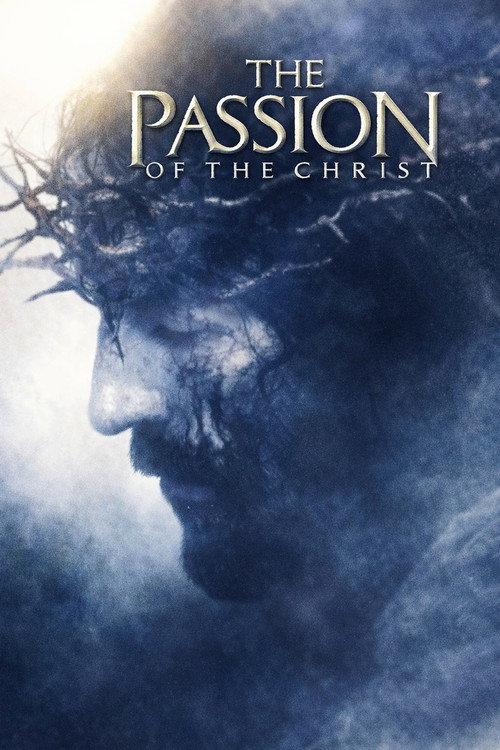


It is also a natural extension of messianic themes explored in his previous films--"The Man Without a Face" and "Braveheart."
The Films of Mel Gibson The Man Without a Face Braveheart The Passion of the Christ (February 23/04) Mel Gibson's done what even Martin Scorsese couldn't do: he's made a film about Jesus that's accessible to both religious and non-religious folks alike.
In the beginning there was The Man Without A Face and from such lowly directorial beginnings, Mel Gibson went on to make Braveheart.
This is the third film that Mel Gibson has directed following The Man Without a Face (1983) and his Oscar-winning Braveheart (1995).
Think of his arms outstretched at the end of Braveheart and the scarred, outcast teacher in The Man Without a Face (both of which he directed.)
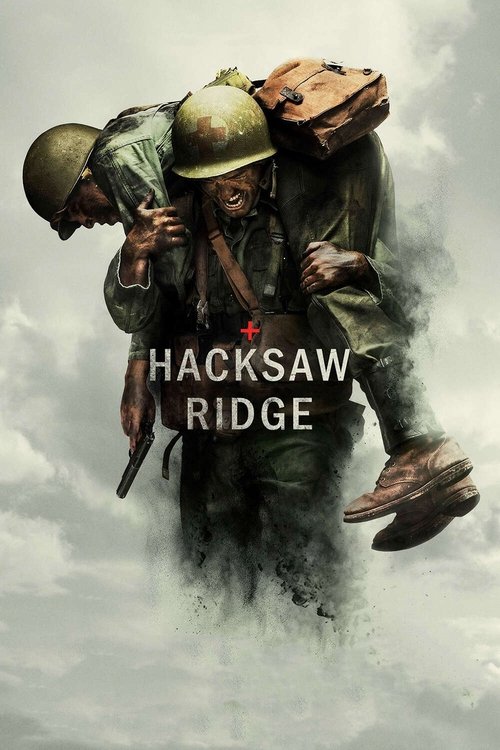
(It’s the first time since his directorial debut, 1993’s The Man Without a Face, that he’s embraced such homespun sentimentality.)
The central figure in Gibson’s work from behind the camera has always been the ideologically persecuted man whose intense physical suffering (or, in the case of The Man Without a Face, scarring) consecrates his steadfast values.
Instead, Gibson is lured by the temptations of war violence rendered cinematic, which shouldn’t be surprising given that every film he has directed since his debut The Man Without a Face (1993) has been defined primarily by the intensity of its bloodshed.
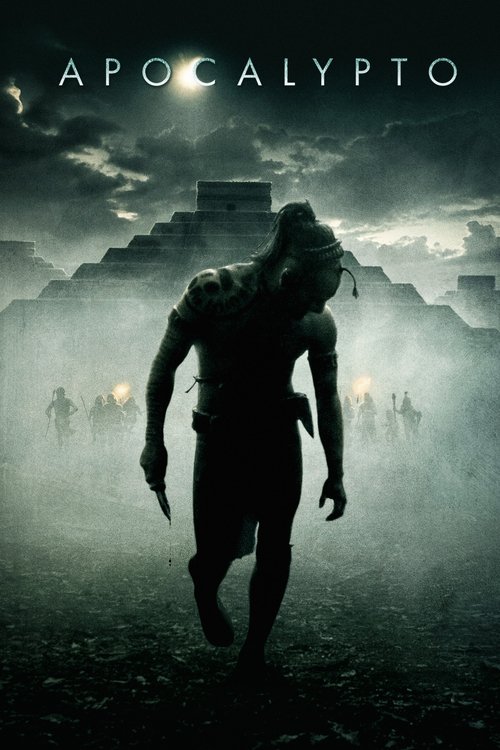
Many have speculated, and with little consensus, as to why Mel Gibson's efforts as a director have grown bloodier and bloodier with each successive film – from the bloodless The Man Without a Face to the sporadically gruesome Braveheart to the unrelenting brutality in The Passion of the Christ.
All four of the films Gibson has directed—including The Man Without a Face and Braveheart—have been, at least to some degree, about father-son relationships and the role they play in shaping what it means to be a man.
Yes, I know he’s appeared in other styles of films, such as Hamlet (1990) and The Man Without a Face (1993), but Gibson has chosen to put his time, money and reputation into a succession of films, in which violence, bloody dismembered bodies, sadism, fear and revenge predominate.
Only now, after the graphic displays of extreme physical torture in Apocalypto and The Passion of the Christ, can we really notice Gibson's fixation on the scarification of the flesh in his two earlier films, Braveheart and The Man Without a Face.