

Darkman (1990)
Directed by Sam Raimi
Dr. Peyton Westlake is on the verge of realizing a major breakthrough in synthetic skin when his laboratory is destroyed by gangsters. Having been burned beyond recognition and forever altered by an experimental medical procedure, Westlake becomes known as Darkman, assuming alternate identities in his quest for revenge and a new life with a former love.
3 connections found
View:
3 films that influenced Darkman
What critics say influenced Darkman
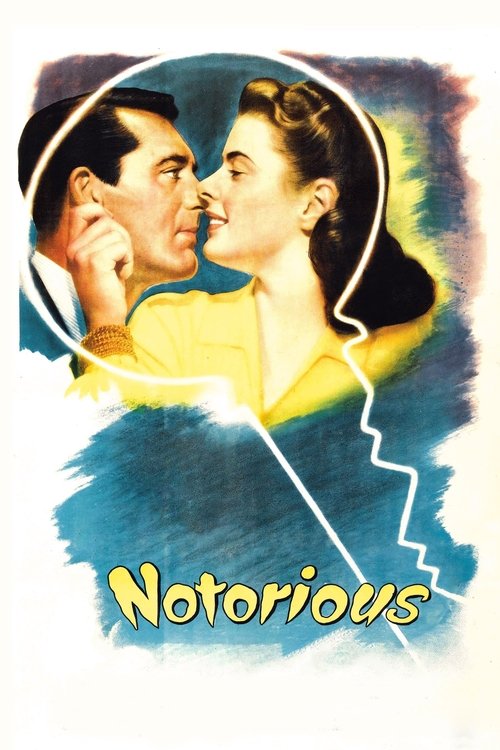


Raimi beats us over the head with that theme often, but as a cartoon this is perfectly acceptable—this isn't exactly in the same territory as Notorious , but I can imagine the Master of Suspense enjoying Raimi's work here.

But that summary hardly hints at what is in store as we are talking about a film that draws its inspirations from all over the place — The Shadow , Tim Burton’s Batman, The Phantom of the Opera , comic books, pulp novels, and horror films and who knows what else.
And like Tim Burton's Batman (and unlike Richard Donner's Superman and Bryan Singer's X-Men), Darkman is a comic book come to life -- it borrows the visual style of its graphical cousin: the angles, the lighting, even the attempt to depict inner turmoil, as in the funhouse journey through Peyton's brain that shows us his rage and emotional upheaval.
From its inspired visuals to its comic book sensibility, Darkman is a unique and highly-entertaining movie that went where Tim Burton‘s Batman couldn’t and a full decade before it became popular, a superhero film with real edge.
With 1990’s Darkman, Raimi capitalized on both the cult success of his Evil Dead films and the post-Batman acceptance of superheroes, creating an inspired hybrid of The Hulk, Daredevil, Moon Knight, and Universal monster movies (distributed by Universal, no less).
A year after Tim Burton’s BATMAN, Raimi’s own dark avenger character arrived, although Darkman owes more to pulp serial characters like The Shadow and to vintage horror movies like THE INVISIBLE MAN (and maybe even a little to David Lynch’s THE ELEPHANT MAN?) than to cleaner-cut do-gooders like Spider-Man or Batman.
You had Tim Burton’s “Batman,” but not much else.
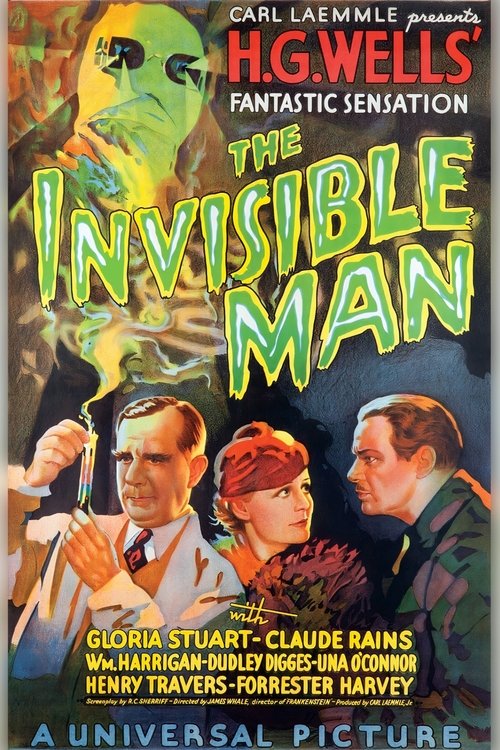
Darkman owes as much to The Invisible Man (1933) or Phantom of the Opera (1943) (with perhaps a dash of the Dr Phibes films for good measure) as it does to Batman or The Shadow , thanks to Darkman ‘s bandage-swathed appearance, flowing black cape and Gothic base of operations.
''Darkman'' invites the comparison, an odd strategy for an ambitious and self-consciously old-fashioned film whose hero spends much of his time looking like Claude Rains in ''The Invisible Man.''
It mixes camp with blockbuster live-action scenes and draws on the scenario of the 'misunderstood monster,' that is best seen in Whale' wonderfully creative and sensitive version of "Frankenstein" (31) and his ''The Invisible Man" (33) that has Claude Rains in a quandry on how to handle his new look.