
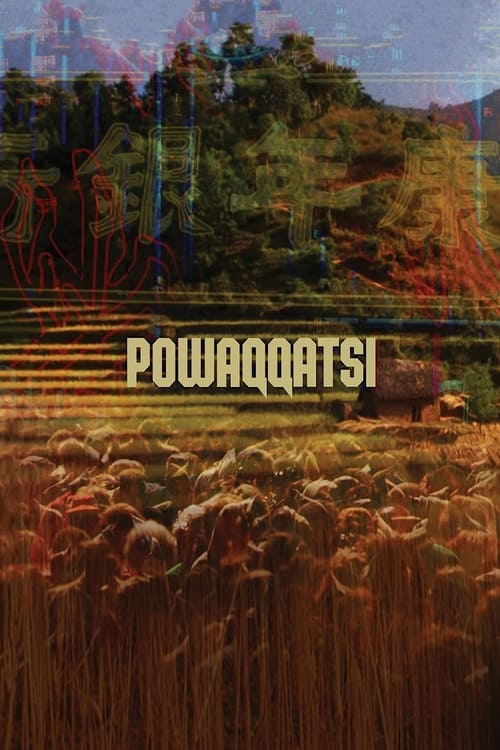
Powaqqatsi (1988)
Directed by Godfrey Reggio
An exploration of technologically developing nations and the effect the transition to Western-style modernization has had on them.
1 connection found
View:
1 connections, in both directions
What critics compared Powaqqatsi to



With 1982’s Koyaanisqatsi (“life out of balance”) and 1988’s Powaqqatsi (“life in transformation”), Reggio considered modern man’s broken relationship with nature, contrasting footage of cities and remote villages with majestic shots of animals and natural wonders.
Filmgoers might be familiar with Reggio’s name from his previous three films — “ Koyaanisqatsi ,” “ Powaqqatsi ” and “ Naqoyqatsi ” — which coined a cinematic language all their own, combining a cascade of images, stream-of-consciousness editing, time-lapse photography and the ever-present Glass score, an evocative ostinato of moody foreboding.
Remember all those “Qatsi” movies – “Koyaanisqatsi,” “Powaqqatsi,” and “Naqoyqatsi”?
Godfrey Reggio's experimental "Qatsi" trilogy (" Koyaanisqatsi " (1982) " Powaqqatsi " (1989) and "Naqoyatsi" (2002)) made visual statements about the violent ways man has brought technology to bear upon the natural world and his own race.
Produced in a retina-searing grayscale widescreen format, Godfrey Reggio’s very, very cold “Visitors” ought to be seen from as far away as possible, perhaps at the back of an orchestra hall where Philip Glass is conducting the score live, or, depending on your taste for this kind of eye-dandy eye-candy, from several blocks away, with many thick walls blocking the view of the latest philosophical staredown from the monk-turned-film-essayist of three decades who compiled “Koyaanisqatsi,” “Powaqqatsi” and “Naqoyqatsi.”
They ended up doing a “Qatsi” trilogy, following “Koyaanisqatsi“with “Powaqqatsi” and “Naqoyqatsi,” each with diminishing returns.