
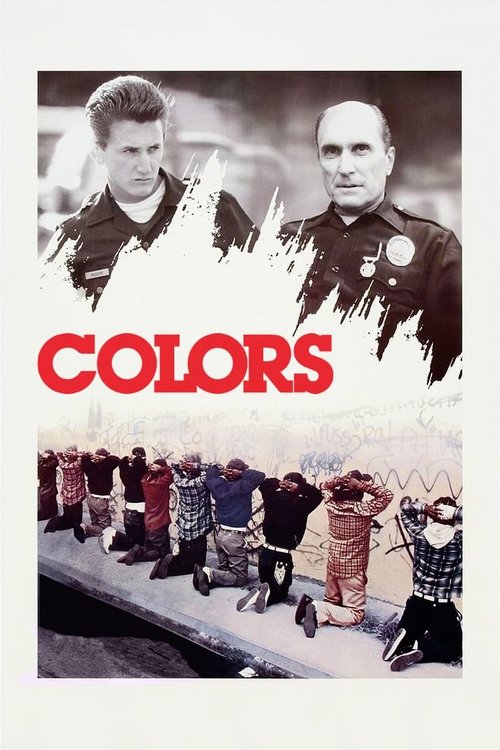
Colors (1988)
Directed by Dennis Hopper
A confident young cop is shown the ropes by a veteran partner in the dangerous gang-controlled barrios of Los Angeles, where the gang culture is enforced by the colors the members wear.
1 connection found
View:
1 connections, in both directions
What critics compared Colors to
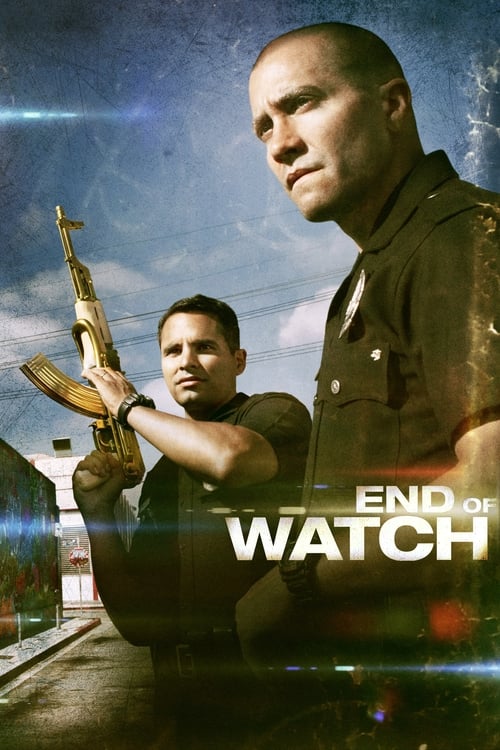


It’s telling that the movie ends not with a shootout or its aftermath, but two cops talking about a hilarious dating mishap (much the same way Dennis Hopper ended his 1988 cop drama “Colors”).
He has an intuitive sense of the omnipresence of urban danger and the virus-like nature of poverty and crime, and his screenplay for End of Watch evinces a fascination with the detailed in’s and out’s of policework and the tense relationship patrol officers have with the mean streets they are sworn to protect (in this regard, it is similar to Dennis Hopper’s Colors from 1988).