
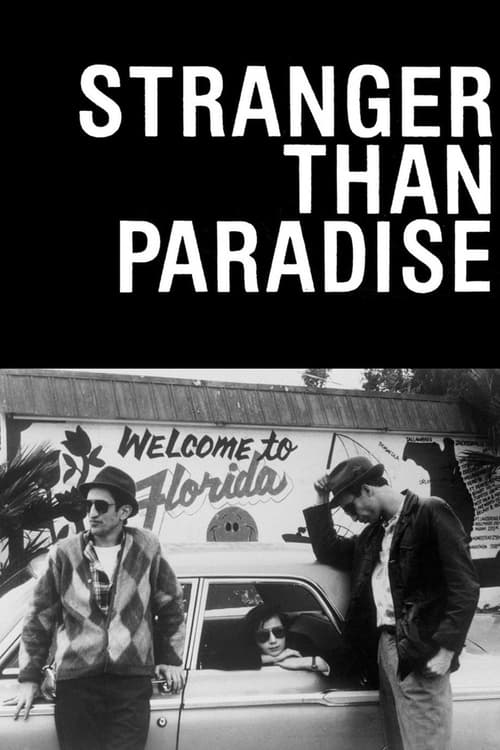
Stranger Than Paradise (1984)
Directed by Jim Jarmusch
New York layabout Willie forms an unexpected bond with his young Hungarian cousin Eva when she pays him a surprise visit. Later, Eva moves in with their aunt in Cleveland, and Willie takes his best friend Eddie to see her—a visit that culminates in a strange, eventful trip to Florida.
5 connections found
View:
5 connections, in both directions
What critics compared Stranger Than Paradise to
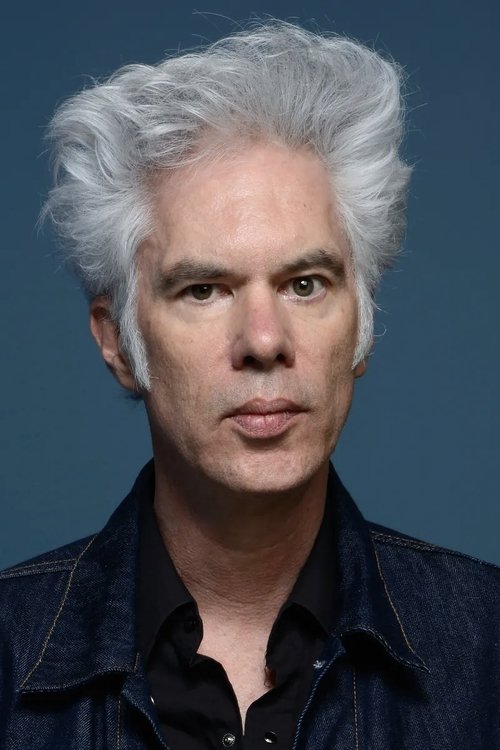


Since Stranger than Paradise, the 1984 comedy that gestured half-heartedly in the direction of road movie and buddy movie without committing to either, his work (including the western Dead Man and the vampire film Only Lovers Left Alive) has occupied a kind of negative space, defined more by what it isn’t than by what it is.
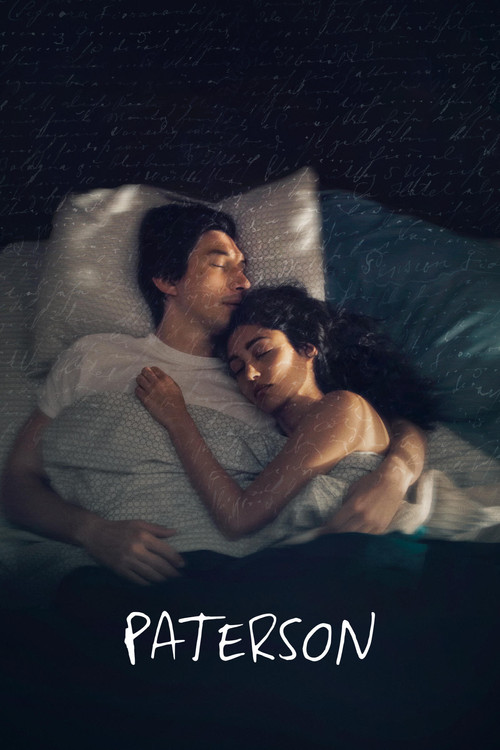
Paterson is the 12th feature from indie filmmaker Jim Jarmusch (Broken Flowers, Stranger Than Paradise and Dead Man) and takes his minimalist style to another level.
His characters are often loners ( Only Lovers Left Alive ), reprobates (Down by Law) or more often than not, misanthropes (Broken Flowers and Stranger than Paradise).
In his best work (“Stranger Than Paradise,” “Mystery Train,” the recent “Only Lovers Left Alive”), that undead Jarmusch pace was organic.
They have always operated on their own laconic timeline, whether John Lurie’s beat slacker from Stranger Than Paradise, Bill Murray’s baffled depressive from Broken Flowers or the vampire beauties of Only Lovers Left Alive.
His trademark is his volatility, but Paterson doesn’t have a confrontational bone in his body; here, Driver taps into the aimless vibe embodied by John Lurie in Stranger Than Paradise, minus the coolness.
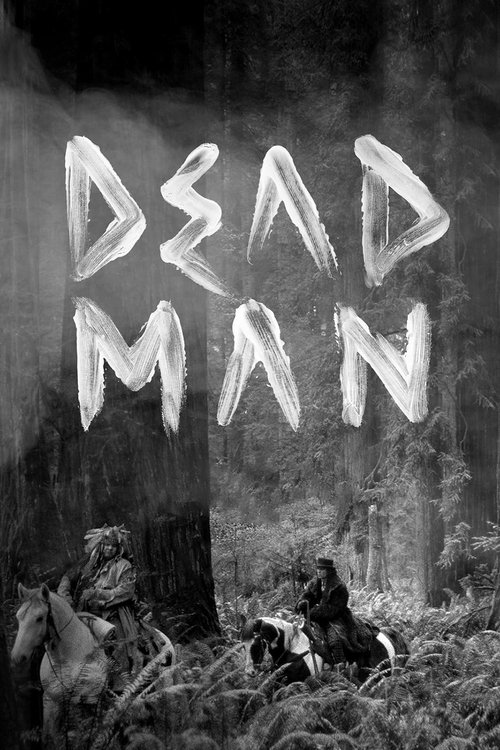
Ever since his "discovery" at the 1983 Cannes Film Festival with the quirky "Stranger Than Paradise," we've been able to count on American independent filmmaker Jim Jarmusch to show us something we haven't seen before.
Back in 1984, the jokey, dilapidated ennui of Jarmusch's Stranger Than Paradise expressed the go-nowhere spirit of a more frazzled era; in a sense, it was the last true movie of the '70s.
(His debut Stranger Than Paradise (1984) was actually began as a short film that he added onto.)
In their quest for meaning, Nobody and Blake aren't so very different from the lost souls who populate Jarmusch's "Stranger Than Paradise" and "Down by Law."
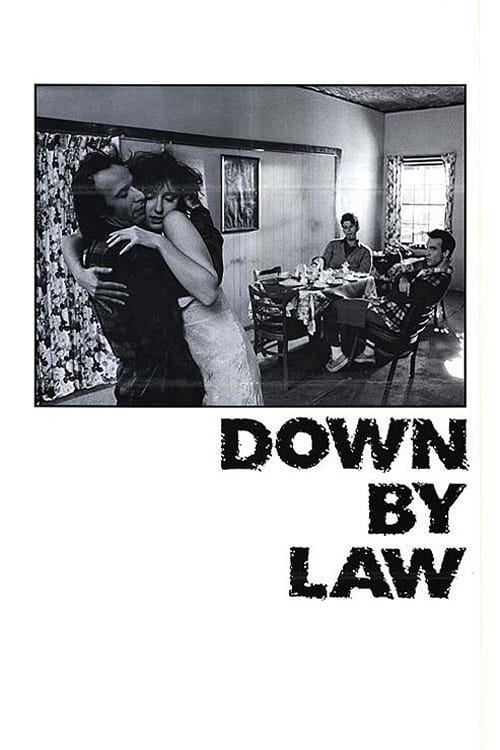
American independent director Jim Jarmusch leaped onto the world cinema stage with the idiosyncratic deadpan road movie Stranger than Paradise in 1984 and then followed it up with the equally distinctive prison break movie Down by Law in 1986.
“Down By Law” was Jarmusch's follow up to his indie breakthrough “Stranger Than Paradise,” the laconic, low budget feature that propelled him to unlikely stardom, and it repeats many of the same themes and setups.
Combine thestunning success of "Stranger Than Paradise" (which was named Best Picture by the National Society of Film Critics in 1984) with the decision by its director, Jim Jarmusch, to make films outside the Hollywood system, and you get a lot of people rooting for him to fall on his face.
In fact, it is sort of the film by Jim Jarmusch; although his second feature, Stranger Than Paradise , that won him the Camera d'Or at Cannes and made him an international figure, it was this third feature that turned him into a brand name, and confirmed the extremely characteristic style that its predecessor established.
Jim Jarmusch's Stranger Than Paradise follow-up (1986), about three small-time cons (John Lurie, Tom Waits, Roberto Benigni) who bust out of jail, only to find that life on the outside isn't any more interesting than life indoors.

Don't think writer/director Jim Jarmusch ("Stranger Than Paradise") is jumping on the vampire bandwagon.
A fixture on the indie scene for 30 years — his first film, Permanent Vacation, was released in 1980, but it was 1984's Stranger Than Paradise that put him on the map (see this issue's cover story) — Jarmusch makes films that are often difficult to accurately describe and even tougher to pigeonhole.
Jarmusch has certainly written some great dialogue in his time, but when I look at my favorites of his, Stranger than Paradise (1984), Dead Man (1996), Ghost Dog (1999), and Broken Flowers (2005), I think of so many passages of quiet, or of things unsaid.
"Only Lovers Left Alive" is exactly the sort of picture about bloodsuckers you'd expect from the director of "Stranger Than Paradise."
“Only Lovers Left Alive” detours from the travel narratives of Jarmusch’s “Stranger Than Paradise,” “Dead Man,” “Broken Flowers” and “The Limits of Control.”
Hipster filmmaker Jim Jarmusch (Down by Law, Stranger Than Paradise, Broken Flowers ) is back in form and delivering cinematic cool with Only Lovers Left Alive, his first vampire foray.
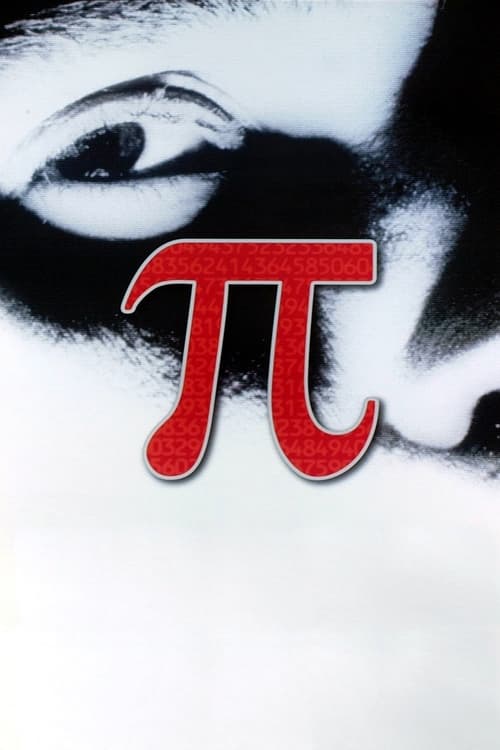
To get an idea of the director in case you have never seen him before, imagine the cinematography originality of Jim Jarmusch's Stranger than Paradise mixed with the perfect dialogue of Kevin Smith 's Clerks and the bizarre and cryptic storyline of David Lynch's Eraserhead .