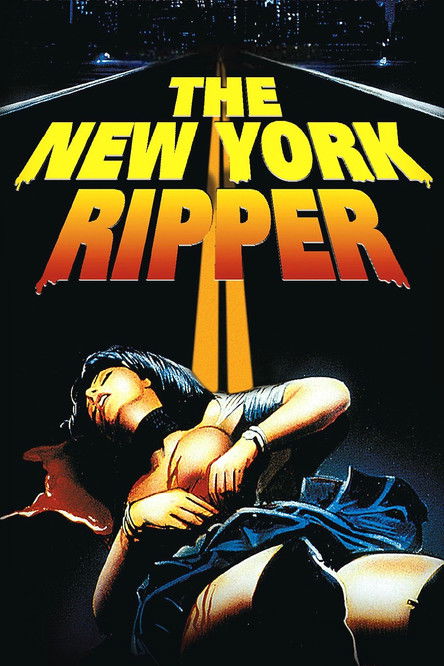
The New York Ripper (1982)
Directed by Lucio Fulci
A burned-out New York police detective teams up with a college psychoanalyst to track down a vicious serial killer randomly stalking and killing various young women around the city.
4 connections found
View:
4 connections, in both directions
What critics compared The New York Ripper to
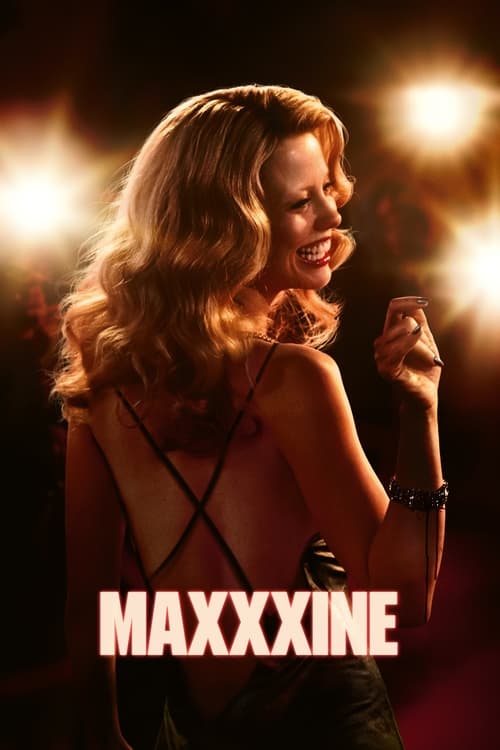


In addition to its many cultural signifiers (New Coke! John Parr’s theme song from “St. Elmo’s Fire”! Cocaine!), “MaXXXine” also homages many different directors and films of the period—the most glaringly obvious to me being Vernon Zimmerman’s “Fade to Black” (1980), Lucio Fulci’s “The New York Ripper” (1982), Gary Sherman’s “Vice Squad” (1982), Robert Vincent O’Neil’s “Angel” (1983), and Brian De Palma’s “Body Double” (1984).
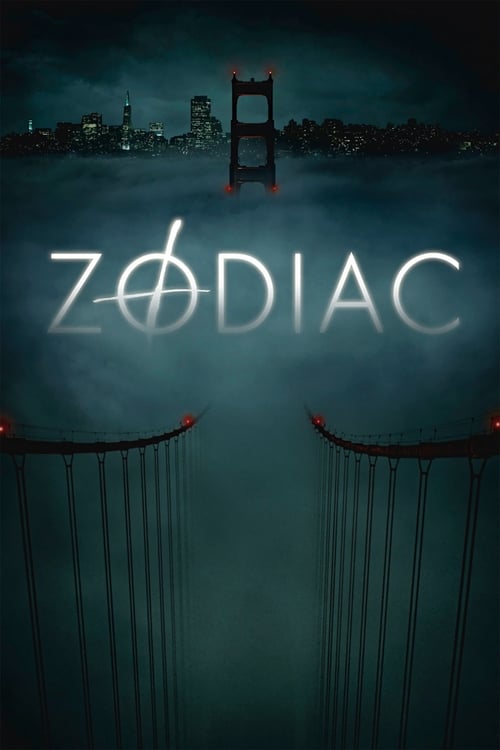
There's little of the invasive intensity of Lustig's Maniac or Fulci's The New York Ripper, but there isn't meant to be -- Zodiac traces the crime through Southern California and throughout the 1970s, and deliberately dilutes the tension with ongoing temporal jumps ("8 months later... 11 hours later... 1 day later") emphasizing not the escalating spread of fear but the numbing feel of a flailing bureaucratic investigation.
As a result, films like Maniac , The Evil Dead , Cannibal Holocaust , and The New York Ripper were either cut, edited, or banned altogether.
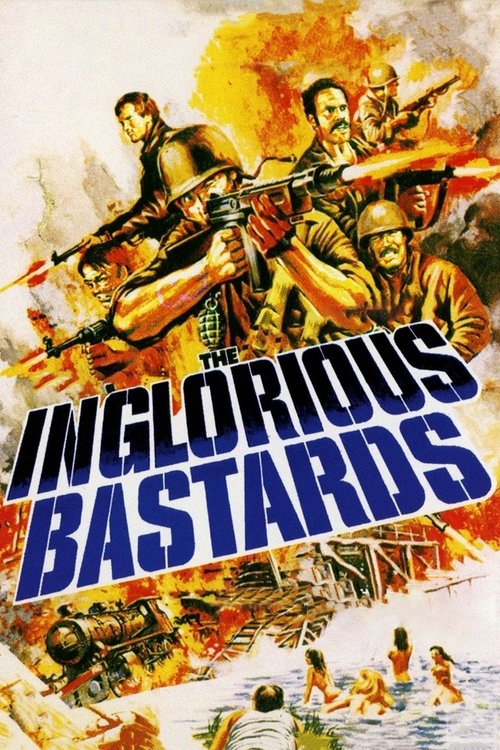
Another key collaborator on The New York Ripper was composer Francesco De Masi whose other notable scores include, The Weekend Murders , The Inglorious Bastards and Lone Wolf McQuade .