

Mad Max 2 (1981)
Directed by George Miller
Max Rockatansky returns as the heroic loner who drives the dusty roads of a postapocalyptic Australian Outback in an unending search for gasoline. Arrayed against him and the other scraggly defendants of a fuel-depot encampment are the bizarre warriors commanded by the charismatic Lord Humungus, a violent leader whose scruples are as barren as the surrounding landscape.
8 connections found
View:
8 connections, in both directions
What critics compared Mad Max 2 to
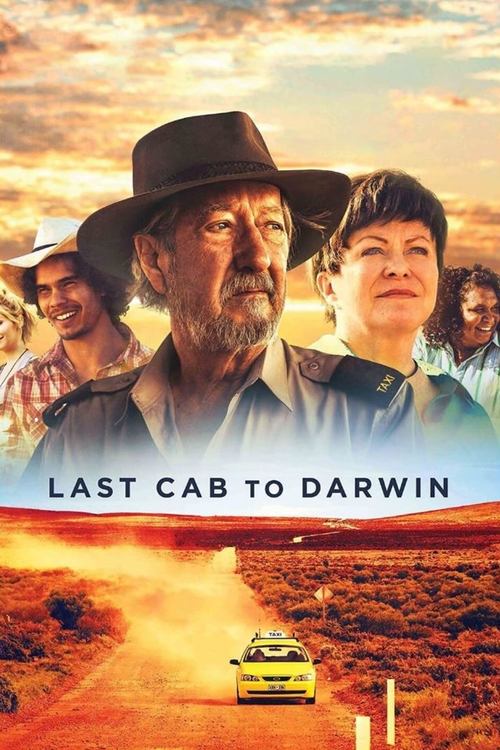


Six hundred eighty-four miles west of Sydney and hard on the border of South Australia, the picturesque town is also, tangentially, a stone’s throw from the sites used for “Mad Max 2: The Road Warrior.”
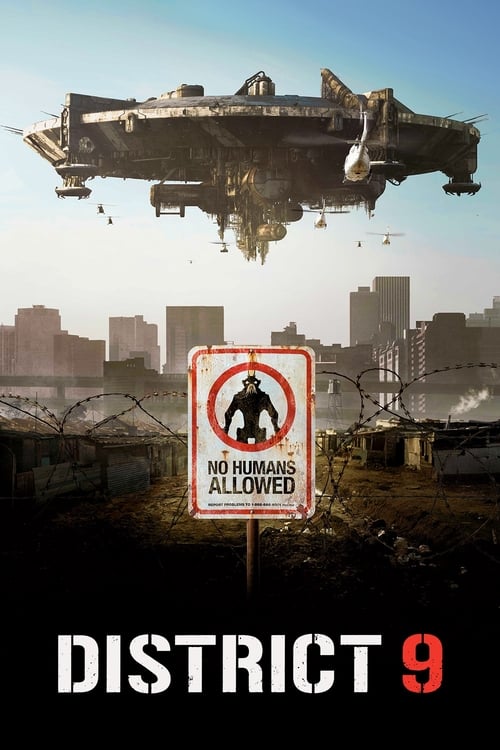
The last time I felt the sort of outrageously kinetic action-movie high "District 9" delivers, it was 1981 and George Miller, Mel Gibson, and "Mad Max 2: The Road Warrior" had just come roaring out of Australia.
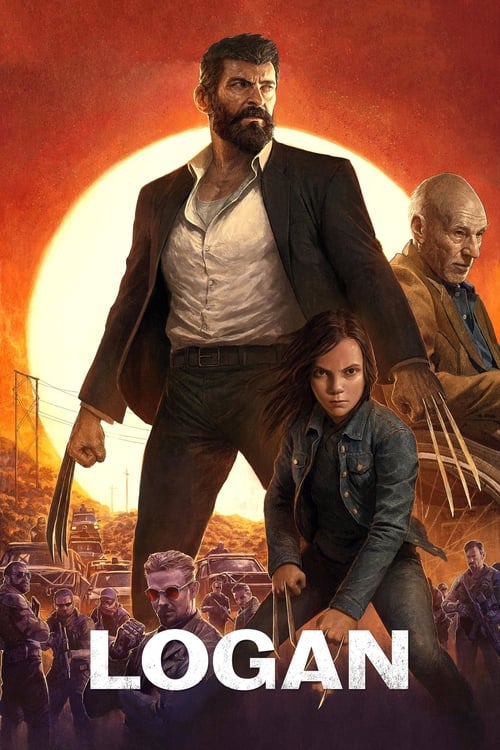
Keen offers a compellingly ferocious, near dialogue-less performance, coming across as a combo of the feral kid from Mad Max 2: The Road Warrior and Eleven from Stranger Things .

I must say Captain Boomerang (Australian actor Jai Courtney) is the first boomerang-wielding superhero I've seen, but his skills are no keener than those of the feral Boomerang Kid who helped take out the bad guys in Mad Max 2: The Road Warrior.
Advertisement
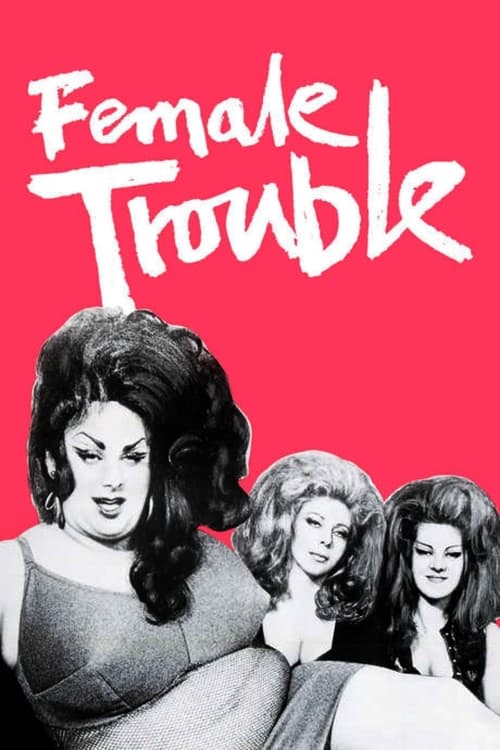
Valley of the Dolls meets Female Trouble in this all-male semimusical romp.
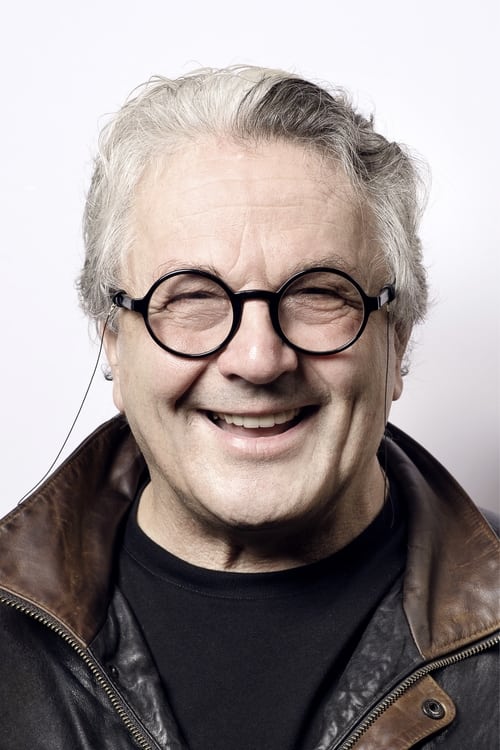

Wisely, Miller and his co-writers (the comicbook artist Brendan McCarthy and original “Mad Max” actor Nico Lathouris) seem to have taken their cues from the spare yet sturdy narrative architecture of the series’ acknowledged high point, “Mad Max 2: The Road Warrior” (1981), whose influence can be felt even in the new film’s bare-bones prologue.
While Hardy handily takes the wheel from Mel Gibson, who played him in the debut as well as in 1981’s “Mad Max 2: The Road Warrior” and 1985’s “Mad Max Beyond Thunderdome,” it is the women who power “Fury Road.”
Our hero is minding his own business, standing alone in the desert munching on a two-headed lizard, when he’s suddenly swept up into the same basic conflict as in the original Mad Max, Mad Max 2: The Road Warrior, and Mad Max Beyond Thunderdome: big bullies chasing smaller bullies in a wasteland called Wasteland.
This isn’t really a sequel to the three previous movies — the low-budget “Mad Max” (1979), the hugely influential “Mad Max 2: The Road Warrior” (1981) and the Tina Turner-tastic “Mad Max Beyond Thunderdome” (1985) — nor is it a remake.
George Miller was the mastermind behind three earlier films: Mad Max (1979), Mad Max 2: The Road Warrior (1981) and Mad Max Beyond Thunderdome (1985).
Mad Max 2: The Road Warrior , followed in 1981, deepening devotees’ affection for the character and his car.

Working with an estimated pittance of just $300, 000, George Miller--who also would go on to direct the more appropriately funded "Mad Max 2: The Road Warrior" and "Mad Max Beyond Thunderdome" (in addition to the much later and cheerier "Happy Feet")--created a film that revels in its small-picture shortcomings.
Set a few years after Mad Max (which looks primitive by comparison), Mad Max 2 concerns a strange post-industrial future where motorised warlords scour the deserts for fuel.
George Miller's 1981 sequel to his 1980 sleeper, Mad Max.
The Mad Max trilogy is pure adrenaline - a quality that was not lost when the franchise received an injection of American money for its third installment.
An origin story, essentially, Mad Max serves as the setup for the far superior Mad Max 2: The Road Warrior .
The second in George Miller's Mad Max trilogy is less melodramatic than the first and far grittier and more sustained than the third.
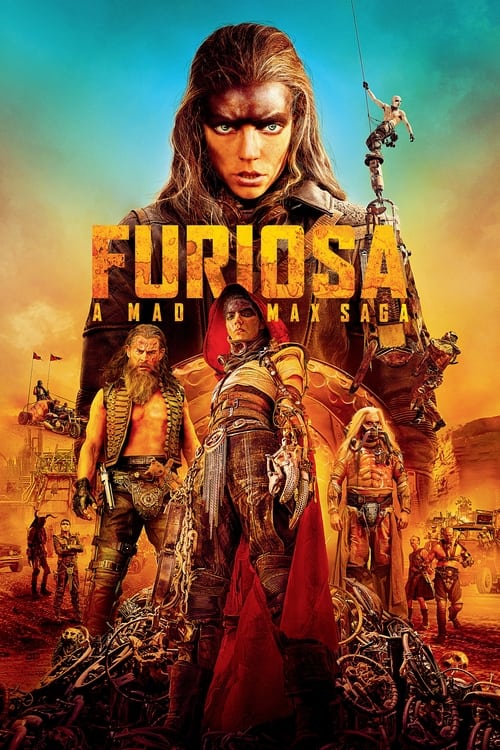
Returning to New South Wales for filming (whereas Fury Road’s backdrop came courtesy of Namibia), just as it was for 1981’s Mad Max 2, director and Mad Max co-creator (along with Byron Kennedy, RIP) George Miller opens the Furiosa story with an overhead shot of a barely detectable green strip of land in the midst of an otherwise barren landscape.