
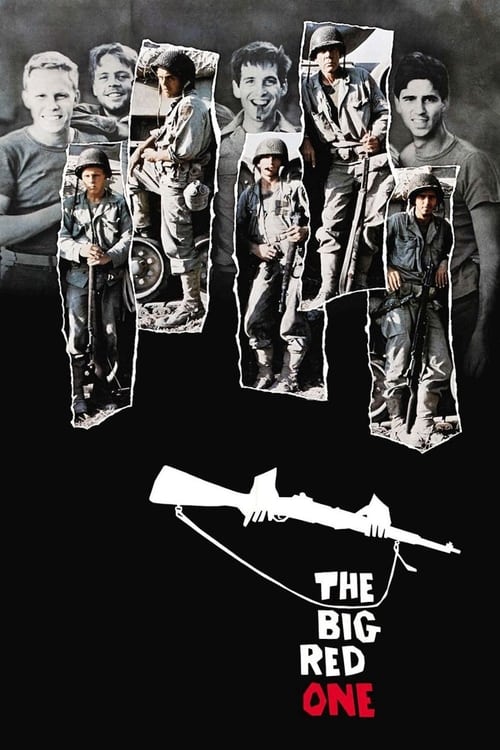
The Big Red One (1980)
Directed by Samuel Fuller
A veteran sergeant of World War I leads a squad in World War II, always in the company of the survivor Pvt. Griff, the writer Pvt. Zab, the Sicilian Pvt. Vinci and Pvt. Johnson, in Vichy French Africa, Sicily, D-Day at Omaha Beach, Belgium and France, and ending in a concentration camp in Czechoslovakia where they face the true horror of war.
10 connections found
View:
10 connections, in both directions
What critics compared The Big Red One to


The Platoon parallels are the most obvious, right down to the final shot, while an early scene depicting a recent battlefield was reminiscent of everything from Patton to The Big Red One.
It’s also, intentionally I think, a nod to Samuel Fuller’s war-movie milestone The Big Red One, which similarly placed an anachronistic equine amidst the red-misted fog of war.
He’s trying for the grit and grandeur and surprise of latter-day American war films — Apocalypse Now, The Big Red One, Platoon, Saving Private Ryan, Inglourious Basterds.
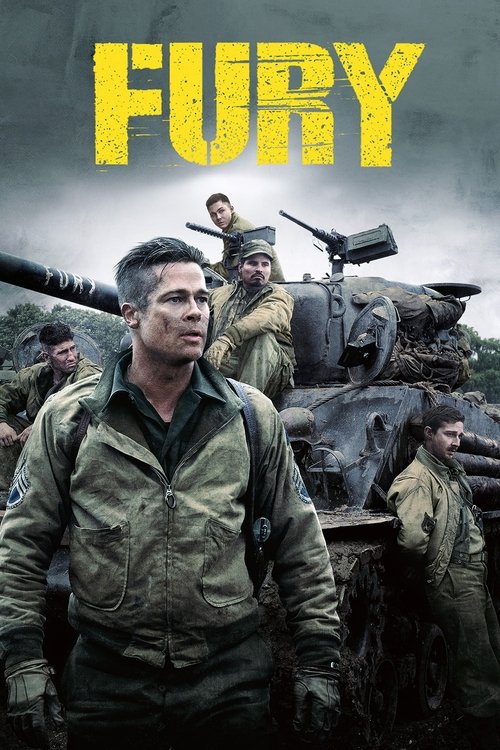
Much of Fury hangs on Pitt, and he carries the load dutifully, though Wardaddy’s dicy blend of blood-lusting avenger and reflective soul never fully marry, which is true of much of Ayer’s vision; it never quite registers the true organic essence of men in war the way “alternative” WW II gems like The Big Red One and Peckinpah’s Cross of Iron do.
“Fury” is more like Sam Fuller’s personal war memoir, “The Big Red One” — straightforward, less poetic, an action film with a hint of humanity and history that is fast receding from view.
(This movie also looks like it smells really bad.) Adopting the rambling, anecdotal structure of Sam Fuller’s The Big Red One, Fury works best when it’s a shapeless chronicle of surreal, day-to-day horrors.
They Were Expendable (1945) and The Big Red One (1980) are among the best World War II movies ever made, and were directed by men who actually served in the war (John Ford and Samuel Fuller, respectively).
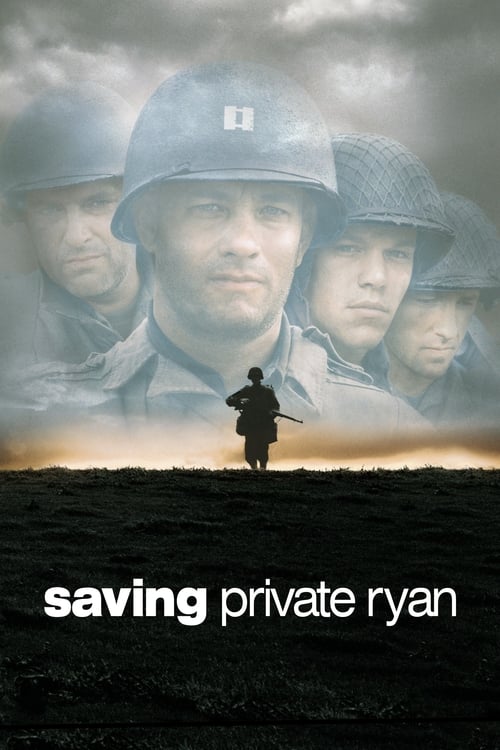
Saving Private Ryan has the budget and the production values, but if you want a World War II story from a real vet’s perspective, Sam Fuller is still the man and The Big Red One, drawn from his own war experiences, is the film.
Note: I wrote the above review in 1998, just after Fuller's death and just before the release of a pair of new WWII movies, Saving Private Ryan and The Thin Red Line.
(If the vast differences between The Big Red One and Steven Spielberg�s Saving Private Ryan, between which comparisons are inevitable if only because of their Omaha Beach scenes, can be reduced to a single issue, it�s this.)
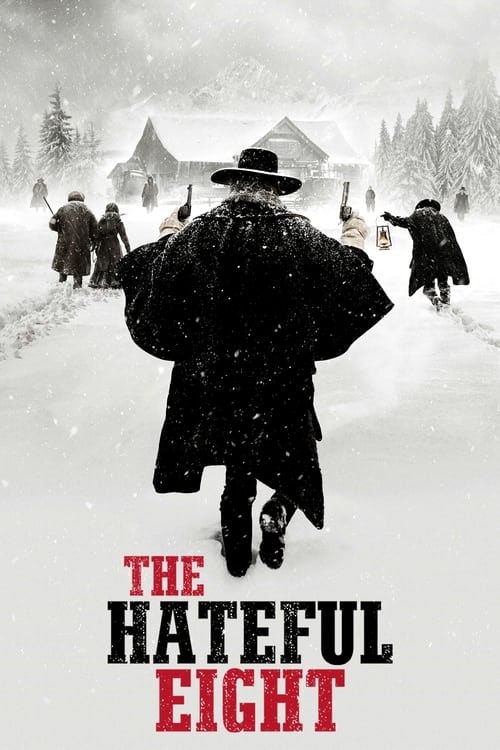
The movie’s first image following the overture is a rude roadside statue of the crucified Christ, evoking the prologue of Sam Fuller’s The Big Red One (1980), but ain’t nobody turning the other cheek here.
Es cierto que aún recopila imágenes de otras películas: está La diligencia (Stagecoach, 1939), de John Ford en el viaje a la cabaña y también Más allá de la gloria (The Big Red One, 1980), de Samuel Fuller, en la imagen inicial de una cruz, pero es la repetición de un estilo que ya conocemos.

Then there are quotes from Hollywood and British WWII films by Robert Aldrich (The Dirty Dozen, natch), Samuel Fuller (The Big Red One, etc.), Michael Powell (The Life and Death of Colonel Blimp), and Ernst Lubitsch (To Be or Not to Be), for starters.
Some of the movies Tarantino alludes to are The Big Red One, The Dirty Dozen, The Guns of Navarone, To Be or Not to Be, Sergeant York, and a bevy of others.
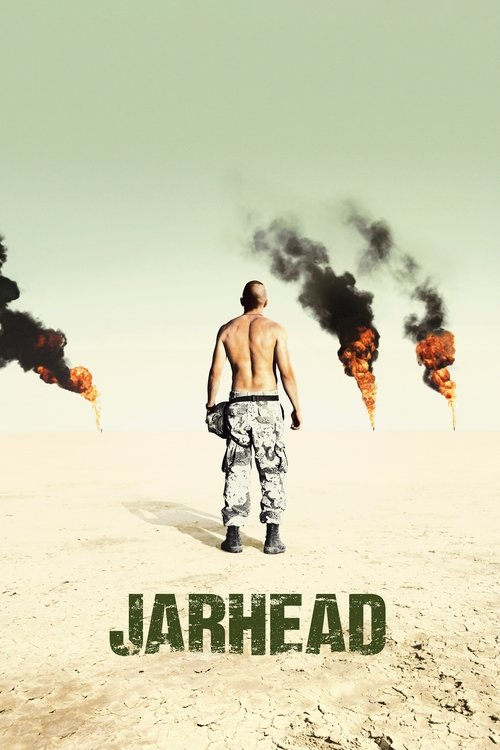
John Ford, John Huston and Samuel Fuller actually served during World War II, and their war films tend to ring with a certain kind of inner understanding, most notably seen in Fuller's masterful memoir The Big Red One (1980).
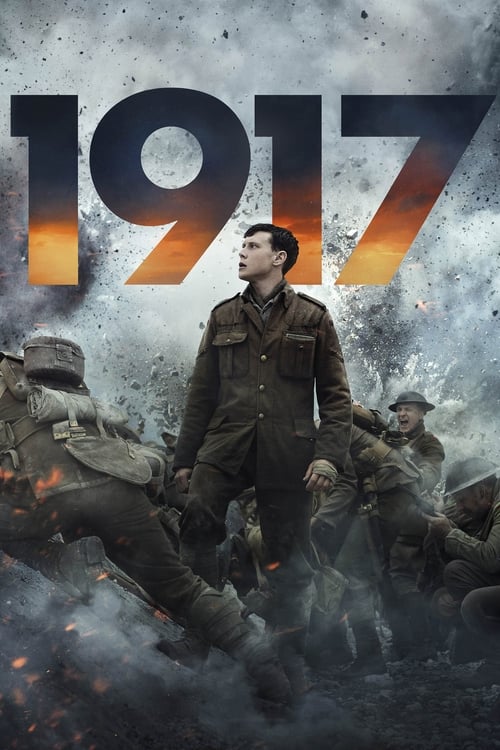
And with every passing minute 1917 strengthens its case for inclusion alongside Paths of Glory, The Big Red One, Platoon or any genre great you choose to mention.
Advertisement
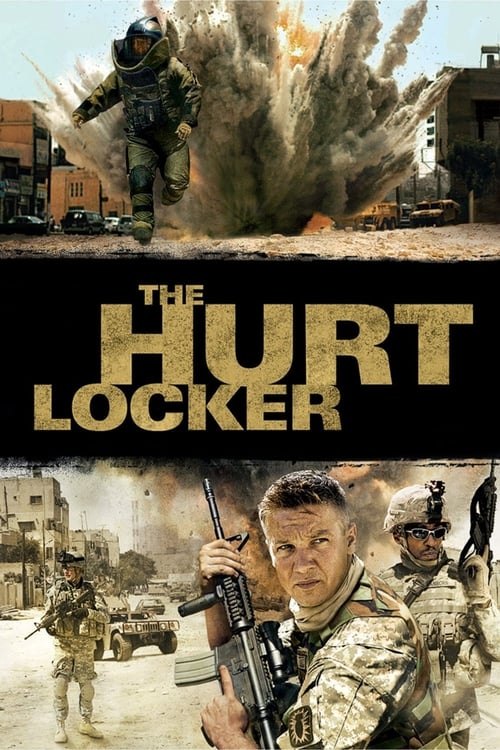
Bigelow and screenwriter Mark Boal tell the story in a series of episodes, much like Samuel Fuller's WWII masterpiece The Big Red One (1980).
Thus the integrated paratroop unit being dropped behind enemy lines: the squirrelly Chase (De Caestecker); loudmouth sniper Tibbett (Magaro); grizzled vet Ford (Russell, doing his best Tom Berenger in Platoon meets Lee Marvin in The Big Red One); and Boyce (Adepo), the naive young trooper who isn't really ready for conflict, and who mostly expresses this by coming up with terrible plans, or disobeying orders in a way that will probably get him or someone else killed.
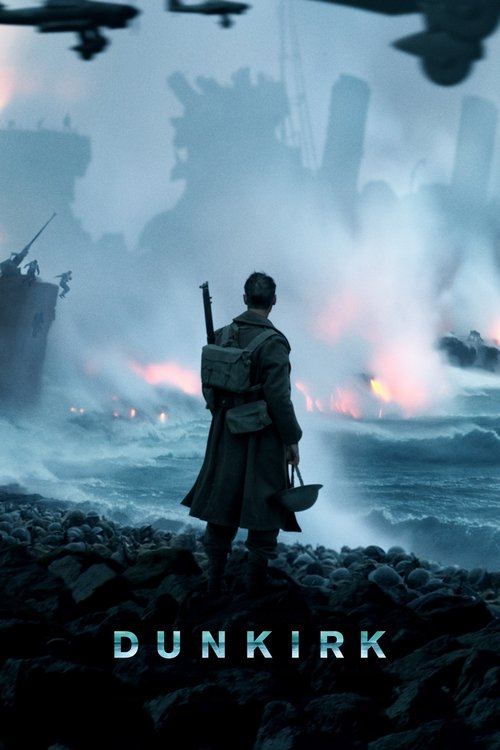
Anglo-American World War II movies don’t always portray the Allied combat troops as brave and morally clean (have you watched The Big Red One recently?), but Dunkirk is extraordinary for depicting its soldiers, almost without exception, as scheming, cowardly, and mutually vicious.
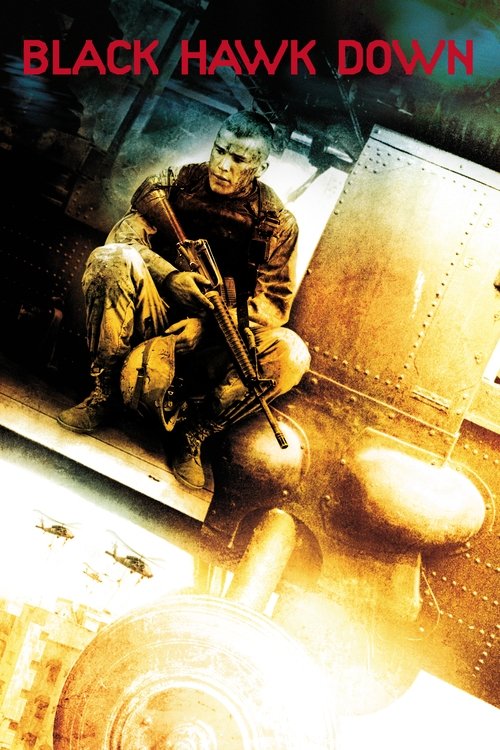
The tag lines may be gratuitous (“It’s what you do right now that makes a difference”) but Black Hawk Down is about as awesome a video game war epic can get sans philosophical discussions (see Sam Fuller’s Steel Helmet or The Big Red One for that).