
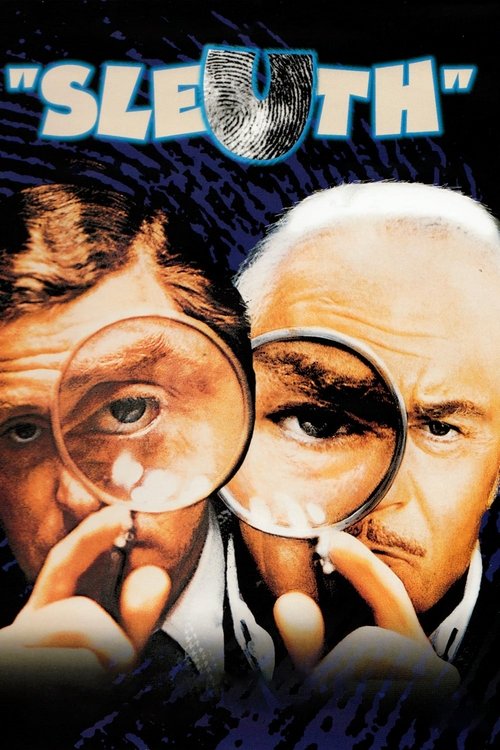
Sleuth (1972)
Directed by Joseph L. Mankiewicz
A man who loves games and theatre invites his wife's lover to meet, setting up a battle of wits with potentially deadly results.
7 connections found
View:
7 connections, in both directions
What critics compared Sleuth to


Occasionally, a high-concept take on the whodunit will make a splash, as in Joseph L Mankiewicz’s adaptation of the cat-and-mouse two-hander Sleuth (1972), Sidney Lumet’s version of the mind-screwy meta-mystery Deathtrap (1982), or Johnathan Lynn’s manic screwball cult phenomenon Clue (1985).
He happens to be in the same business as the character played by Olivier in Sleuth, a successful crime novelist.
In a prominent place is a lifesize jolly-sailor dummy in homage to Sleuth, the play starring Lawrence Olivier and Michael Caine (and later, the film starring Caine and Jude Law).
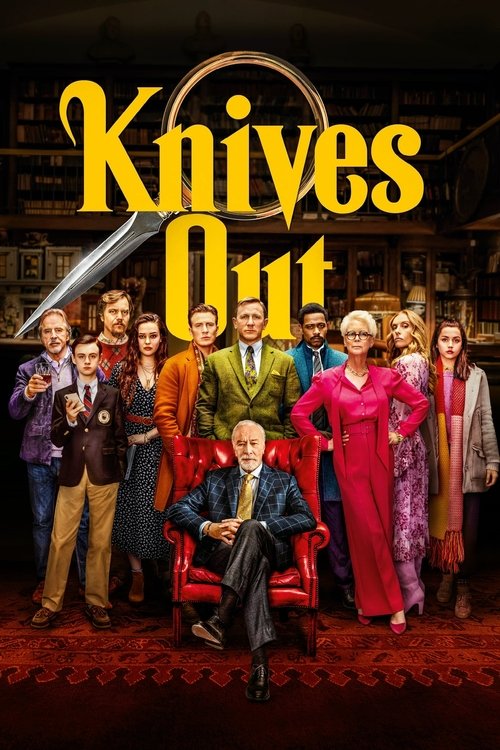
Johnson’s found the perfect old house in Massachusetts to set his murder mystery; he’s stacked it with props that directly reference, and may even be, the props from Sleuth (1972), which was also one of my favourite twisty movies as a kid; he’s engaged a fun-loving ensemble of glitterati; and then there’s his subversions, spins and extrapolations, none of which I’ll reveal, save one: the poster may imply a true ensemble, but this film has a protagonist and a star, and that’s Ana De Armas (who you hopefully remember fondly from Blade Runner 2049 as Ryan Gosling’s AI girlfriend).
The biggest drawback of Johnson’s Knives Out is its over-fondness for and insistence on paying respect to Agatha Christie-type mysteries (with the oddly exotic Blanc-Craig a stand-in for Hercule Poirot), Anthony Shaffer’s Sleuth and so forth.
The Michael Caine/Laurence Olivier “Sleuth” contains a joke about “a passing sheep rapist” that’s tonally and thematically similar to this movie’s reference to a character “joylessly masturbating to pictures of dead deer.”
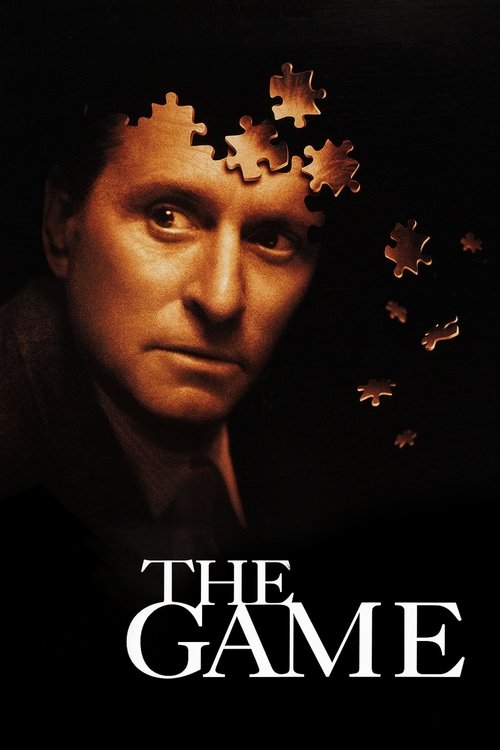
At one point or another, The Game reminded me of three past movies: the Laurence Olivier/Michael Caine classic, Sleuth; Martin Scorsese's wildly offbeat After Hours; and the improbable-but-fun Malice.
Those who enjoyed the convolutions in David Fincher's The Game will find that Sleuth offers many of the same pleasures without the most obvious drawback (blatant manipulation of the audience).
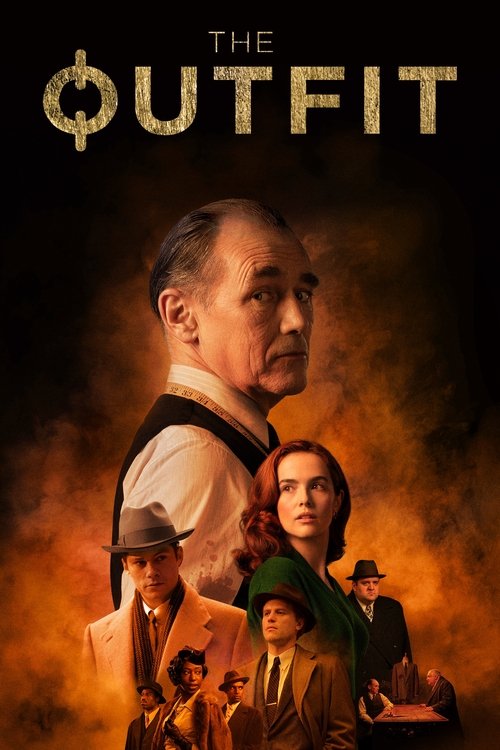
Aside from the external shot of the storefront, “The Outfit” is confined entirely to Leonard’s establishment, and, as with “Sleuth” (1972), it’s hard to suppress the feeling that we could, and possibly should, be viewing these events onstage.
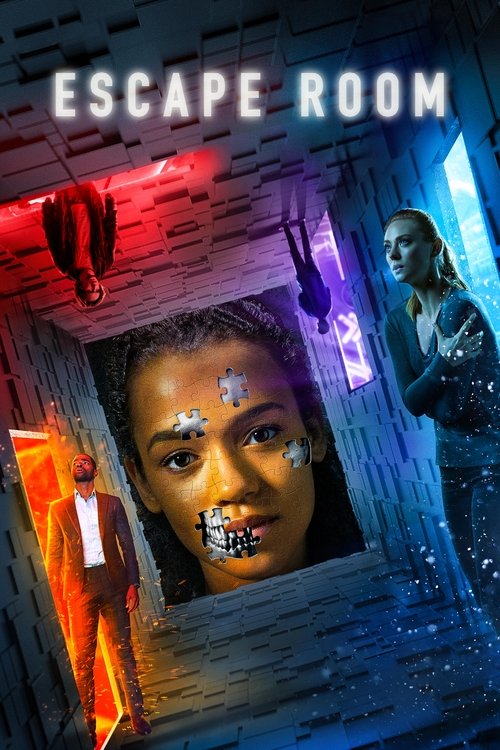
The genre was probably invented 40 years ago, when Ira Levin wrote “Deathtrap” (or maybe eight years before that, when Anthony Shaffer wrote “Sleuth”), but it got kicked into the age of head-trip technology with David Fincher’s “The Game” (1997), in which the ever-shifting reality that surrounded the Michael Douglas character reflected the prospect of life being hijacked by the morph-happy consciousness of video games.
Advertisement
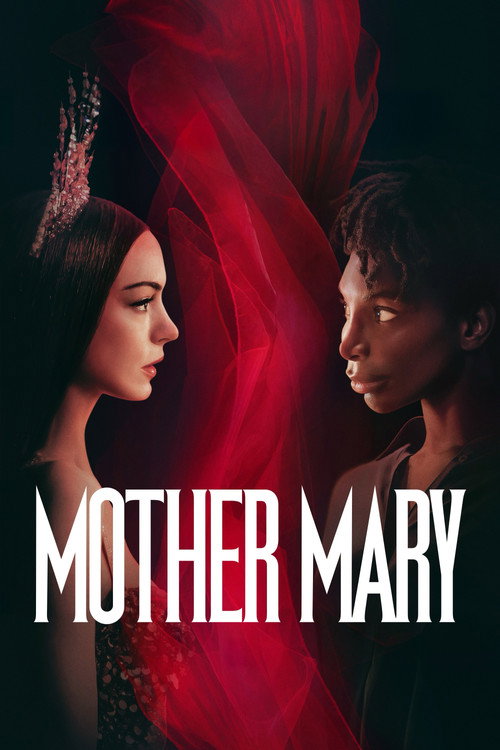
As Hathaway and Cole proceed to bait and banter like Caine and Olivier in “Sleuth,”…
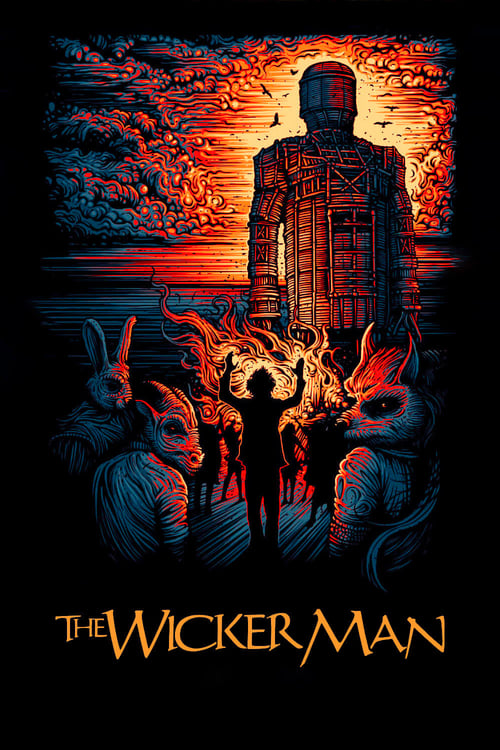
No surprise there ? the screenplay was crafted by Anthony Shaffer, whose Sleuth had already proven him more than able to build a tight whodunit on clever twists and the cunning of malevolent gamesmanship.
THE WICKER MAN was written by Anthony Shaffer, best known for his play "Sleuth."
Screenwriter Anthony Shaffer had previously penned critically praised adaptations of Sleuth and Frenzy (for Alfred Hitchcock).
I am referring, of course, to the 1973 The Wicker Man directed by Robin Hardy and written by Anthony Shaffer at the absolute peak of his influence - it was three years after Sleuth was staged, and one year after it was filmed in the same year as Shaffer's script for Alfred Hitchcock's Frenzy - and not at all the Neil LaBute/Nicolas Cage thing from 2006 , as has come to be regarded in later years as one of the truly misbegotten projects of the 2000s, and a film that has never been described by anyone as "all-time perfect" in any context at all.
With its literate script by Sleuth playwright Anthony Shaffer and memorable Scottish folk score, Hardy's fascinating mixture of horror, eroticism and religion is thoughtful, challenging and highly provocative entertainment.
The Wicker Man was written by Anthony Shaffer (Sleuth), who penned the screenplay because he wanted to script a horror movie that was devoid of the blood and gore that characterized films of the genre.
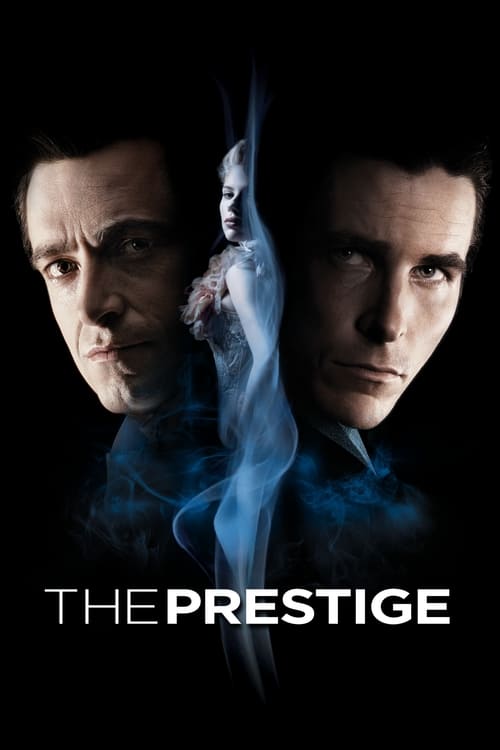
Just don’t look too hard for Borges or Kafka here; John Huston’s “The List of Adrian Messenger” and Anthony Shaffer’s “Sleuth” are the true spiritual ancestors of “The Prestige”.