
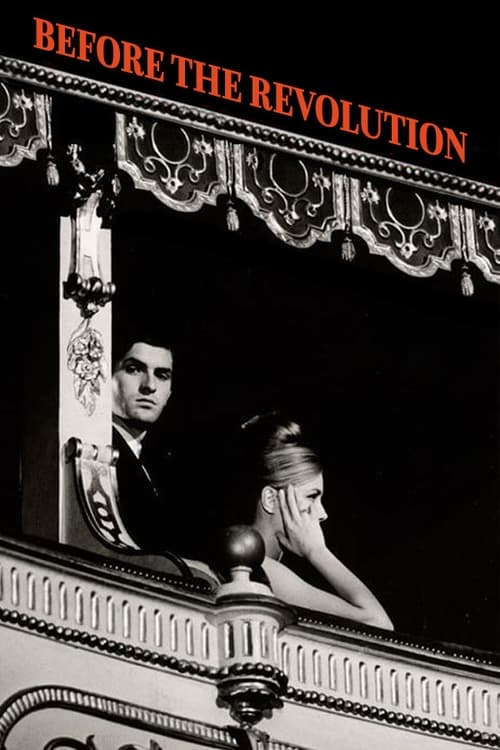
Before the Revolution (1964)
Directed by Bernardo Bertolucci
The study of a youth on the edge of adulthood and his aunt, ten years older. Fabrizio is passionate, idealistic, influenced by Cesare, a teacher and Marxist, engaged to the lovely but bourgeois Clelia, and stung by the drowning of his mercurial friend Agostino, a possible suicide. Gina is herself a bundle of nervous energy, alternately sweet, seductive, poetic, distracted, and unhinged. They begin a love affair after Agostino's funeral, then Gina confuses Fabrizio by sleeping with a stranger. Their visits to Cesare and then to Puck, one of Gina's older friends, a landowner losing his land, dramatize contrasting images of Italy's future. Their own futures are bleak.
1 connection found
View:
1 connections, in both directions
What critics compared Before the Revolution to
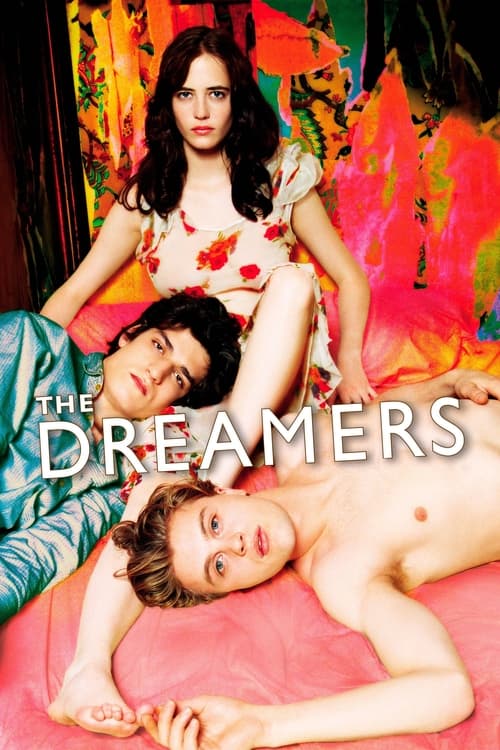


The 63-year-old Bernardo Bertolucciâs ("Last Tango in Paris"/"Before the Revolution"/"The Sheltering Sky") playful erotic drama The Dreamers is adapted from the 1988 novel The Holy Innocents: A Romance by English author and film critic Gilbert Adair, a book inspired by Jean Cocteau's Les Enfants Terribles.
Maybe the most regrettable thing about The Dreamers � which in itself can be forgotten as painlessly as Bertolucci�s previous five or six films � is that it cheapens the memory of his own movie about youth, love, and politics, Before the Revolution.
An Italian who made his first important film, "Before the Revolution," when he was only 24, he would in 1972 make " Last Tango in Paris ," a film starring Marlon Brando and the unknown Maria Schneider in a tragedy about loss, grief and sudden sex between two strangers who find it a form of urgent communication.
If there is any element of nostalgia, it is therefore a peculiarly Bertoluccian nostalgia that brings to mind a line from Before the Revolution (Prima della rivoluzione, 1964) in which a character claims to feel a constant nostalgia for the present, the intensity of the moment linked to its fading, nostalgia without retrospection.
Half a lifetime ago, Bertolucci anticipated its looming fires in Before the Revolution (1964), in which a dreamy young man wishes to be part of the seismic changes he feels are about to erupt, yet can’t quite free himself of his “nostalgia for the present.”
As the film proceeds, the favoring of mainstream movie references extends to Bertolucci's own oeuvre: the Paris flat reminds me of settings in The Conformist, the incest evokes Before the Revolution and Luna, Theo's Maoist baggage takes us back to The Last Emperor, a desert tent in the siblings' flat alludes to The Sheltering Sky, and Matthew's espousal of nonviolence suggests Little Buddha.