
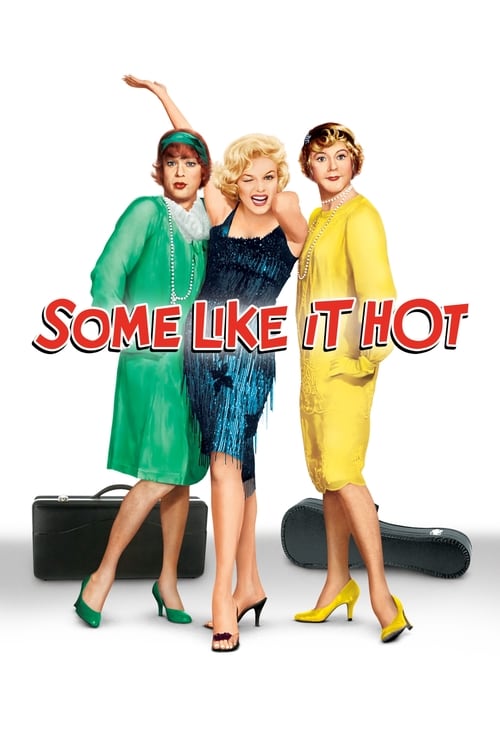
Some Like It Hot (1959)
Directed by Billy Wilder
In Prohibition-era Chicago, musicians Joe and Jerry witness a mob hit, and flee the state in an all-female band disguised as Josephine and Daphne, but further complications set in.
34 connections found
View:
34 connections, in both directions
What critics compared Some Like It Hot to
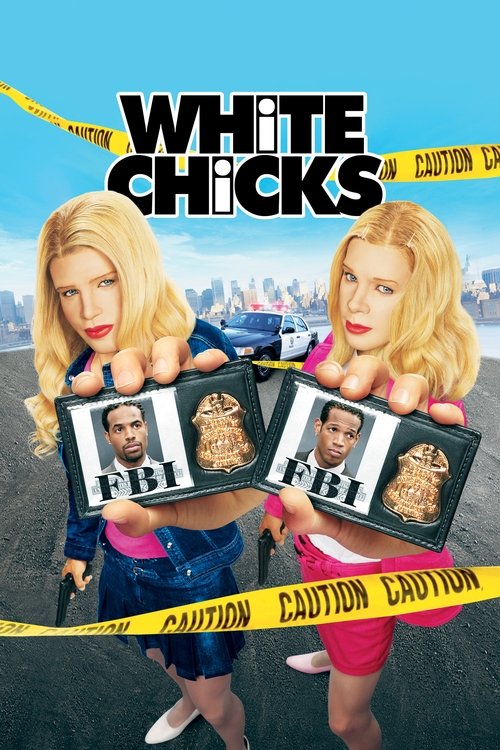


The army of writers were clearly using Some Like It Hot as a blueprint, so even when Kevin is a man on the prowl, he's pretending to be someone else.
Two such subplots are lifted from Some Like It Hot.
Nods to everything from Some Like It Hot to Soul Man are here in abundance, but with a tangled and pointless plot that redefines vapidity, they’re the gag writer’s equivalent of sprinkles on a doughnut hole, an empty treat for the cinematic bulimics in the audience.
Using the "Some Like It Hot" boilerplate, an army of writers reheat gender-bending slapstick with middling results.
Essentially a macho version of the Joe E. Brown character in "Some Like It Hot," he plays a swaggering, narcissistic football star who won't take "no" for an answer from blonde Marlon.
The Wayans Brothers' latest endeavor (Keenan is at the helm and all three brothers helped pen the script) borrows judiciously from just about every film that has ever featured cross dressing leading men, from Some Like It Hot all the way down to Tootsie, not to mention a generous nod to Eddie Murphy's classic SNL "white infiltration" skit.
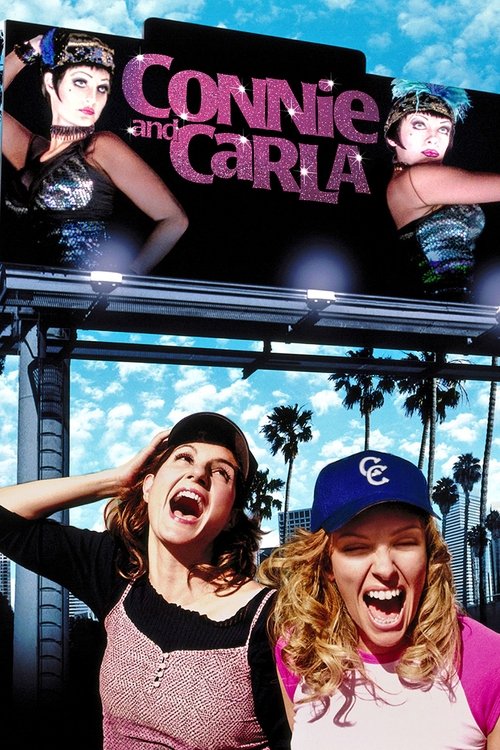
Its plot is "Some Like It Hot" meets "Victor/Victoria" and it's not half as clever as either, but "Connie and Carla" -- Nia Vardalos' writing-starring follow-up to "My Big Fat Greek Wedding" -- earns its share of amused grins for campy show tunes and cross-dressing gags.
The parallels with both Some Like It Hot and Victor/Victoria are obvious; Vardalos gleefully refers to both of these (and of course Yentl) while building a predictable farce.
I was able to sit back and enjoy the situation-inspired laughs without getting sidetracked by writer Nia Vardalos' occasionally clumsy script turns, or its derivative nature ("Some Like It Hot", "Tootsie" and every previous male impersonator story according to some critics), or its performers' inclination to milk a gag and exaggerate a nuance.

There are the requisite film homages and references (“The Fugitive” an obvious go to, “Some Like It Hot” less so) to keep the adults happy, and the parkour-performing wiener dog is just pure fun.
“I’m a cat,” she replies acidly — to which Pops offers the wonderful final line from Some Like It Hot .
"Nobody's perfect," he shrugs, stealing a line from Some Like It Hot.
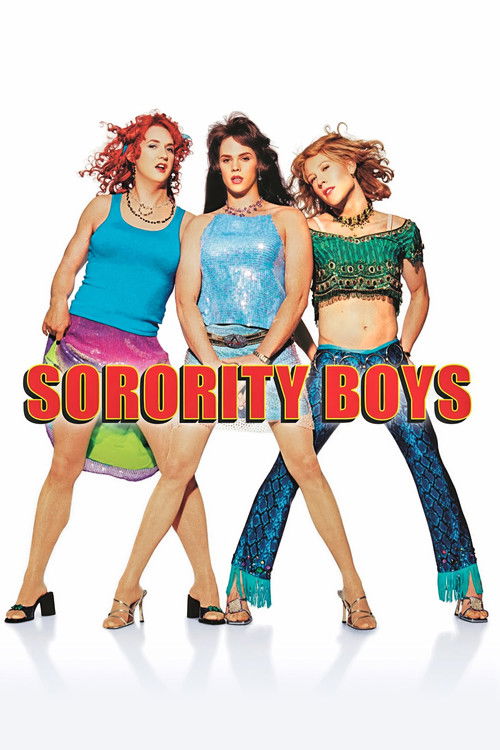
The plot — three frat boys are accused of theft, thrown out of their house and forced to pose as women while trying to clear their names — is as old as the great Some Like It Hot and as dull as the lame TV series Bosom Buddies.
Inept rookie director Wally Wolodarsky and bottom-feeder first-time writers Joe Jarvis and Greg Coolidge only condemn the objectification of women as a "Get Out of Jail Free" card after spending most of the picture recycling the tiredest jokes in the campus comedy canon and coupling them with a gag that hasn't been funny since "Some Like It Hot" -- unwilling, ugly, unconvincing drag queens.
Somebody in Hollywood thought taking "Some Like It Hot" and "Animal House," sticking them in a blender and serving in Dixie cups was a good idea.
That was done for just the shock or comedy value (such as Flip Wilson and Milton Berle in their TV shows) or because a certain situation in the script required that of them (as occurred in TV's "Bosom Buddies" and in movies such as "Some Like It Hot," "Tootsie," "Mrs.
In other words, Sorority Boys makes To Wong Foo, Thanks for Everything, Julie Newmar look like Some Like It Hot.
Advertisement
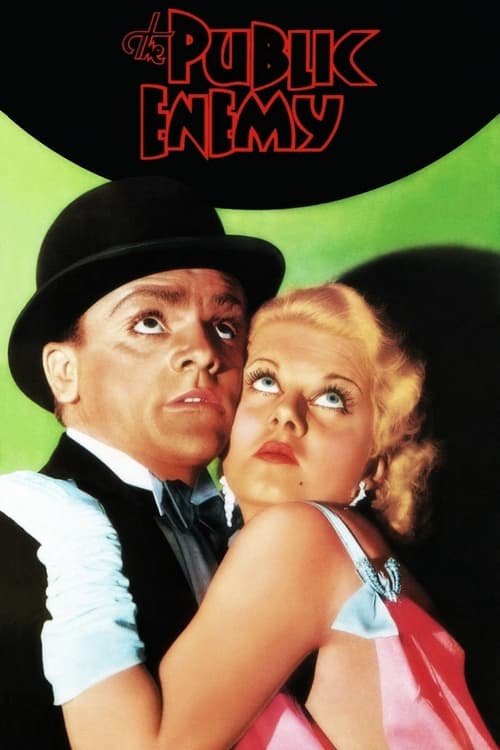
In Some Like It Hot, this is first evidenced in how the gangster framing narrative is played entirely straight - some winking nods (the mob boss played by George Raft mocks another character for tossing a coin in the air, the quintessentially Raftian gesture; a grapefruit is almost shoved into a goon's face, après The Public Enemy ), but never open, outright parody, and there are more than enough deaths played as deaths, not as slapstick, to assure us of the dramatic stakes.
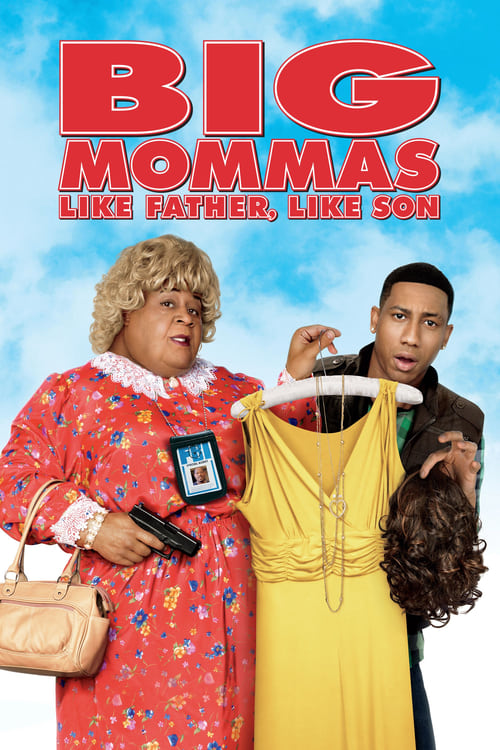
Some narrative nonsense involving a murder and an F.B.I. mole sets the scene for both Mr. Lawrence and Mr. Jackson to don fat suits, fake breasts and plus-size women’s clothes and hide out in a girls performing-arts high school, just as Tony Curtis and Jack Lemmon insinuated themselves into an all-girls band in “Some Like It Hot.”
In this cross between Beverly Hills Cop and Some Like it Hot, Turner's in drag again, along with his stroppy hip-hop son, staking out a dormitory at the Georgia Girls School for the Arts.
Doubtfire and Dame Edna Everage, not to mention Josephine and Daphne in Some Like It Hot.
In the ongoing roster of cross-dressing comedies, 2000's " Big Momma's House " was no "Some Like It Hot," "Tootsie," or even "Mrs.
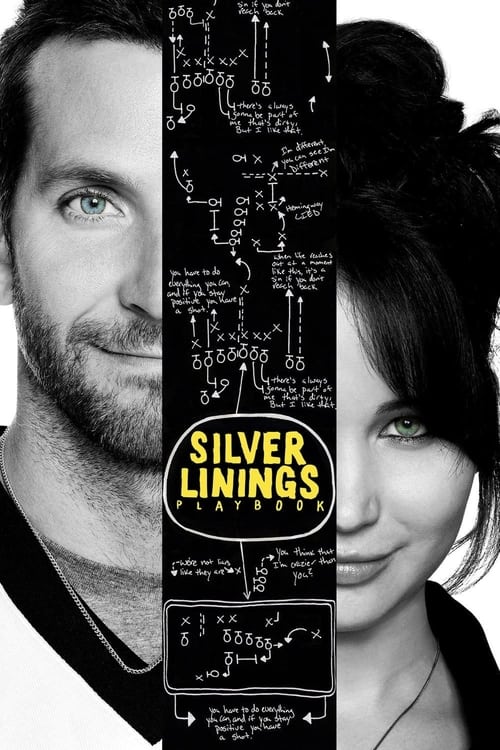
More than any other Hollywood filmmaker, Russell has demonstrated a facility with nutty situations, screwball energy, and eccentric characters, the kind of facility that recalls Sturges in his Hail the Conquering Hero and Miracle of Morgan’s Creek heyday, the kind that approximates the manic farce of Billy Wilder’s Some Like It Hot together with the acerbic wit and sentiment of The Apartment.
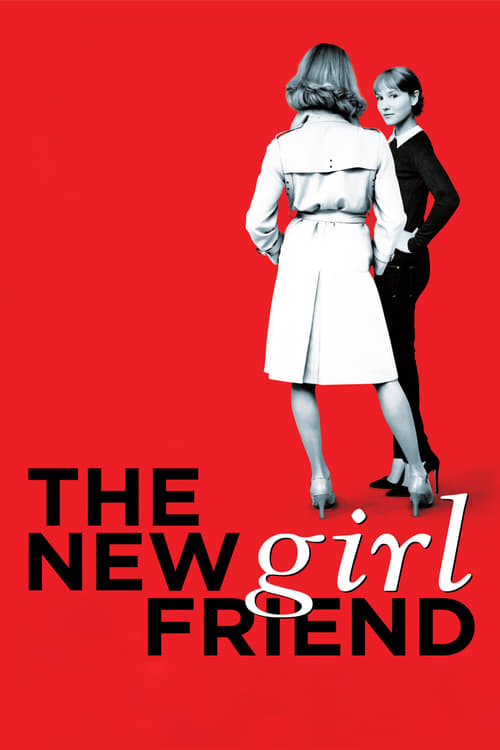
There’s frippery and flummery a la Almodóvar and Hitchcock, two of Ozon’s favorite directors, and he also cites Wilder’s understanding of drag as a dramatic device in “Some Like It Hot” as a keen influence.
But as a woman, Duris (while amusing) is not much more convincing than Tony Curtis and Jack Lemmon in “Some Like It Hot.”
Advertisement
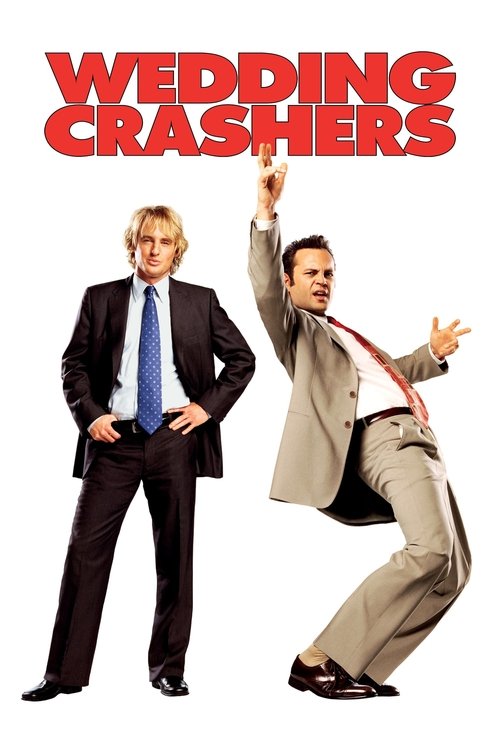
On the surface this bears some resemblance to Billy Wilder's Some Like It Hot, a justly revered classic and a prototype for all carnal-buddy flicks that followed, though most are nowhere near as transgressive.
The flick brings two hours of great big sloppy buck-wild laughs by morphing into a cross between “Meet the Parents” and “Some Like It Hot.”

While Williams provides him a very capable leading man, more than able to convey the wealth of conflicting emotions necessary to make the film ring true, Goldthwait ultimately pulls his punches, leaning for safety on a story structure rather obviously borrowed from Tootsie (which itself borrowed from Some Like it Hot) in order to give the picture a comfortable, if somewhat forced resolution.