
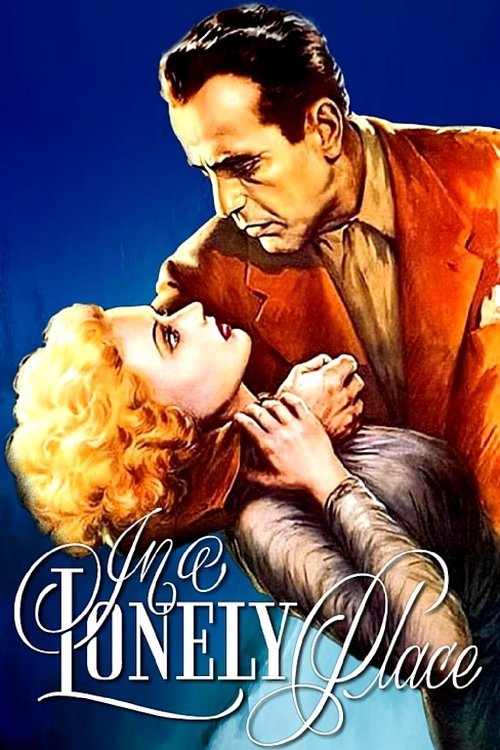
In a Lonely Place (1950)
Directed by Nicholas Ray
A violent screenwriter and a female neighbor fall in love after she clears him of murder, but she begins to have second thoughts.
7 connections found
View:
7 connections, in both directions
What critics compared In a Lonely Place to



(Admittedly, there aren’t many features that contain nods to both In a Lonely Place [1950] and Manos: The Hands of Fate [1966].)
That scene evokes, among other films, Rear Window, In a Lonely Place , and Lolita, though Sam is no damaged matinee idol.
One thinks, perhaps, of In A Lonely Place, with Humphrey Bogart engulfed by the rage and madness of the city.
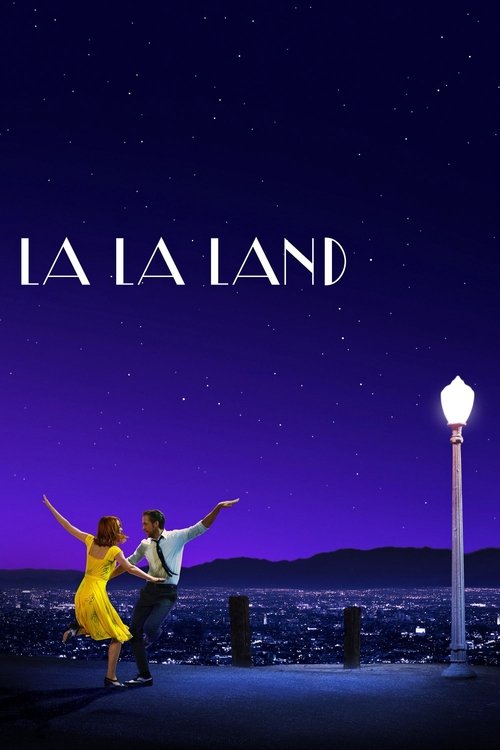
Third, the sequence revives the old-fashioned view of L.A. as a breeding ground of reverie and hope—a view that began to fade with “In a Lonely Place” (1950), where Bogart’s mug was as glad as a whiskey sour, and died a rainy death in “Magnolia” (1999), as the cast, scattered around town, growled and groaned along to Aimee Mann’s “Wise Up.”
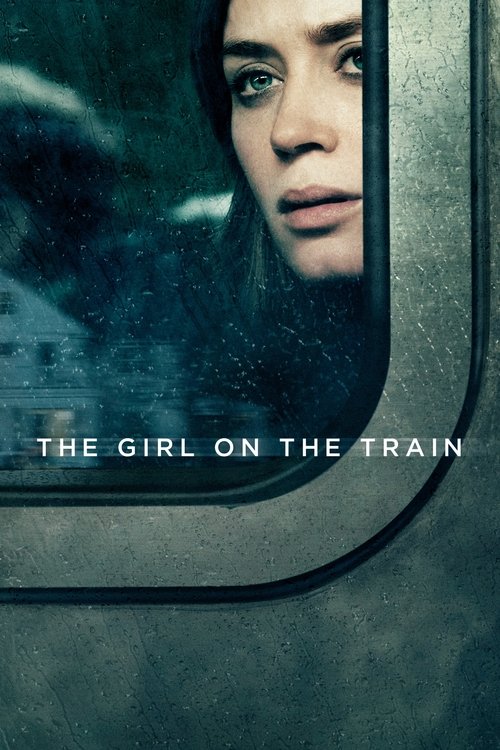
It’s here that “The Girl on the Train” starts to sound like “In a Lonely Place,” in which a struggling screenwriter, played by a never more intimidating Humphrey Bogart, might have killed someone — and even if he didn’t, that we thought he could commit murder is nearly as disturbing.

It's a very particular ruling-class fantasy punctuated by gadgets and automobiles--film noir, except the code our ambiguous hero plays by is more Humphrey Bogart's from In a Lonely Place than Bogey's from The Maltese Falcon.
Advertisement

He resembles the ill-fated heroes in Nicholas Ray pictures such as They Live by Night , On Dangerous Ground , and In a Lonely Place .
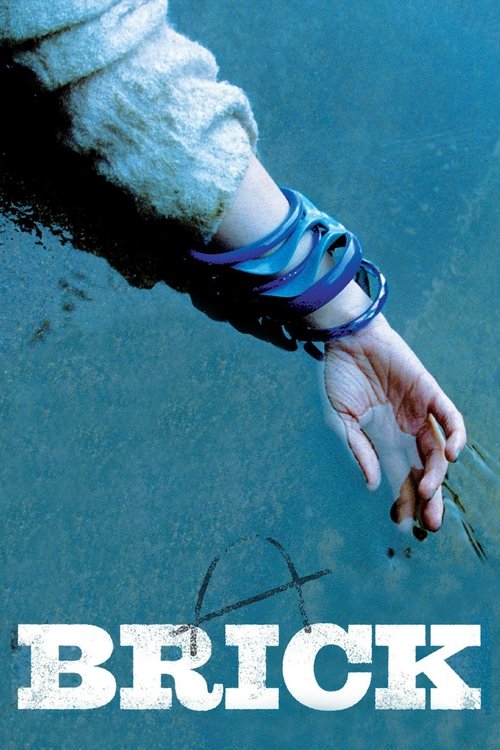
What he uncovers is a mess that includes all of the archetypal characters of the best of noir, from "Out of the Past" to "In A Lonely Place," with particular allusions to "The Big Sleep."
It would make a marvellous companion piece to Nicholas Ray's In a Lonely Place: films released within months of each other that appeared as if through wormhole from 1963 or thereabouts--from a darker decade in film, as well as an angrier one.