
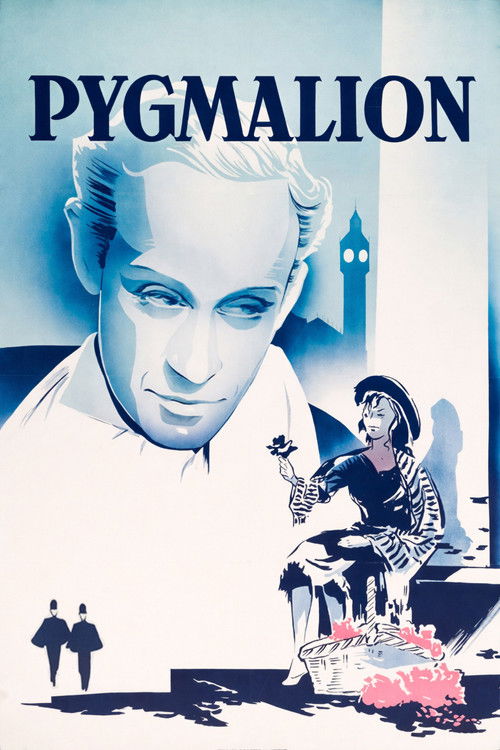
Pygmalion (1938)
Directed by Anthony Asquith
When linguistics professor Henry Higgins boasts that he can pass off Cockney flower girl Eliza Doolittle as a princess with only six months' training, Colonel George Pickering takes him up on the bet. Eliza moves into Higgins's home and begins her rigorous training after the professor comes to a financial agreement with her dustman father, Alfred. But the plucky young woman is not the only one undergoing a transformation.
7 connections found
View:
7 connections, in both directions
What critics compared Pygmalion to
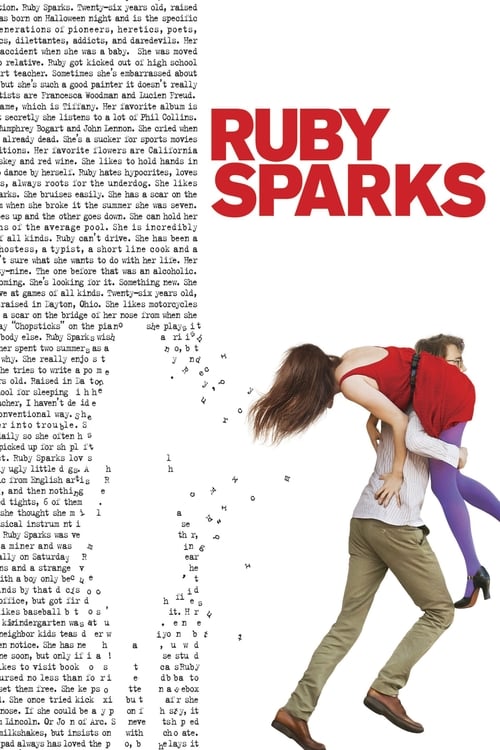


Kazan said in a Q&A after the screening that the idea came from the “Pygmalion” myth, although there are also echoes of the second half of Vertigo, in which Jimmy Stewart slowly turns into a controlling sociopath, as well as one scene very reminiscent of “Eternal Sunshine of the Spotless Mind,” a movie that came before the Rabin essay but included Kate Winslet’s “Too many guys think I’m a concept, or I complete them, or I’m gonna make them alive” speech.
The nature of creativity and desire, the alchemy of the imagination and the power of will, the relationship between creator and created - it's a theme that has raised many questions, from Pygmalion to Play It Again, Sam; from Weird Science to Frankenstein.
Obviously Kazan’s target here is male vanity and neurosis, and more specifically the “Pygmalion” paradox of molding a lover precisely to your specifications, only to discover that you don’t know what those are ahead of time.
Soon he learns the power of the pen, and this magical Pygmalion tale is off and running.
Initially, Calvin swears off his typewriter (a loud, forceful relic of the past) in order to enjoy Ruby in all her real glory, but soon enough, the temptation to make her more ideal takes over, and this Pygmalion update grows even funnier, as Ruby unwittingly takes his every adjustment to heart, before confronting the fundamental flaws that have driven Calvin to repeatedly fix his partners rather than himself.
Modern versions and variations include the sublime (“My Fair Lady,” based on a play by George Bernard Shaw called “Pygmalion”) and the sillly (“Mannequin,” “Weird Science,” and ”Mr.
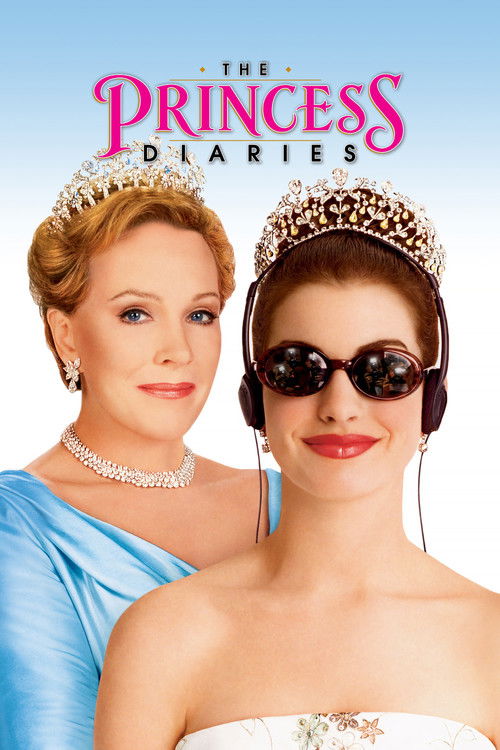
The Princess Diaries is the latest in a seemingly endless line of Pygmalion-inspired films about ugly ducklings who are turned into beautiful swans.
This is, of course, the same kind of Pygmalion story which launched Andrews herself to fame as Eliza Doolittle in the Broadway production of My Fair Lady all those years ago.
But while she skeptically contemplates accepting or renouncing her royalty -- and the responsibility and exposure that would come with it -- Mia does acquiesce to getting the "Pygmalion" treatment from her grandma (the oh-so-apropos Julie Andrews) during daily visits to the Genovian consulate.
It all began with George Bernard Shaw's Pygmalion, and was softened in The Big Sleep (1946) when Humphrey Bogart, waiting out a rainstorm in a bookstore, turned to Dorothy Malone and asked, "do you really need to wear those glasses?"
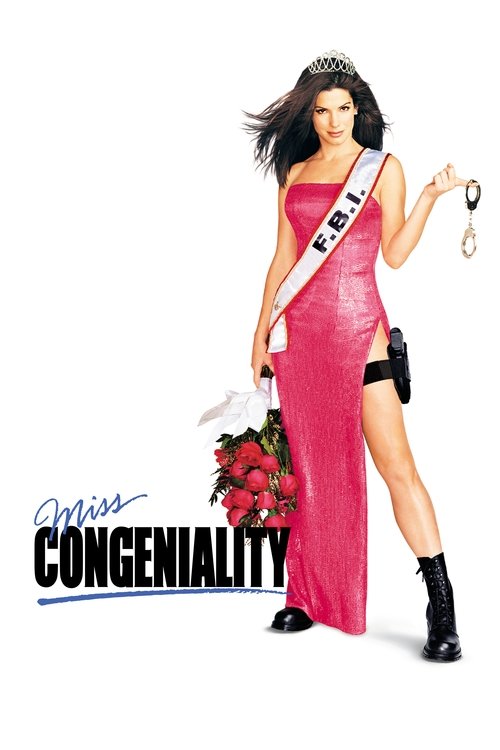
In this latest plagiarism of The Ugly Duckling and Pygmalion, there's a serial terrorist on the loose.
Miss Congeniality also steals shamelessly from Pygmalion (Vic making over Gracie from an ugly duckling cop into a stunning, statuesque beauty), but truncates the process to the point where it loses its appeal.
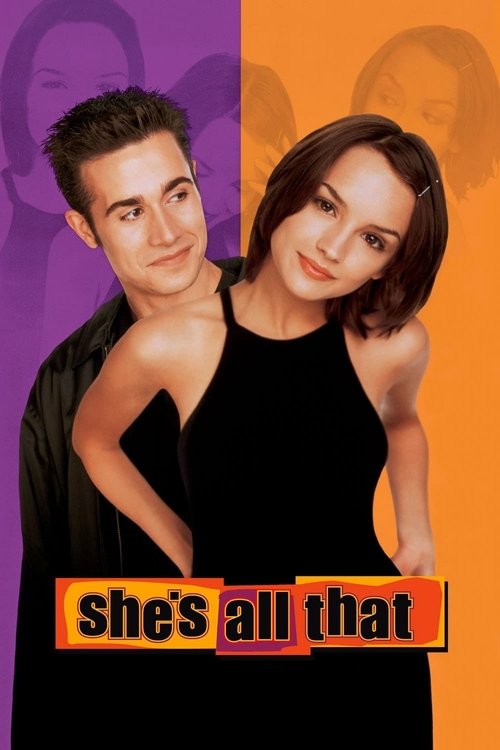
Arty outcast learns happiness is wearing lip gloss and dating jocks in pointless teen "Pygmalion"…
(Jan. 29, 1999) -- Take the story of Pygmalion and set it in a hip high school, with the hotshot senior class president as Henry Higgins and an "ugly duckling" art student as his project.
A modern take on Pygmalion and My Fair Lady, She’s All That really offers nothing new.
The romance begins, Pygmalion-style, after Zack makes a bet that he can transform any girl into a prom queen.
There have been numerous versions of George Bernard Shaw's Pygmalion story produced on big and small screens, the most popular of which is probably 1964's My Fair Lady.
Just once I'd like to see the "Pygmalion" formula applied to a woman who was truly unattractive.
Advertisement
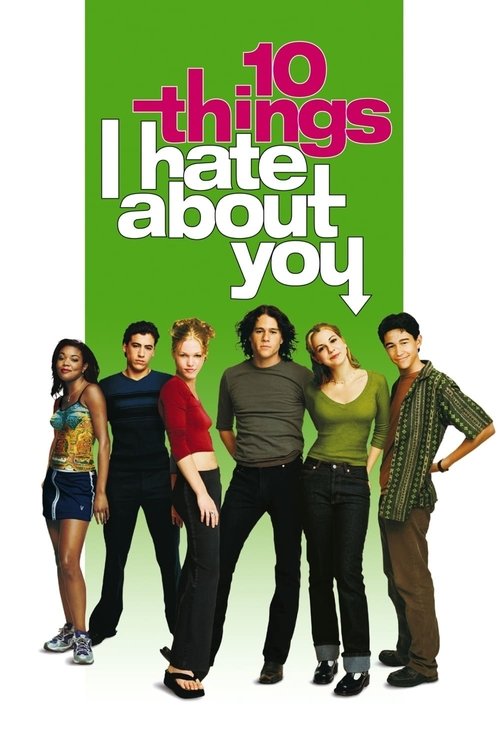
Although similar in plotting (ok, darn near identical), "10 Things I Hate About You," a modern-day version of Shakespeare's "The Taming of the Shrew" ("She's All That" got its inspiration from "Pygmalion"), is an infinitely superior film in every department, from the smart direction by first-time feature director Gil Junger to the charming and well-written screenplay by Karen McCullah Lutz and Kirsten Smith to the striking ensemble cast, who give the best group of performances in a teen comedy since 1985's "The Breakfast Club."
Then Freddie Prinze, Jr. starred in "She's All That," a retooling of George Bernard Shaw's "Pygmalion," and then we got "Cruel Intentions," based on "Dangerous Liaisons."
Lately in the teen movie column, we have seen many classics of literature: "Les Liaisons Dangereuses" ( Cruel Intentions ), "Pygmalion" ( She's All That ), and now Gil Junger's 10 Things I Hate About You.
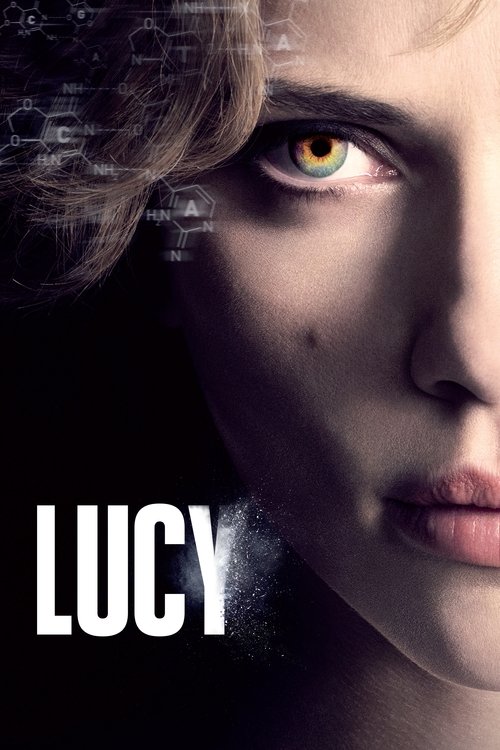
He’s a goofy, perverse Pygmalion in his drive to fashion pop-culture mini-skirted transcendent Galateas in La Femme Nikita, Leon: The Professional , and The Fifth Element .
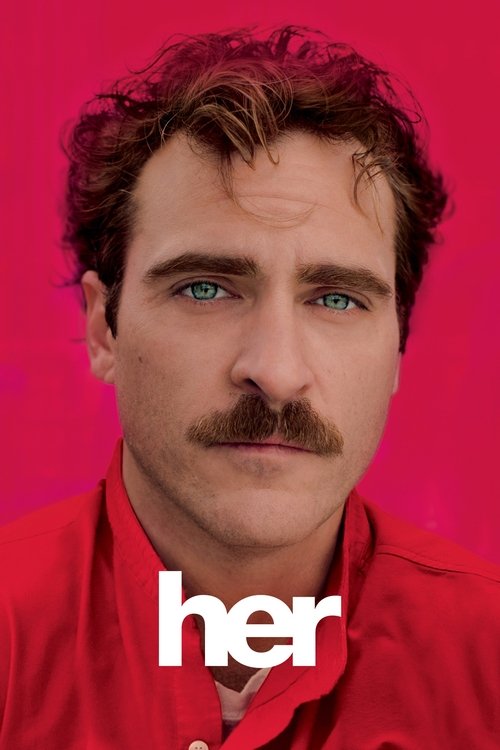
But as we have seen in “Lars and the Real Girl,” “Ruby Sparks,” George Bernard Shaw’s “Pygmalion” (which became the musical “My Fair Lady’), there’s no happily ever after in a relationship with a creation.