
Stella Dallas (1937)
Directed by King Vidor
A working-class woman is willing to do whatever it takes to give her daughter a socially promising future.
6 connections found
View:
6 connections, in both directions
What critics compared Stella Dallas to



Before long, she's managed to launch a successful restaurant (as Crawford did in "Mildred Pierce") while protecting her daughter's self-esteem (a la Stanwyck in "Stella Dallas").
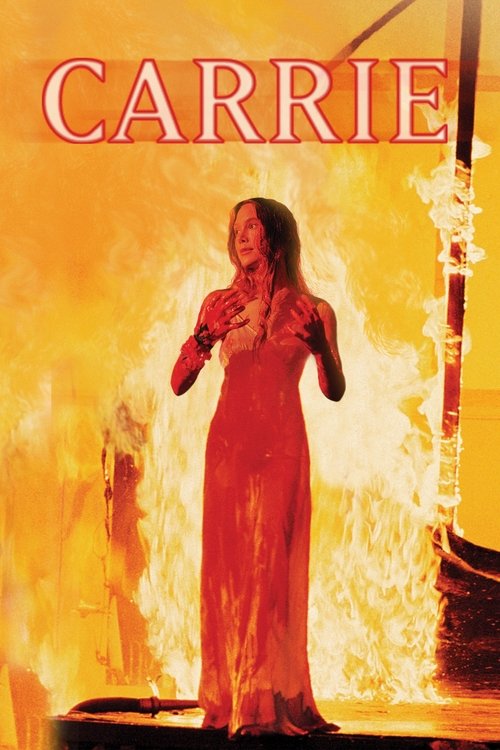
Nor does Carrie enlist our sympathies through the portrayal of maternal self-sacrifice for the benefit of a beloved daughter in the style of Stella Dallas (King Vidor, 1937) or Mildred Pierce (Michael Curtiz, 1945).
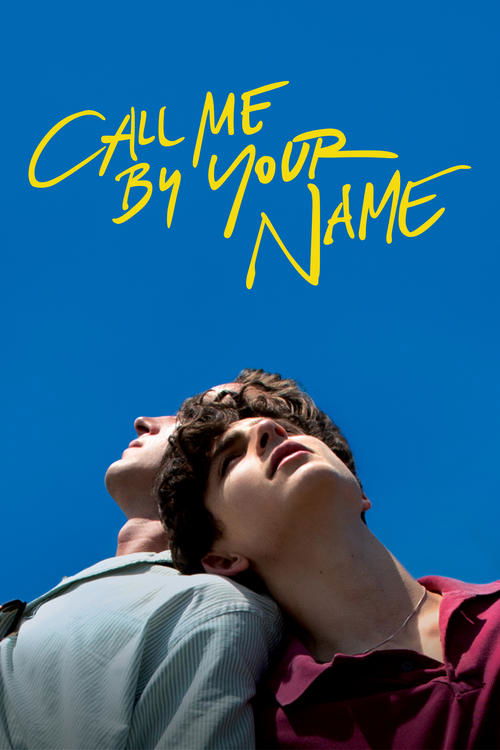
He is destroyed, and tears come out of his eyes, but he lets one of them slide into his mouth, like Barbara Stanwyck at the end of Stella Dallas (1937), and this indicates that he is finding a kind of enjoyment in his pain.
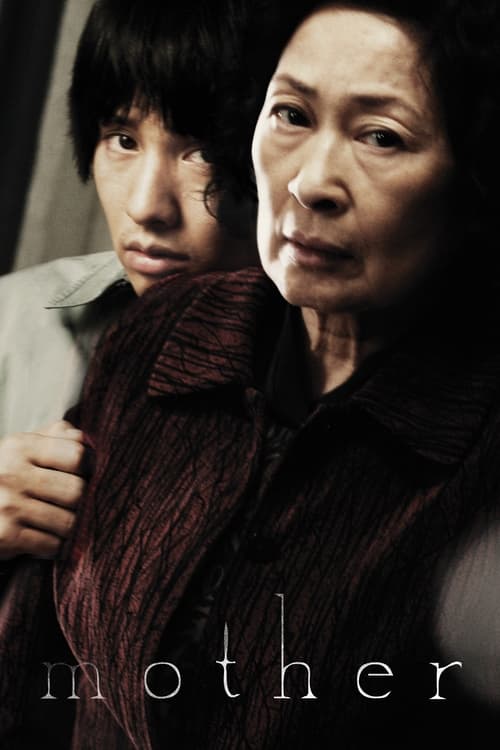
Perversely, Bong views the character's escalating feelings through a filter of mordant irony, analyzing passion without sharing it; imagine watching Stella Dallas through a thick, bulletproof windshield, and you get a sense of the film's removed stance.
Advertisement

Audiences who would have felt embarrassed about spilling tears at such (much better) testaments to the love of a mother like "Stella Dallas" or "Imitation of Life" could weep at this while feeling they were watching a picture "relevant" to their lives.
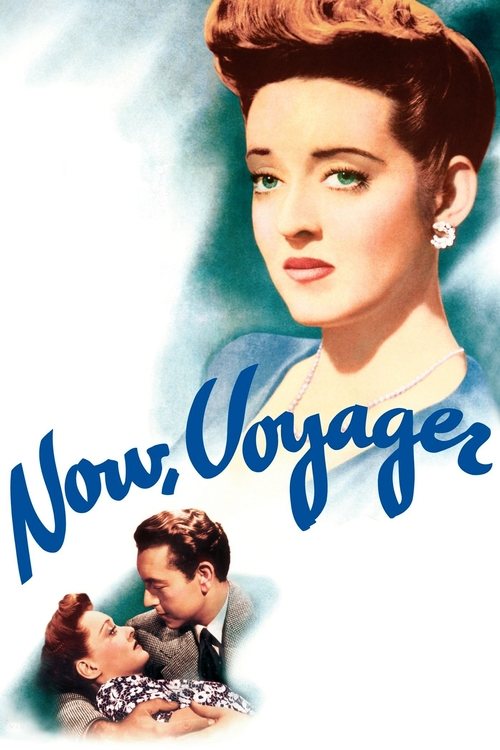
Directed by Irving Rapper, its screenplay by Casey Robinson was based on the 1941 novel by Olive Higgins Prouty (who also wrote Stella Dallas).