

Dave McKean
11 connections found
Filmography
View:
Connections, in both directions


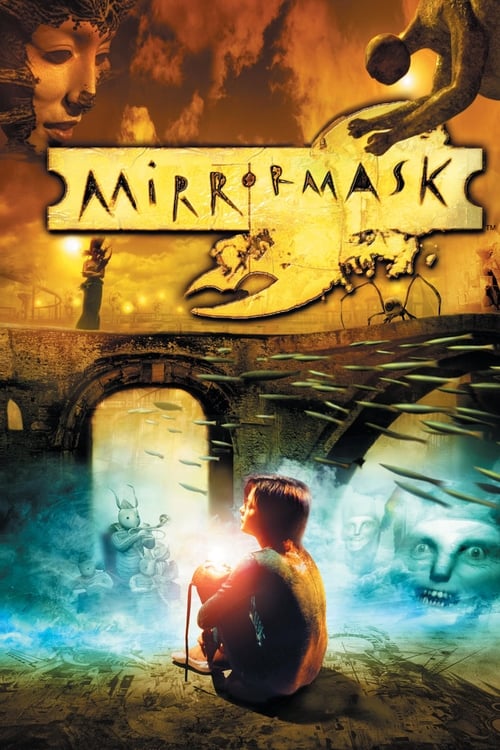
As screenwriter Neil Gaiman tells the story, Mirrormask came about when Lisa Henson contacted him about creating a new movie in the mode of Labyrinth and The Dark Crystaltwo Jim Henson fantasy features that failed at the box office but have reached family-classic on VHS and DVD.
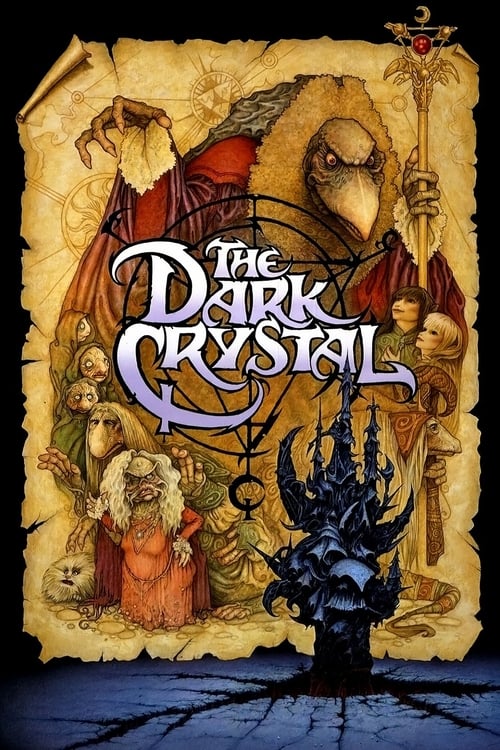
Gaiman and McKean's mandate from the Jim Henson Co. was to create something in a similar vein to The Dark Crystal and Labyrinth, movies which bombed on initial release but have steadily grown in popularity over the years.
Borrowing heavily from The Wizard of Oz, and to a lesser extent from Alice in Wonderland and The Chronicles of Narnia, co-creators Neil Gaiman and Dave McKean (collaborating with The Jim Henson Group, who made The Dark Crystal and Labyrinth in this genre during the 1980s) develop a simplistic tale of good and evil, and of a quest that doesn't have many interesting intermediate points between its beginning and its conclusion.
Combining elements of Dali surrealism, Cirque du Soleil, Eyes Wide Shut‘s anonymous orgy scene, The Brothers Quay’s mannequin-infatuated stop-motion shorts, Adam Jones’s videos for Tool, The Wizard of Oz, two prior Henson projects ( Labyrinth and The Dark Crystal), and Gaiman’s own Sandman comic series, this children’s fantasy about the bond between parents and children is a stylistic smorgasbord bloated with literary and cinematic influences.
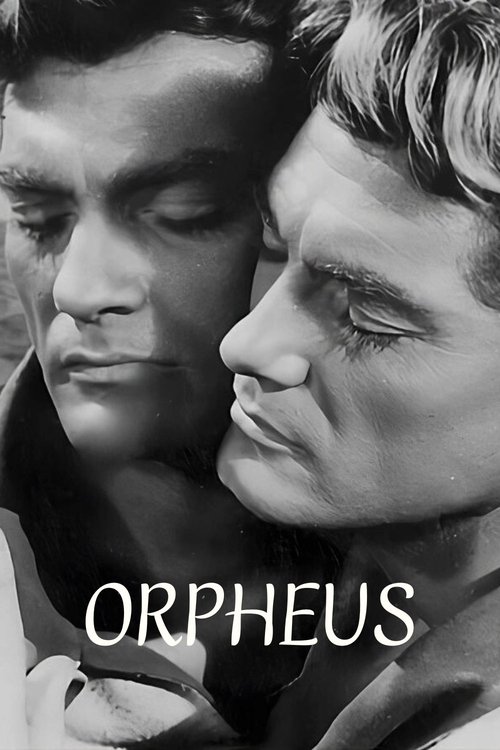
At best, Helena's wiggy adventures recall such Jean Cocteau films as "Orpheus" and "Blood of a Poet."
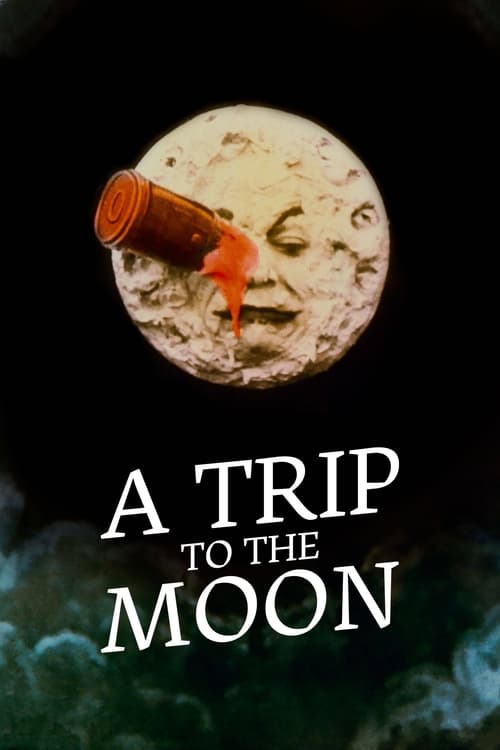
A first-time cinematic collaboration between the extravagantly imaginative writer Neil Gaiman and the artist-director David McKean (both are intensely revered in the comic-book subculture for their work on the esteemed "Sandman" series, among many other things), the movie has a flickery, handmade quality that recalls such primordial entertainments as George Méliès' 1902 "A Trip to the Moon," and an unrelenting otherworldliness that's indebted to more modern films, like the late Jim Henson's 1986 "Labyrinth." ("MirrorMask" was in fact produced by the puppet masters of the Jim Henson Company.)

As screenwriter Neil Gaiman tells the story, Mirrormask came about when Lisa Henson contacted him about creating a new movie in the mode of Labyrinth and The Dark Crystaltwo Jim Henson fantasy features that failed at the box office but have reached family-classic on VHS and DVD.
A first-time cinematic collaboration between the extravagantly imaginative writer Neil Gaiman and the artist-director David McKean (both are intensely revered in the comic-book subculture for their work on the esteemed "Sandman" series, among many other things), the movie has a flickery, handmade quality that recalls such primordial entertainments as George Méliès' 1902 "A Trip to the Moon," and an unrelenting otherworldliness that's indebted to more modern films, like the late Jim Henson's 1986 "Labyrinth." ("MirrorMask" was in fact produced by the puppet masters of the Jim Henson Company.)
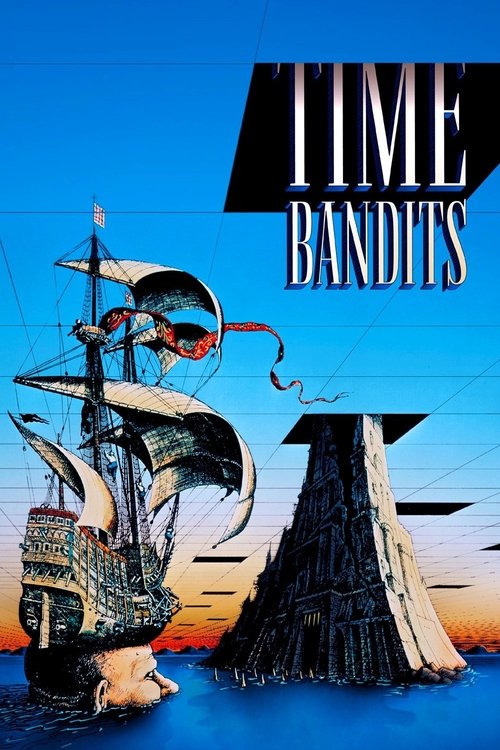
…from Time Bandits, an otherwise fine parallel), she wishes to run away from the “wild life” -- in this case the Circus…
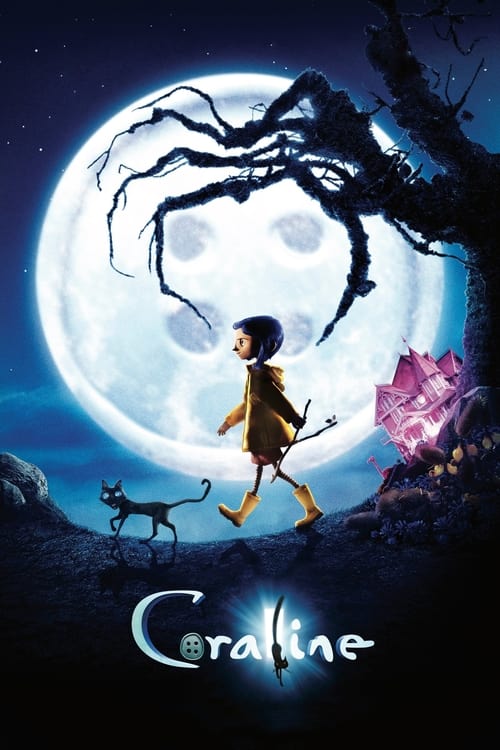
Gaiman penned the grossly underrated “Mirrormask” and essentially provides us with the exact pacing and eye catching creatures and machinations paired with some top notch animation that works as a mixture of claymation and computer animation that gives the dark atmosphere a peculiar more original taste.
This is familiar terrain for both Gaiman (whose original screenplay for the 2005 film MirrorMask centered around a teenage girl’s journey through a grim parallel world) and Selick (whose 1996 stop-motion adaptation of Roald Dahl ’s James and the Giant Peach remains a modern classic of childhood make-believe at odds with grown-up insolence).
Based on a book by Neil Gaiman, whose alternate-reality narrative is analogous to his prior Mirrormask (and, of course, Alice in Wonderland), Selick’s stop-motion-animated story is dark and magical, a saga of adolescent discontent and longing that so dynamically careens between set pieces of elation and dread that one hardly has time to soak in all the twirling, tumbling visual marvels enveloping the screen.
There are also recognisable elements from writer Neil Gaiman's other work: the twisted mirror-world from his novella Coraline; the protagonist's fear of embarrassment by their parents from his new novel Anansi Boys, as well as spying spiders and flocks of evil birds.
Like Coraline , in which he gave us a bored young female protagonist who longs for adventure, here he simply spins that notion on its head.
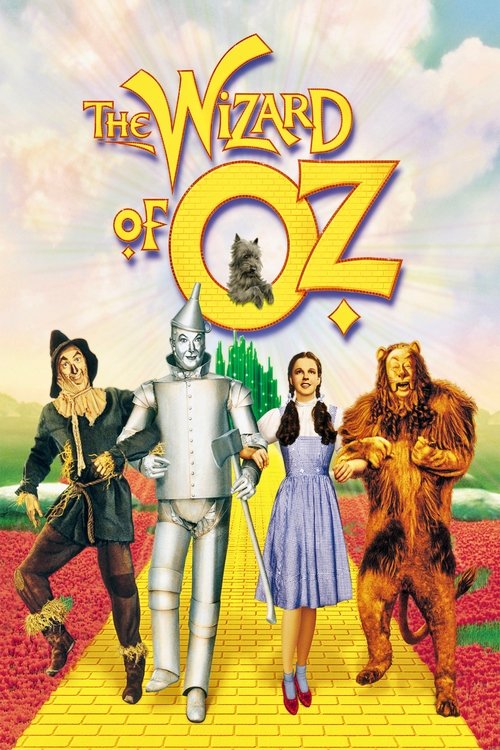
The movie essentially becomes a protracted dream sequence, a tip of the hat to The Wizard of Oz and Alice in Wonderland and many other books and movies you and Neil Gaiman have seen and read.
Borrowing heavily from The Wizard of Oz, and to a lesser extent from Alice in Wonderland and The Chronicles of Narnia, co-creators Neil Gaiman and Dave McKean (collaborating with The Jim Henson Group, who made The Dark Crystal and Labyrinth in this genre during the 1980s) develop a simplistic tale of good and evil, and of a quest that doesn't have many interesting intermediate points between its beginning and its conclusion.
Although the plot and motifs are largely borrowed from "The Wizard of Oz" and "Alice in Wonderland," there is something oddly intoxicating about Dave McKean and Neil Gaiman's coming-of-age fantasy "MirrorMask."
Combining elements of Dali surrealism, Cirque du Soleil, Eyes Wide Shut‘s anonymous orgy scene, The Brothers Quay’s mannequin-infatuated stop-motion shorts, Adam Jones’s videos for Tool, The Wizard of Oz, two prior Henson projects ( Labyrinth and The Dark Crystal), and Gaiman’s own Sandman comic series, this children’s fantasy about the bond between parents and children is a stylistic smorgasbord bloated with literary and cinematic influences.
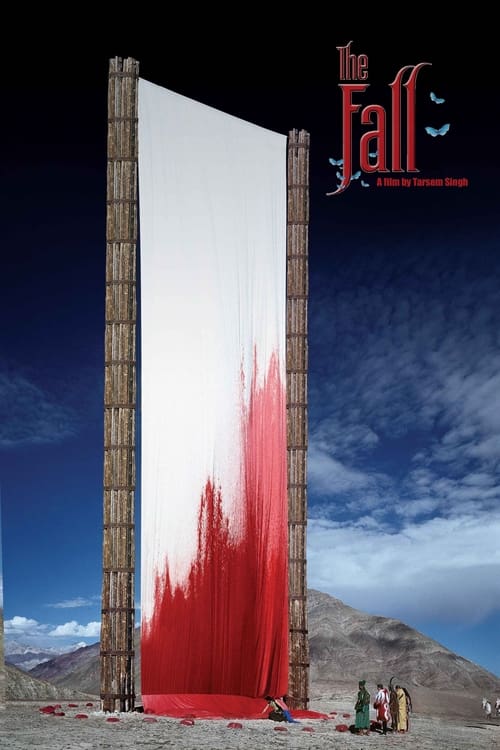
Freed of the necessity to be coherent, freed of much understanding of Bruno Bettelheim or Jung or Freud, it's a fairytale without purpose and pretentious to boot, reminding more than a little of the also-pretty, also-empty Neil Gaiman/Dave McKean collaboration Mirrormask .
This level of invention is appallingly rare - the last film I can think of that creates images out of whole cloth on a similar scale is Dave McKean and Neil Gaiman's MirrorMask , which suffers in comparison for not having such a well-conceived narrative arc.
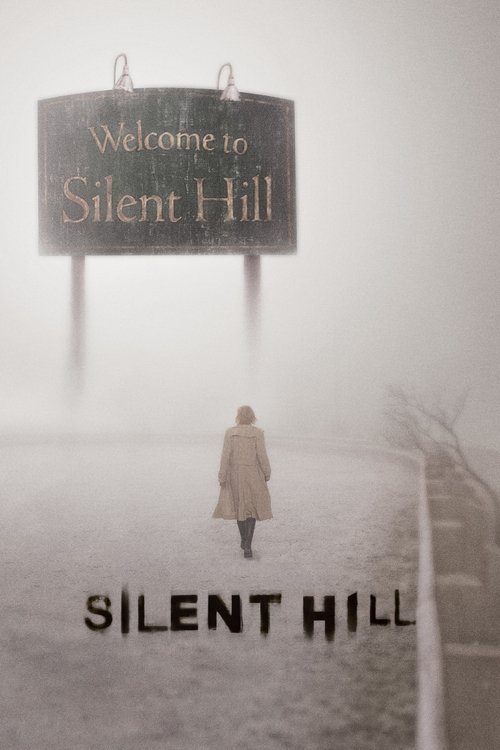
It makes them a bit odd, not necessarily in a good way, because they look like something out of Dave McKean's "MirrorMask."
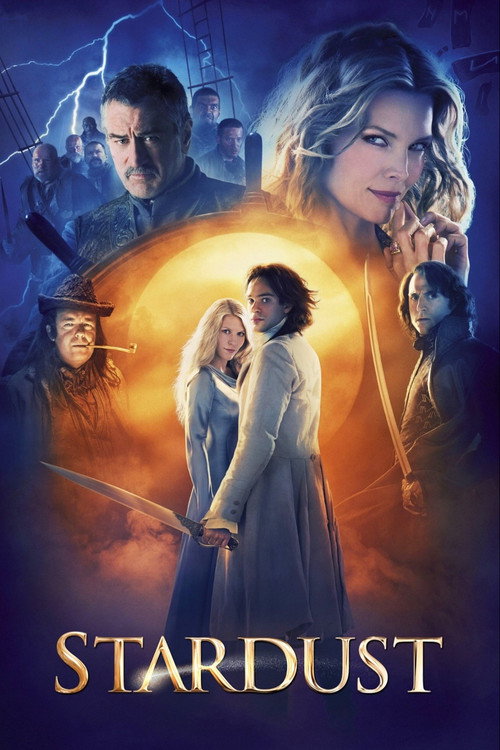
On the one hand, I knew that it was some kind of elaborate mystical epic and that it somehow combined the talents of Neil Gaiman (the author of any number of acclaimed novels and the screenwriter of the underrated film "Mirrormask"), Matthew Vaughn (who has produced such hard-edged British gangster films as "Lock, Stock and Two Smoking Barrels" and "Snatch" and who also directed the hard-edged British gangster film "Layer Cake") and a cast consisting of relative newcomers (such as Charlie Cox and Sienna Miller), reliable veterans (Claire Danes, Michelle Pfeiffer and Rupert Everett) and even a couple of genuine screen legends (Robert De Niro and Peter O'Toole).
Neil Gaiman specializes in the purple picaresque, and though his work can sometimes be a bit precious (I didn�t care for his 2005 scripting effort MirrorMask), he generally writes the sort of good-hearted escapist fare he would�ve loved as a boy (and still loves).
British fantasy author Neil Gaiman ("MirrorMask") is a hot commodity in Hollywood these days.
Much better story than Mirrormask and much better put together than Neverwhere.
Small wonder that only one truly successful "Gaiman movie" has appeared before now -- 2005's extraordinary MirrorMask -- and that it relied almost entirely on CGI... to the point of resembling a living painter's canvas more than an actual film.
With other examples in the entertainment arena Neverwhere, the Henson Companys clever Mirrormask its clear that Gaiman will be a fixture in film for sometime to come.
Combining elements of Dali surrealism, Cirque du Soleil, Eyes Wide Shut‘s anonymous orgy scene, The Brothers Quay’s mannequin-infatuated stop-motion shorts, Adam Jones’s videos for Tool, The Wizard of Oz, two prior Henson projects ( Labyrinth and The Dark Crystal), and Gaiman’s own Sandman comic series, this children’s fantasy about the bond between parents and children is a stylistic smorgasbord bloated with literary and cinematic influences.