

Steve Martino
6 connections found
Filmography
View:
Connections, in both directions


Craig breathed fresh air into the franchise starting with 2006’s “Casino Royale,” but “Spectre” is more “Quantum of Solace” than “Skyfall.”
Ideally, the makers of the 3-D animated update would deliver something like Jason Segel did with “The Muppets,” where passion and reverence for Jim Henson’s creations emphatically trumped all the corporate leveraging at work.
You want a reboot like this to be like The Muppets , the sweetly sincere 2011 movie with Jason Segel; you fear that it will be like The Muppets, the 2015 mockumentary-style ABC series, which many fans find overly jaded and cynical.
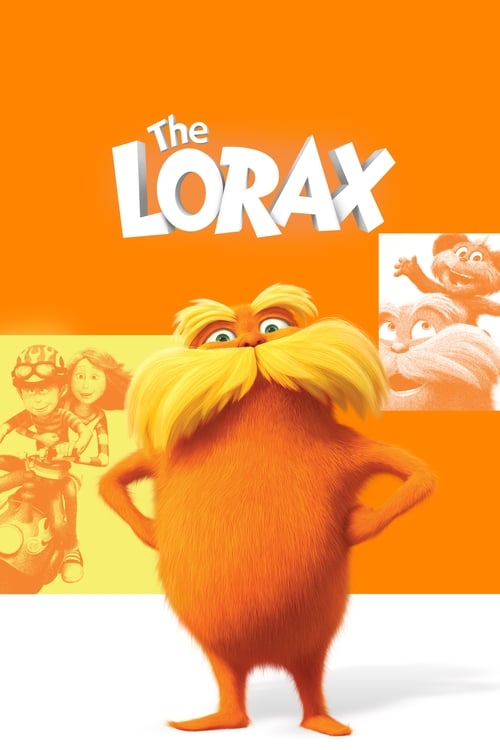
As far as computer-animated adaptations of Dr. Seuss classics go, "The Lorax" is an altogether more confident rendering than 2008's " Horton Hears a Who! " Perhaps its moralistic themes are simply expansive enough to better lend themselves to feature length, or maybe director Chris Renaud (2010's " Despicable Me ") and screenwriters Ken Daurio and Cinco Paul (2011's " Hop ") are just working on a higher level.
And while I could never forgive this - if you plan to abuse Seuss, the least you can do is hew close to his original themes, like Lorax producer Christoper Meledandri did with his Horton Hears a Who! - and for that matter, the amount of Seussian language present in the film is negligible to the point of invisibility - it would be acceptable, at least, if the film were still a solid bit of entertainment; for after all, those bright colors are tremendously appealing.
Like Fox Animation’s 2008 Horton Hears A Who! , Illumination Entertainment’s musical feature The Lorax, helmed by Despicable Me co-director Chris Renaud and feature first-timer Kyle Balda, keeps that filler mild and simplistic.
Having previously blended the irreverent and the touching to rewarding effect in Despicable Me, director Chris Renaud and writers Cinco Paul and Ken Daurio (the pair previously got their Seuss on with Horton Hears a Who!) prove to be the right team for the job at hand.
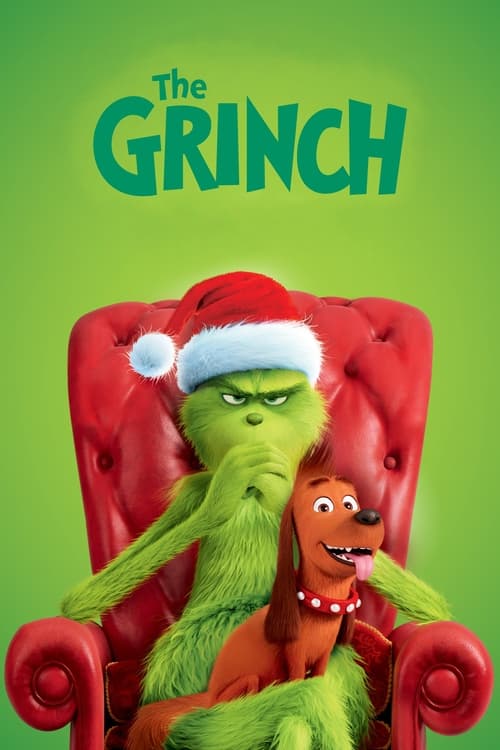
Meledandri worked on two previous Seuss adaptations, Horton Hears A Who! and The Lorax, and The Grinch suggests a house style that stresses timidity, hyperactivity and a lowest-common-denominator approach to these classic children’s books.
Marking the third Seuss adaptation by Chris Meledandri’s Illumination Entertainment after 2008’s Horton Hears a Who! and 2012’s The Lorax , the Universal release should generate plenty of family-friendly, pre-holiday cheer when it opens this weekend.
Here, it’s to see animators behind those feature versions of “Horton Hears a Who!” (2008) and “The Lorax” (2012) put another contemporary spin on Dr. Seuss — but this time, their sharp adaptation instincts fail them.
Granted, the other options weren’t hard to surpass (“The Grinch,” “Cat in the Hat”), but there’s an askew pop sensibility that rings throughout the picture, making it disposable, but not without ample charm.
After two truly unbearable live-action big-screen Dr. Seuss adaptations ( The Grinch and The Cat in the Hat ), this unlikely computer-animated entry is a surprising success.
Jim Carrey, who achieved dubious success doing a live action version of The Grinch a few years ago, voices Horton.
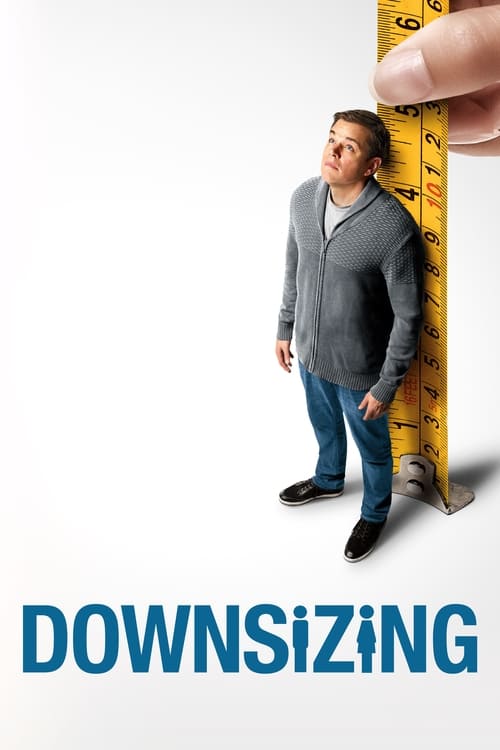
Sounds like “Horton Hears a Who” really hit home the idea of existentialism better than this then. And you know what? She’s 100% correct. If you want to watch a creative movie about the social differences of people and their sizes and the philosophical theme of existentialism, go watch “Horton Hears a Who.”
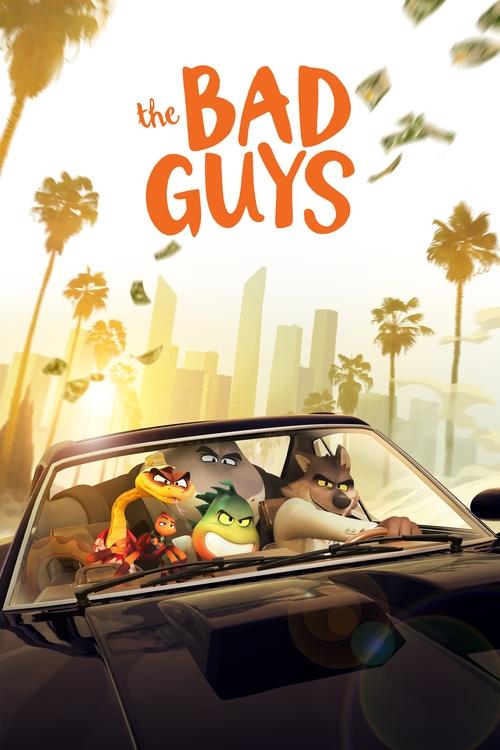
I love the flat, yet rich, designs of films like Spider-Verse , The Mitchells vs the Machines and The Peanuts Movie .