

Karen Maine
9 connections found
Filmography
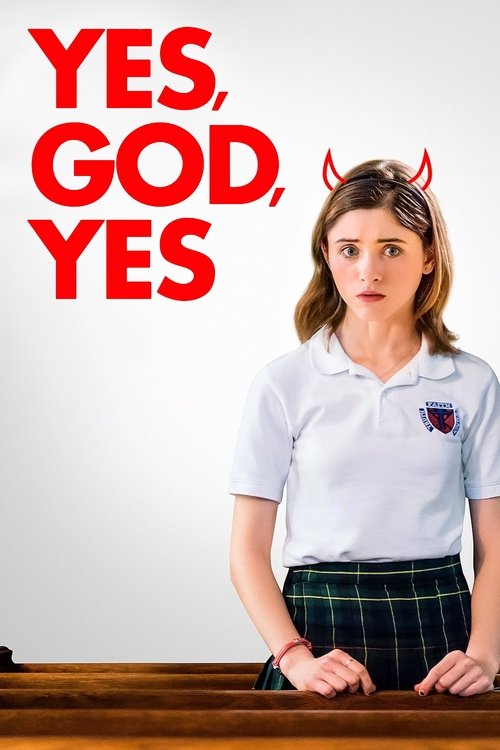
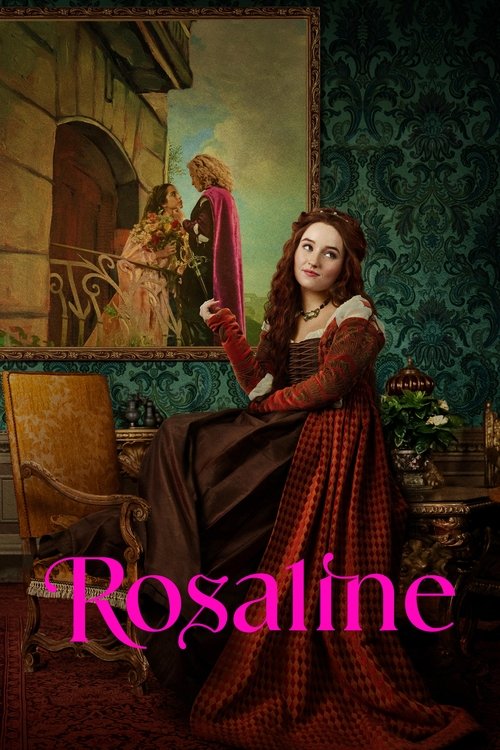
View:
Connections, in both directions



It may share an early-aughts Catholic school setting with Lady Bird , but that’s pretty much where the similarities end.
Maine depicts online-fueled sexual awakening at the turn of the 21st century, and the virtuous homogeneity of youth group culture, in a way that combines the earnestness and specificity of Lady Bird with the absurdity and liberation of But I’m a Cheerleader .
Audiences can already experience this with Bruce McCulloch’s Superstar (1999), find the ironic version in Brian Dannelly’s Saved! (2004), and explore the class issues in Greta Gerwig’s heartwarming Lady Bird (2017).
Unlike one of its filmic peers, Greta Gerwig’s Lady Bird, Catholicism and the mostly hypocritical Catholics in the movie are the butt of nearly every joke.
Lena Dunham with Girls, Laurie Nunn with Sex Education and Greta Gerwig with Lady Bird (not to mention Phoebe Waller-Bridge) have all established that young women can be complex, sexual and not completely kindly creatures.
Perhaps enhancing some of the film’s personal frames with more visceral camerawork could have rendered an even more meaningful experience, similar to what Greta Gerwig accomplished with her debut film Lady Bird (though in the grand scheme of things, this is a fairly minute complaint).
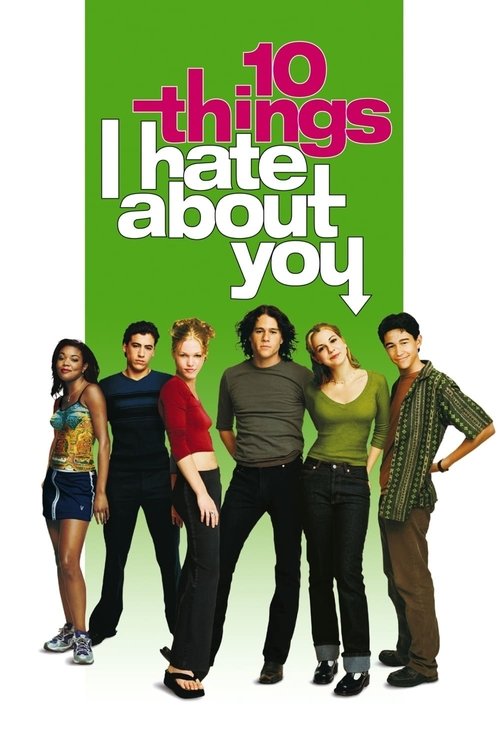
10 Things I Hate About You (1999)
Directed by Gil Junger
influenced Rosaline (2022)
Characters Visuals Plot
While Dario’s internality isn’t explored much, Teale gives him depth and dimension, with glints of inspiration from Cary Elwes in The Princess Bride and Heath Ledger in 10 Things I Hate About You .
Adopting a personality that takes inspiration from the likes of Baz Luhrmann’s Romeo & Juliet , 10 Things I Hate About You , and A Knight’s Tale , Rosaline is a charming romantic comedy that manages to present its meta commentary on the pros and cons of Shakespeare’s work in a self-aware fashion, further elevated by the effortless charm and comedically inclined Kaitlyn Dever as the titular ex.
There’s no shortage of Shakesperean film adaptations, especially ones targeted towards teenagers, but “Rosaline,” which benefits from the comedic chops and presences of the incredible Kaitlyn Dever, hits several sweet spots between the charm of “10 Things I Hate About You” and the creative liberties of Baz Luhrmann’s “Romeo + Juliet.”
We’ve seen plenty of Shakespeare plays done with a modern twist, from 10 Things I Hate About You (1999) to Romeo + Juliet (1996).
The movie’s entered “10 Things I Hate About You” territory.
It's only in recent film adaptations that she's started to become more visible, which sets the stage for the perfect elevator pitch for Hollywood's latest attempt to girl boss-ify Shakespeare (which, let's face it, was already perfectly done in "10 Things I Hate About You"): what if "Romeo and Juliet," but told by his bitter ex?!
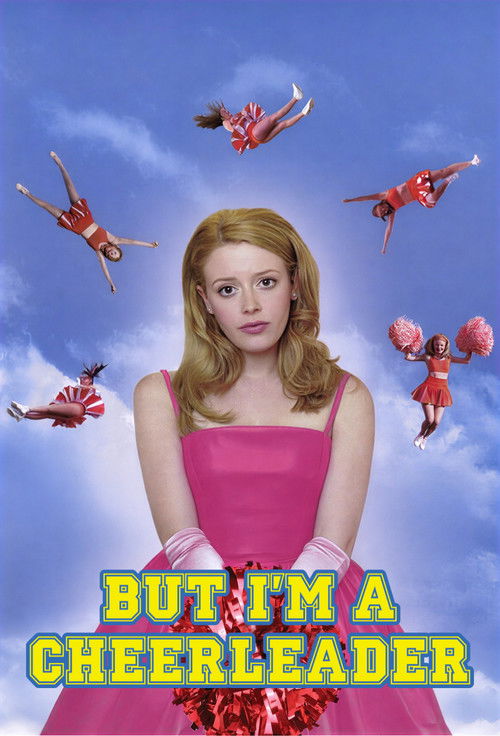
Maine depicts online-fueled sexual awakening at the turn of the 21st century, and the virtuous homogeneity of youth group culture, in a way that combines the earnestness and specificity of Lady Bird with the absurdity and liberation of But I’m a Cheerleader .
At a lakeside faith retreat — recalling the anti-gay conversion therapy camp in Jamie Babbit’s 2000 comedy, “But I’m a Cheerleader” — glimpses of fellatio and furtive onanism lurk alongside the singalongs.
In a scene that calls to mind Jamie Babbit’s But I’m a Cheerleader (1999), Alice ends up in a lesbian bar where the owner (wonderfully played by Susan Blackwell) provides wise counsel and gives her a wider perspective than the narrow viewpoints that have been torturing her.
“Yes, God, Yes” shares some similarities with films about kids getting “gay conversion therapy” (“But I’m a Cheerleader,” “Boy Erased,” “The Miseducation of Cameron Post”), particularly in the scenes showing repressed uptight adults shame teenagers for having perfectly natural feelings.
Yes, God, Yes feels right at home amongst such indie cult classics as Saved! , But I’m A Cheerleader , Summer ’03 , and The Miseducation of Cameron Post , just to name a few.
Call Yes, God, Yes, the heterosexual version of But I'm a Cheerleader, in which a teenaged girl pushes back against religious instruction to claim her sexuality.
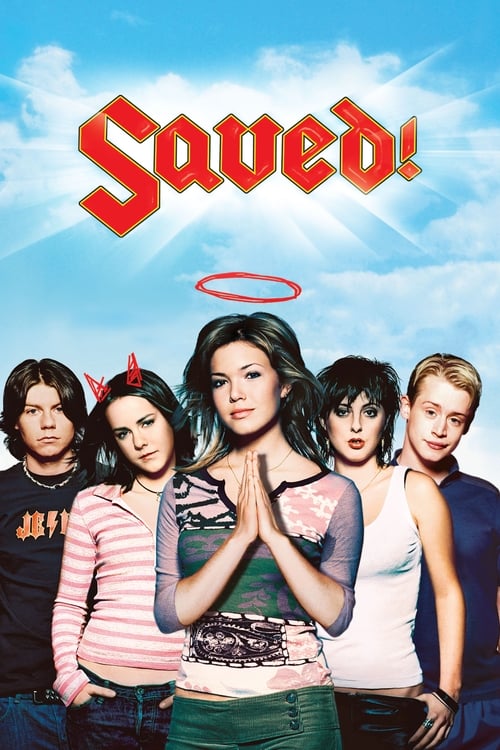
Audiences can already experience this with Bruce McCulloch’s Superstar (1999), find the ironic version in Brian Dannelly’s Saved! (2004), and explore the class issues in Greta Gerwig’s heartwarming Lady Bird (2017).
The subject matter brings to mind another great teen indie, 2004's brilliant Saved! , but Yes, God, Yes doesn't skewer "moral" sex ed with the same satirical bite as that much more heightened take on the subject (a highly satisfying needle drop in the closing moments, however, could be interpreted as a quiet nod to the earlier film).
Besides a meaningful, if tritely orchestrated conversation between Alice and a lesbian bar owner (Susan Blackwell), Yes, God, Yes treads the same territory as 2004’s Saved! , which was better able to tease out a myriad of complexities pertaining to teen sexuality and the oppressive hand of religious beliefs.
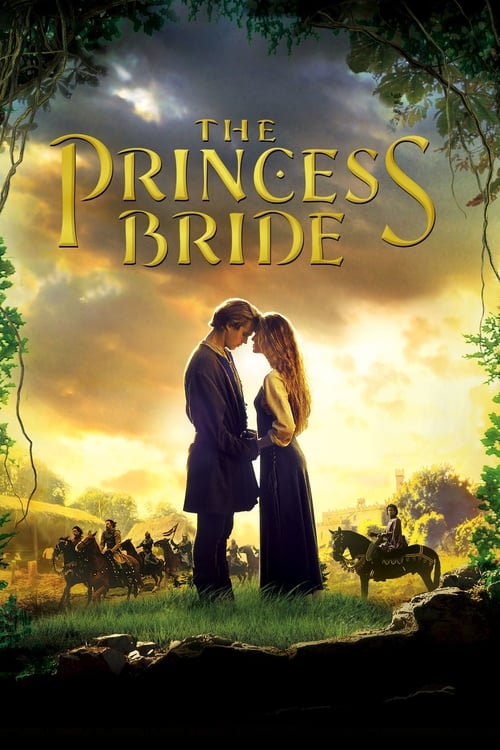
While Dario’s internality isn’t explored much, Teale gives him depth and dimension, with glints of inspiration from Cary Elwes in The Princess Bride and Heath Ledger in 10 Things I Hate About You .
Films like The Princess Bride (1987) and A Knight’s Tale (2001) aimed to subvert classical fables by adding details from the present.
The tone is screwball The Princess Bride, with a dash of the recent Catherine Called Birdy.
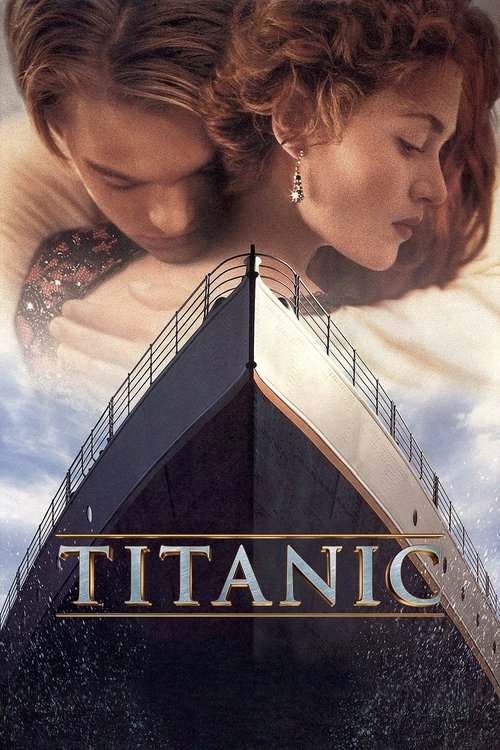
You’d think this would be easy enough, but not in the absurdly strict Catholic school she attends, which is so sexually repressed that performing solo is considered sinful and Titanic is somehow a provocative, illicit text.
Yes, God, Yes, a 2019 Sundance debut, stars Stranger Things actress Natalia Dyer, as Alice, a 16-year-old Catholic girl in Iowa, who comes from the generation of teenaged girls for whom the car sex scene in Titanic was a formative sexual experience.
Primed by multiple VHS viewings of the sex scene in “Titanic,” Alice is experiencing urges she’s unsure how to satisfy.
From Alice’s obsession with the PG-13 sex scene in Titanic, to the way the camera hones in on her crush Chris’ arm as she swoons, as if it’s this insane sexual object.
While nostalgia can sometimes be a shortcut to quick and easy endearment from anyone who watches a film, Yes, God, Yes uses it precisely to show the wide-eyed innocence of a high school girl who thinks rewinding the sex scene in Titanic to watch it three times is going to condemn her to hell.
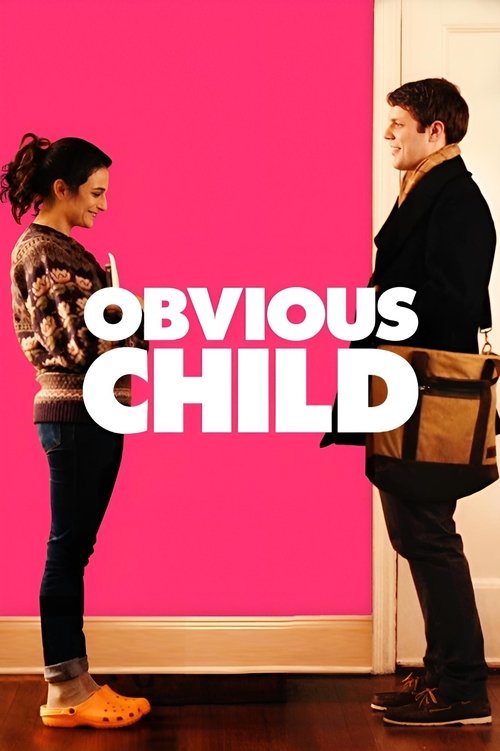
Another of writer/director Karen Maine‘s short films adapted to feature-length (her previous effort Obvious Child was made into a Jenny Slate-led feature in 2014), Yes, God, Yes is an honest – at times, almost brutally so – but consistently amusing comedy-drama hybrid detailing the sexual awakening and reckoning of a Midwest teenager who’s constantly battling her own urges against the Catholicism she believes she must adhere to.
Rather than merely make the same comment said dozens of times, filmmaker Karen Maine (co-writer of Obvious Child) makes a refreshingly big splash with her feature film directorial debut.
After writing Obvious Child and this film, I can’t wait to see what sentimental story Karen Maine gives us next.
Writer and director Karen Maine (who co-wrote the abortion taboo-shattering movie Obvious Child) seeks to rectify that discrepancy with her feature debut, which she describes as ‘a love story between one woman and her vagina’.
Karen Maine , co-writer of Gillian Robespierre’s Obvious Child (2014), makes her directorial debut with Yes, God, Yes , based on a previous short film which is also a semi-autobiographical take on growing up a Catholic schoolgirl in the early 00s of the conservative Midwest.
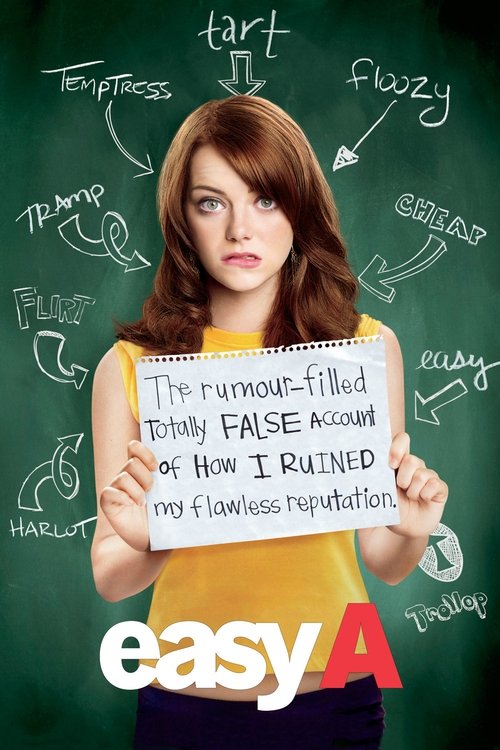
Yes, God, Yes may remind viewers of the 2010 teen comedy Easy A , that sees Emma Stone play a virgin who allows her male classmates to claim they had sex with her for compensation.

Greta Gerwig’s Lady Bird and Olivia Wilde’s Booksmart are the two rare mainstream female-centric entries to have been released in the past decade.
It kinda is, but writer/director Karen Maine brings her semi-autobiographical world to the screen accomplishing with Yes, God Yes what Olivia Wilde does with Booksmart.