

Crystal Moselle
4 connections found
Filmography
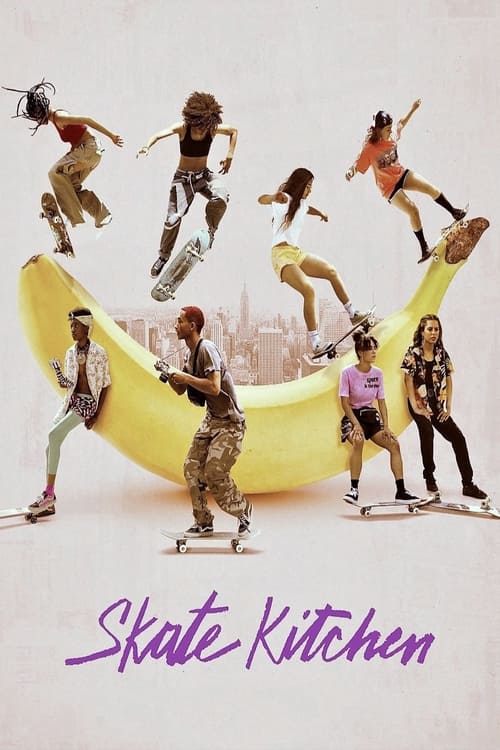
View:
Connections, in both directions
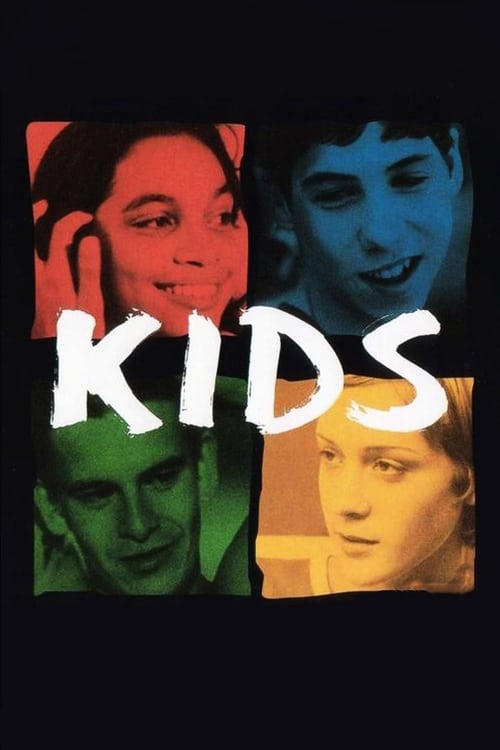


Moselle’s film will likely get compared to Larry Clark’s Kids because of its intense realism, but Skate Kitchen is at the vanguard of a new generation of observe-and-report coming-of-age movies that portray the real lives of young adults without devolving into an all-out exploitation.
"Skate Kitchen" has been compared to Larry Clark's "Kids," probably because the setting and age range of the main characters are the same, but it's a much less dire and alarmist film.
Seen from the point of view of these young women, there is a high-energy and honesty that especially shines in the skate sequences and hangout sessions that evokes feelings of Kids and Lords of Dogtown for this generation.
Of course, there’s a long-standing precedent to capturing this subculture — “Kids” did it, with more adventurous storytelling twists, more than 20 years ago — but Moselle’s subjects hold their own with the surprising ability to clarify their emotions through the cathartic process of hanging out.
With its zits-and-all naturalism and documentary-style immersion into a down-and-dirty New York youth milieu, “Skate Kitchen’s” clearest aesthetic antecedent would seem to be 1995’s “Kids.”
Unlike, say, the alarmist 1995 “Kids,” “Skate Kitchen” doesn’t portray rampaging teenage hormones as a unilaterally malevolent force.
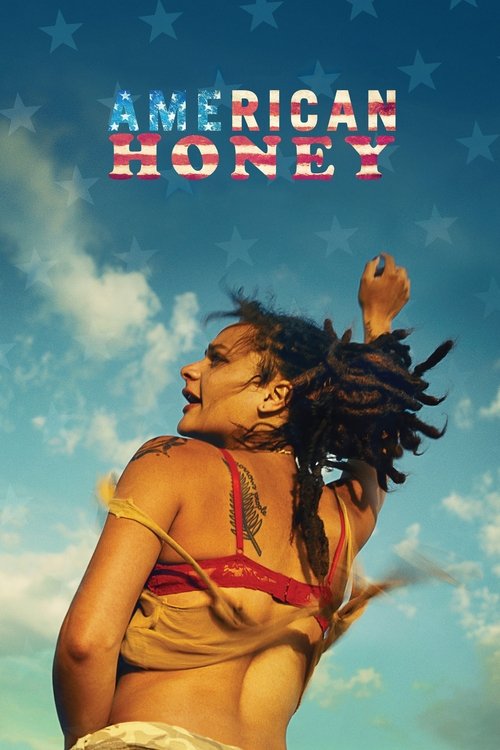
Moselle’s freewheeling shooting style and approach to narrative earn Skate Kitchen comparisons to Andrea Arnold’s American Honey , a less structured and conventional film about a ragged but tight-knit subculture of young people.
Consider it the skateboarding version of American Honey.
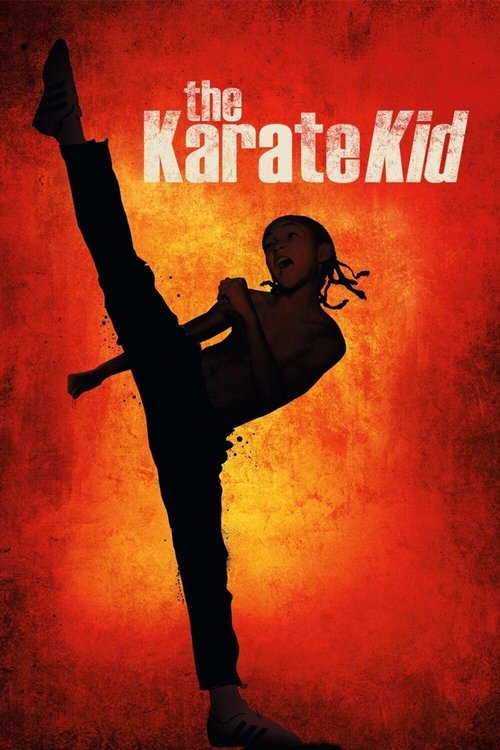
It dawned on me that Jaden Smith is no longer that little boy that we know from early days of films like Pursuit of Happyness and The Karate Kid .
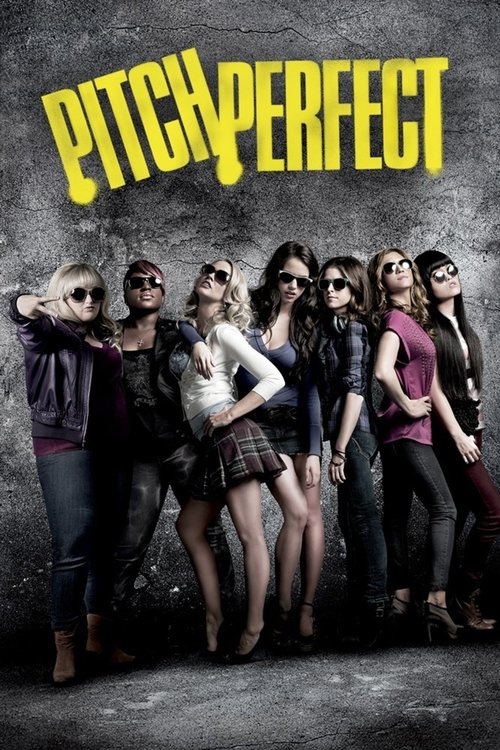
The film from Crystal Moselle (who previously directed the documentary The Wolfpack, about six brothers locked away in a Manhattan apartment and only interacting with the world through movies) is a fusion of the hazy, gauzy, languid cinematography of a Sofia Coppola film and the girls-against-boys vibe of the first Pitch Perfect, a story of an introverted girl on the outside of a divided subculture who wants into that world.