
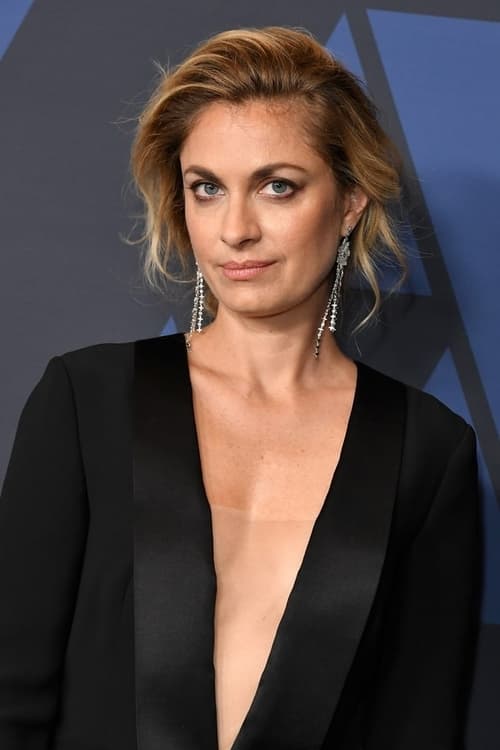
Laure de Clermont-Tonnerre
5 connections found
Filmography
View:
Connections, in both directions
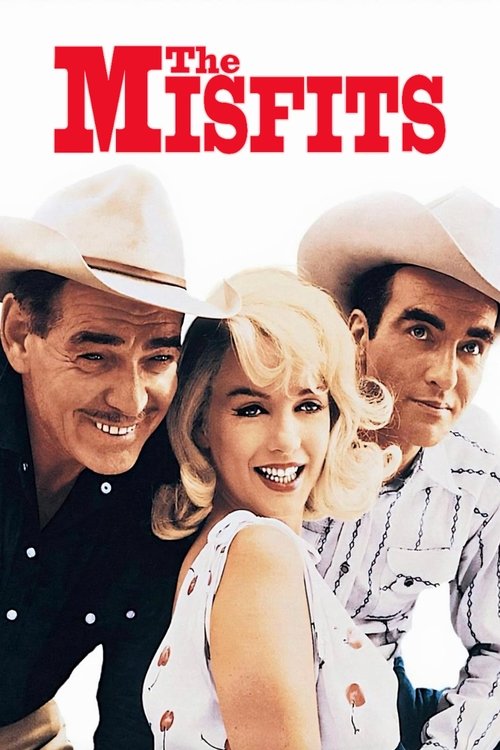


But that’s the nature of art, and in movies such as “The Misfits” (1961), “Lonely Are the Brave” (1962), and, more recently, “The Rider” (2017), these noble beasts have served well as a symbol for the untamed soul of a troubled protagonist.
If the opening sequence of The Mustang calls anything to mind from our collective cinematic past, it's the ending of 1961’s The Misfits.
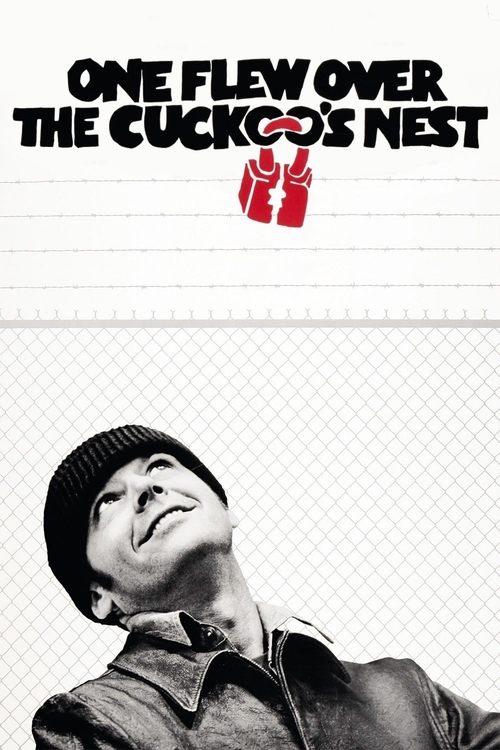
One Flew Over the Cuckoo's Nest (1975)
Directed by Miloš Forman
influenced The Mustang (2019)
Themes
Randle McMurphy would have leapt at that opportunity, and “One Flew Over the Cuckoo’s Nest” (1975) comes to mind again at the end of the film, which is also when you’re reminded that one of the main reasons characters in a movie bond with horses (or any animal) is to get an audience to cry.
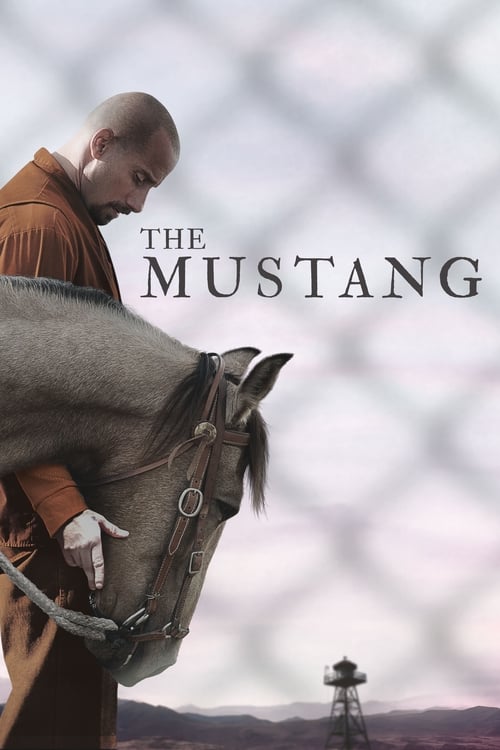
Unfolding like a powerful cross between “Lean on Pete” and “The Shawshank Redemption,” “The Mustang” begins by informing us that 100,000 wild horses still roam the Western United States, even if the Bureau of Land Management contends that the country can only support a fraction of that.
On the surface, the film is a prison drama mixed with an animal-bonding movie — think The Shawshank Redemption meets The Black Stallion.
But de Clermont-Tonnerre and cinematographer Ruben Impens (Felix van Groeningen’s longtime collaborator on films like The Broken Circle Breakdown and last year’s Beautiful Boy) keep our attention on the characters and their experiences.
His backstory doesn’t really matter, though, as Coleman falls in a tradition of American anti-heroes that probably has roots in “Taxi Driver” (1976) and includes Walter White in the TV series “Breaking Bad” and most recently the PTSD victims in Lynne Ramsay’s “You Were Never Here” (2017) and Debra Granik’s “Leave No Trace” (2018) — the latter two films, like “The Mustang” and “The Rider,” directed by women.