

Gabe Ibáñez
7 connections found
Filmography

View:
Connections, in both directions
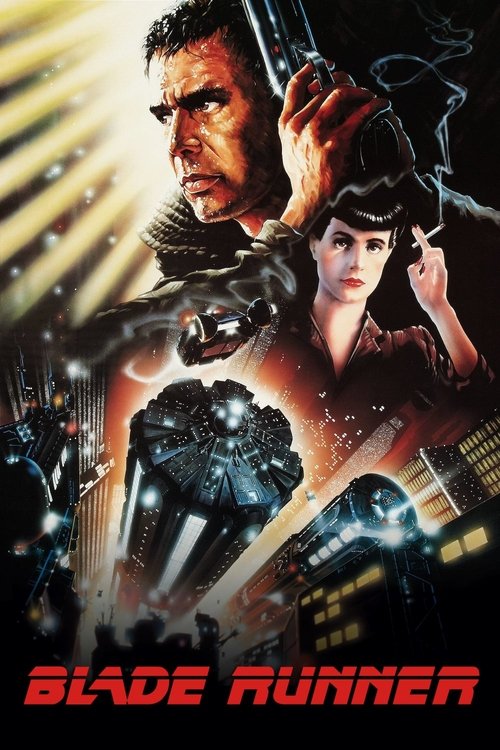


The film's design evokes peak-period Jean Giraud, whose gorgeous science-fiction illustrations inspired Ridley Scott's films Alien and Blade Runner, and therefore every subsequent depiction of a future built up from the accretion of successive decades of engineering.
Not since The Matrix, or perhaps even Blade Runner (which Automata also liberally references), has a dystopian world seemed so compelling in-and-of itself.
Inside one of the small number of cities on Earth that are protected from the deadly rays of the sun, but not from a production design that’s a blatant rip-off of “Blade Runner," lives bitter insurance agent Jacq Vaucan (Antonio Banderas), who’s in charge of making sure Pilgrims operate the way they’re supposed to.
At its worst, it is derivative of tropes mined more creatively in its stylistic forebears Blade Runner and Brazil, but without the innovation of the former or the satire of the latter.
Spanish helmer Gabe Ibanez (“Hierro”) and co-writers Igor Legaretta Gomez and Javier Sanchez Donate pick from “Blade Runner,” “Terminator” and countless other pics in what feels like a late-night brainstorm at a sci-fi geek convention, yet did the producers — none of them novices — not think to ask: “Does this work?”
Directed and co-written by Gabe Ibáñez with an overwrought tone, the dreary "Blade Runner"-"I, Robot" retread never manages to evolve into a compelling piece of filmmaking despite production design that has its moments of stark, surreal beauty.
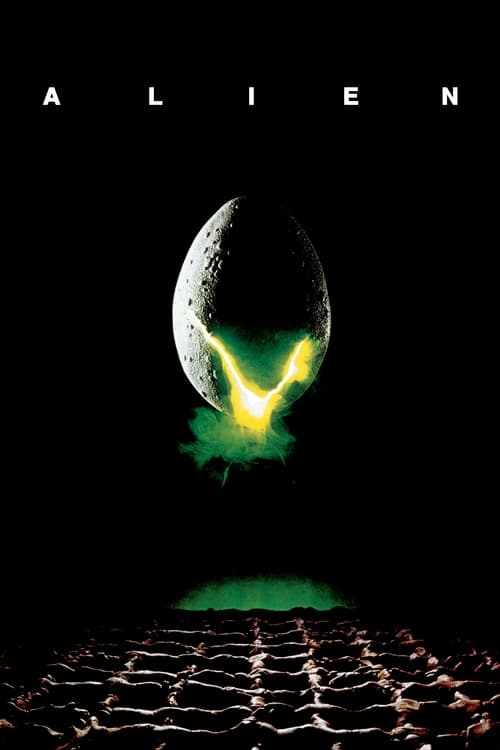
The film's design evokes peak-period Jean Giraud, whose gorgeous science-fiction illustrations inspired Ridley Scott's films Alien and Blade Runner, and therefore every subsequent depiction of a future built up from the accretion of successive decades of engineering.
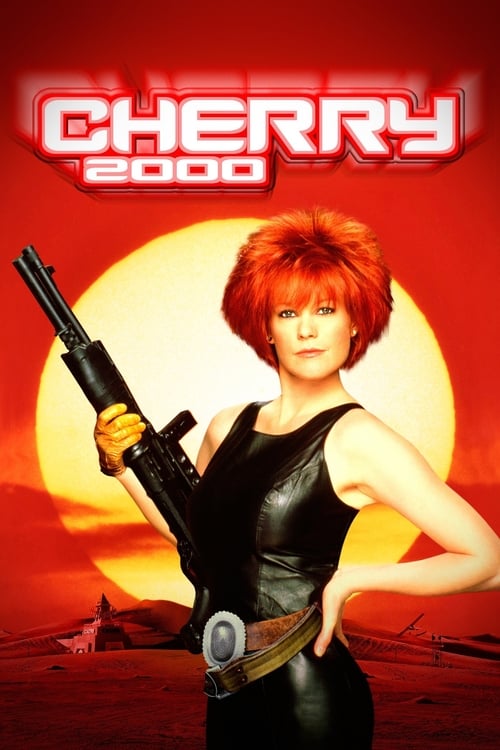
Melanie Griffith appears briefly as a robotics expert, and it is impossible not to think of “Cherry 2000.”
Banderas’s wife, Melanie Griffith , starred in “Cherry 2000,” another Man vs. Robots film from the 80s.

Jacq learns there’s a hooker robot named Cleo acting a little fishy, so he tracks down its creator, Dr. Susan Dupre ( Melanie Griffith , also supplying Cleo’s voice as well as a dyed platinum version of her “Something Wild” hairdo for the robot).
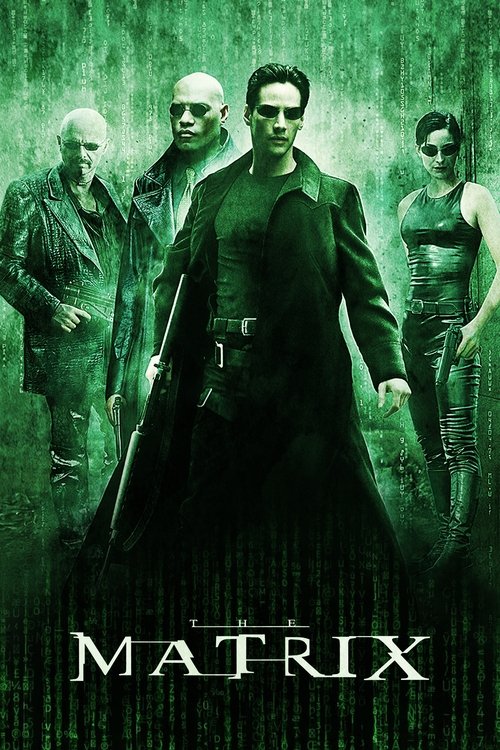
Not since The Matrix, or perhaps even Blade Runner (which Automata also liberally references), has a dystopian world seemed so compelling in-and-of itself.

Music is OK until the aforementioned choral swells, and the Charles Trenet song “La Mer” isn’t used quite as well as it is in Tomas Alfredson’s “Tinker, Tailor, Soldier, Spy.”

Besides, that angle’s been covered in Lars and the Real Girl and Her.