

Jeymes Samuel
7 connections found
Filmography
View:
Connections, in both directions
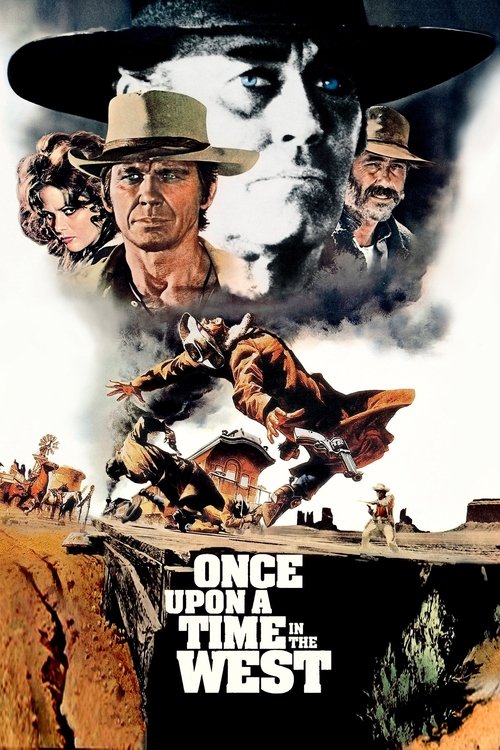
Once Upon a Time in the West (1968)
Directed by Sergio Leone
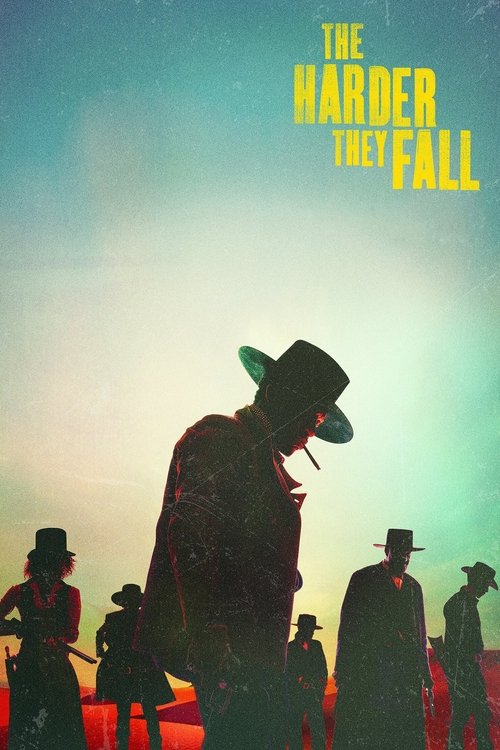
influenced The Harder They Fall (2021)
Themes Visuals Characters Plot

The movie, in theaters now and debuting Nov. 3 on Netflix, is a 137-minute revenge saga that reminds you of Leone’s “Once Upon a Time in the West.”
In fact, the first real killing is done in a style that’s molto spaghetti western; and Treacherous Trudy (King) is about the meanest gunslinger this side of Henry Fonda in “Once Upon a Time in the West.”
He enters a saloon with the swagger of Charles Bronson in Once Upon A Time in the West and the cool factor of a Paul Newman.
The setup’s right out of Leone’s “Once Upon a Time in the West” (1968), as a young boy, Nat Love, witnesses his parents gunned down by the gang of a remorseless outlaw (Idris Elba) and spends the rest of his life hunting down those responsible.
It is upfront and in your face a cliché parody of Sergio Leone oaters, particularly The Good, The Bad and The Ugly and Once Upon a Time in the West.
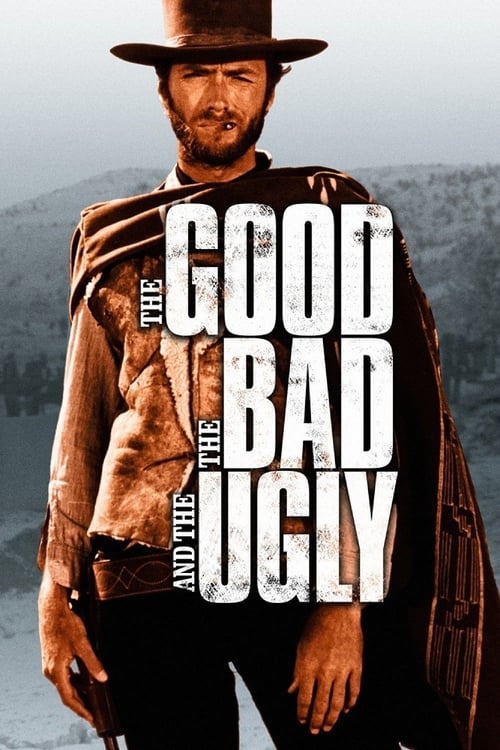
The Good, the Bad and the Ugly (1966)
Directed by Sergio Leone
influenced The Harder They Fall (2021)
Visuals Music
Shootouts are defined by extreme closeups straight out of The Good, the Bad and the Ugly , and the excess blood splatter recalls Sam Peckinpah’s approach to staging violence in The Wild Bunch .
It is upfront and in your face a cliché parody of Sergio Leone oaters, particularly The Good, The Bad and The Ugly and Once Upon a Time in the West.
The Good, the Bad and the Ugly for example introduced the ocarina, a flute instrument whose sound is linked to the genre’s standoffs that would become a staple for Westerns.
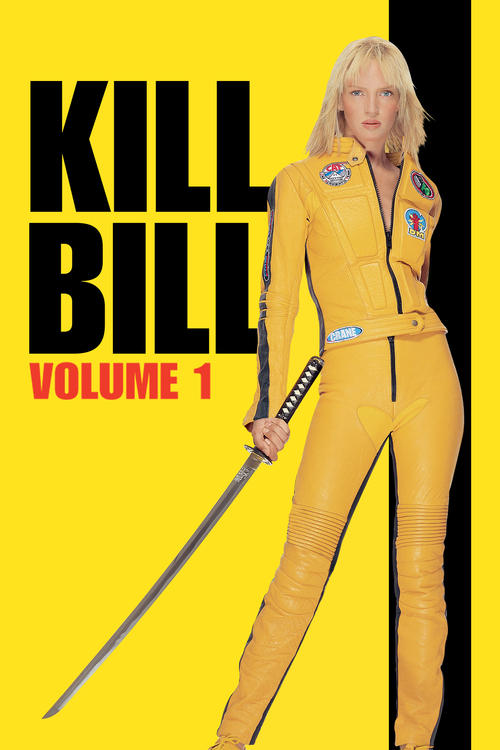
Kill Bill: Vol. 1 (2003)
Directed by Quentin Tarantino
influenced The Harder They Fall (2021)
Themes Characters Visuals
The Harder They Fall has the same vibe as Django or Kill Bill .
Not since Quentin Tarantinos Kill Bill movies have I seen such tough women on screen.
It’s produced by Netflix and Overbrook Entertainment, as well as Samuel, Lawrence Bender ( Kill Bill ), G. Mac Brown ( The Dark Tower ), Jay-Z, and James Lassiter ( I Am Legend ).
Lo primero que observamos es que hay algo de Tarantino, más que nada de Kill Bill .
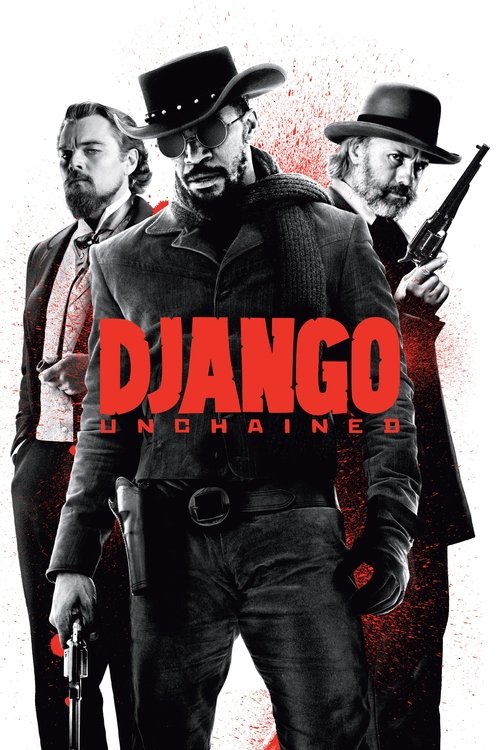
Django Unchained (2012)
Directed by Quentin Tarantino
influenced The Harder They Fall (2021)
Plot Visuals Themes Music
Featuring an ensemble of characters who are real historical figures, and utilizing them in a wholly fictional plot, The Harder They Fall has the vibe of “ Django Unchained meets Inglourious Basterds ,” and successfully crafts a gripping and thrilling story of rival gangs and vengeance in the Old West.
There will be inevitable comparisons to the unique style of Quentin Tarantino’s Django Unchained , and there’s no doubt Samuel has been influenced by the auteur’s entire body of work.
Mainstream Hollywood, too, has overlooked this fascinating part of the past though — from Sidney Poitier’s “Buck and the Preacher” and Mario Van Peebles’ “Posse” to Mel Brooks’ “Blazing Saddles” and Quentin Tarantino’s “Django Unchained” — images of Black cowboys and gunfighters occasionally have risen from the murk of anonymity to claim their rightful place on the big screen.
And where a movie like Django Unchained was an outright revenge fantasy, a reworking of history (and movie mythology) that made a grand show of delivering long-overdue symbolic payback, Samuel’s movie is a revenge story — it’s not so wedded to feigning a sense of just desserts, or commenting on the nation’s bad karma, by way of an orgiastic bloodbath.
There was Skin Game (1971), upon which Django Unchained seems partially based, and then—aww yeah—there’s the absolute thrill of Mario Van Peebles’ Posse (1993).
It’s far from the first movie to use this technique, with everything from Tarantino using Rick Ross in Django Unchained to Will Smith rapping over a Stevie Wonder sample in Wild Wild West spotlighting the surprising chemistry between modern Westerns and contemporary Black artists across a variety of musical genres.
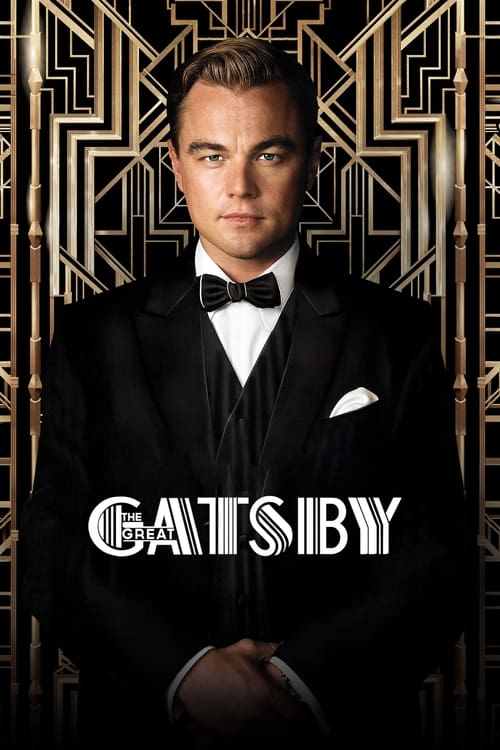
It’s no surprise to learn that he and Shawn Carter (aka Jay-Z, who produces) helped orchestrate the music for Baz Luhrman‘s The Great Gatsby as the feel is very similar, eschewing needle-drops for an immersive atmosphere of augmented emotional reality via song.
But although most of the characters are named after actual people, there aren’t a lot of historical lessons to be gleaned from The Harder They Fall – a first feature made in the US by British director Jeymes Samuel, who performs as a musician under the alias The Bullitts and worked as a music consultant on the campy Baz Luhrmann version of The Great Gatsby .
Samuel worked on Baz Luhrmann’s The Great Gatsby as the executive music consultant.
Working alongside regular collaborator Jay-Z, the pair have collated a soundtrack that eventually defines the film more than its western influences, seemingly every other scene punctuated by a modern needle drop; that the pair previously collaborated on the soundtrack for Baz Luhrmann’s The Great Gatsby should tell you all you need to know.
Samuel — who, under the name The Bullitts, is a respected music producer who worked with Jay-Z as a music consultant on Baz Luhrmann’s “The Great Gatsby” — stages action scenes with the fast cadence and insistent beats of a good rap song.
In his musical incarnation, he was chosen by Jay-Z (who also serves as a producer on this picture) and Baz Luhrmann to be the executive music consultant for The Great Gatsby .
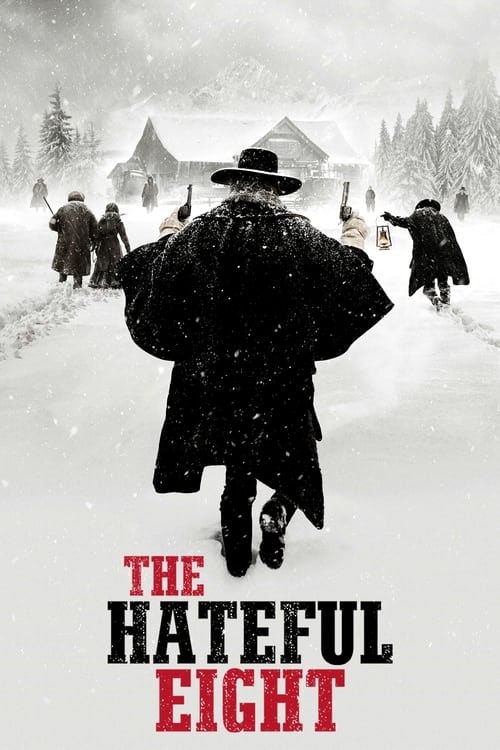
The Hateful Eight (2015)
Directed by Quentin Tarantino
influenced The Harder They Fall (2021)
Characters Themes
So memorably laconic elsewhere, the actor stretches to create a charismatic character (Deadwyler’s Cuffee comes a close second), chewing on his cheroot and drawling speeches that would be right at home in “Django Unchained” or “The Hateful Eight.”
Quentin Tarantino saw fit to bless the world with two Westerns in the last decade with "Django Unchained" and "The Hateful Eight."
Forget The Hateful Eight and Django Unchained , this is the western Quentin Tarantino wishes he made.
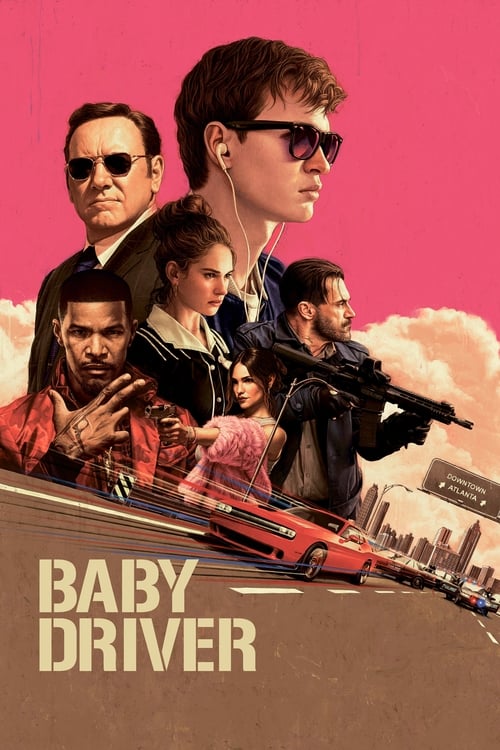
Soundtracks in films like Belly , Atomic Blonde , and Baby Driver added an underlining element of storytelling through music.