
Josh Boone

Connections, in both directions
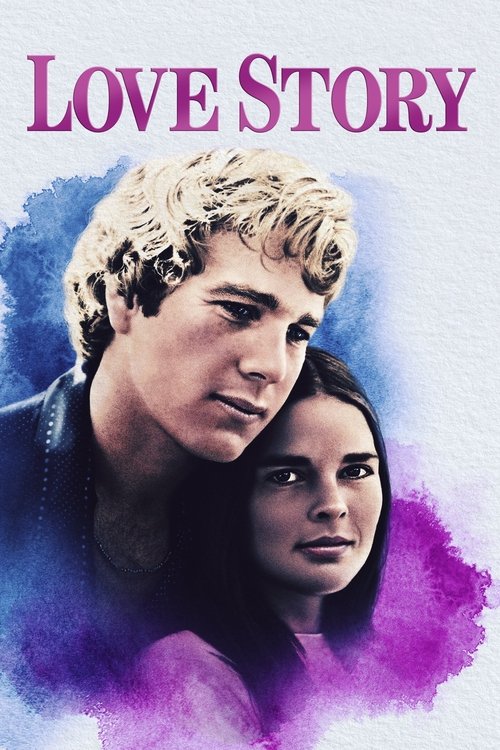
Love Story (1970)
Directed by Arthur Hiller
influenced The Fault in Our Stars (2014)


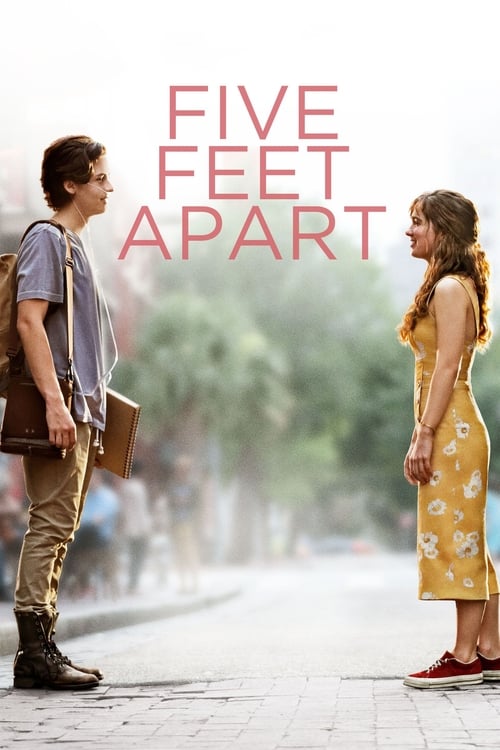
Five Feet Apart (2019)
Directed by Justin Baldoni
influenced by The Fault in Our Stars (2014)

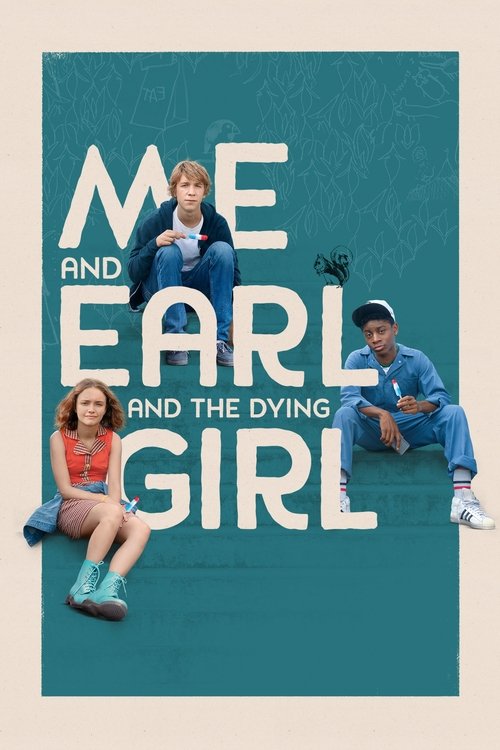
Me and Earl and the Dying Girl (2015)
Directed by Alfonso Gomez-Rejon
influenced by The Fault in Our Stars (2014)
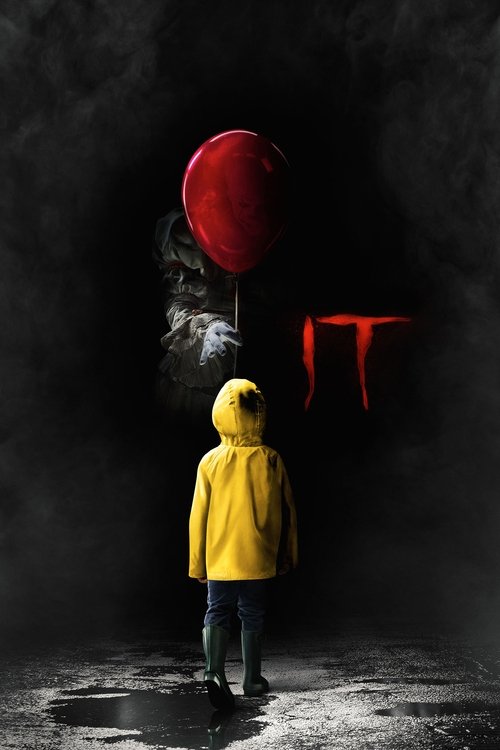

Words on Bathroom Walls (2020)
Directed by Thor Freudenthal
influenced by The Fault in Our Stars (2014)
All the Bright Places (2020)
Directed by Brett Haley
influenced by The Fault in Our Stars (2014)
Romeo and Juliet (1968)
Directed by Franco Zeffirelli
influenced The Fault in Our Stars (2014)

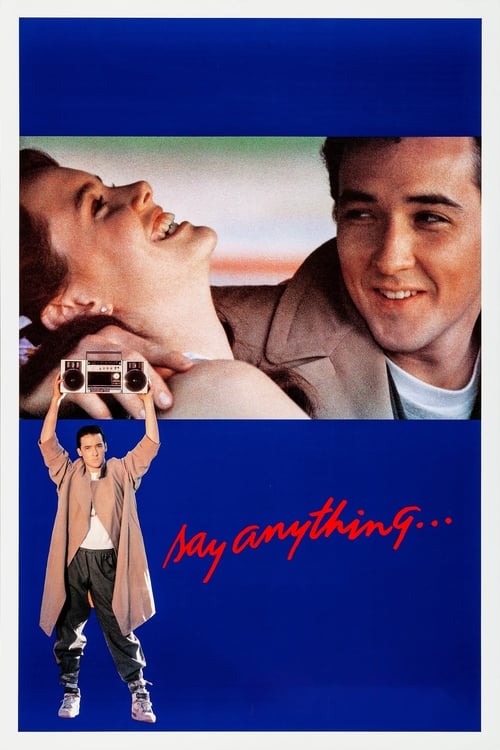
Say Anything... (1989)
Directed by Cameron Crowe
influenced The Fault in Our Stars (2014)
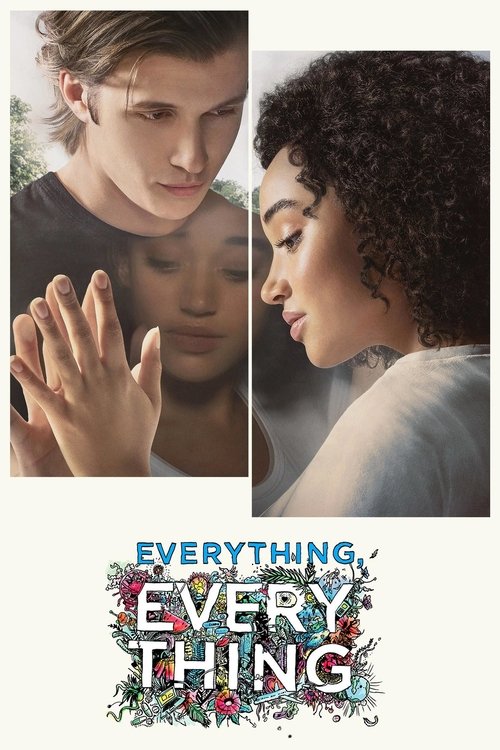
Everything, Everything (2017)
Directed by Stella Meghie
influenced by The Fault in Our Stars (2014)
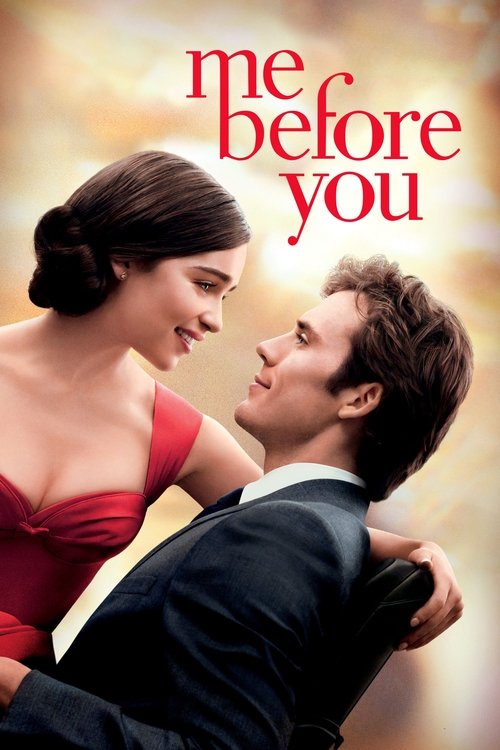
Me Before You (2016)
Directed by Thea Sharrock
influenced by The Fault in Our Stars (2014)
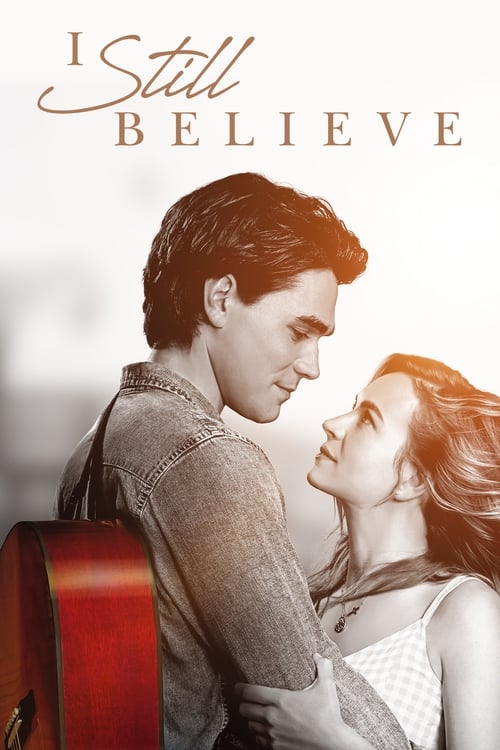
I Still Believe (2020)
Directed by Andrew Erwin
influenced by The Fault in Our Stars (2014)

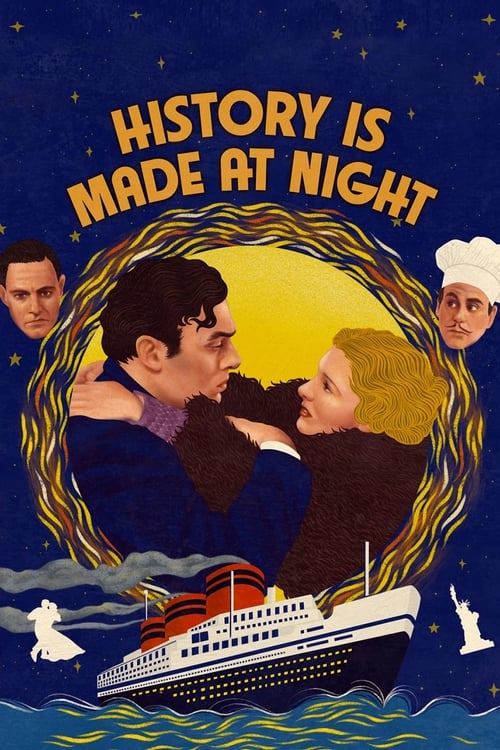
History Is Made at Night (1937)
Directed by Frank Borzage
influenced The Fault in Our Stars (2014)
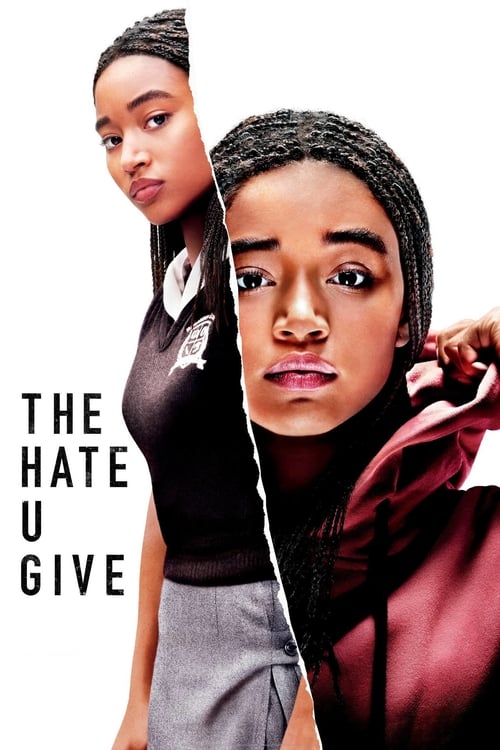
The Hate U Give (2018)
Directed by George Tillman Jr.
influenced by The Fault in Our Stars (2014)