
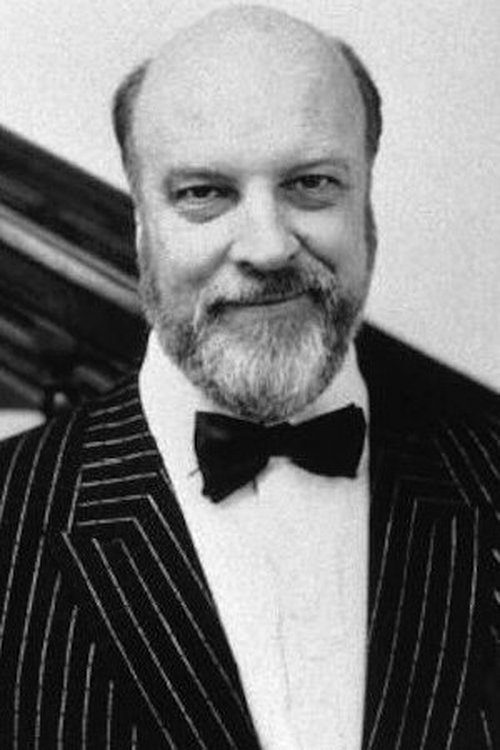
Paul Bartel
13 connections found
Filmography


View:
Connections, in both directions
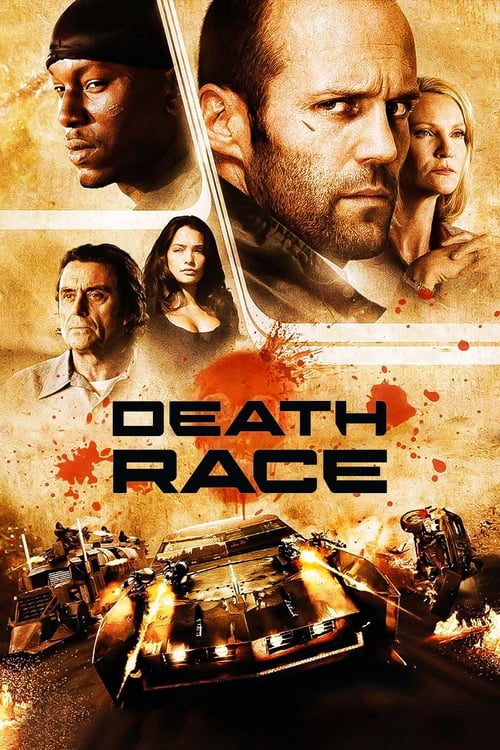
Death Race (2008)
Directed by Paul W. S. Anderson
influenced by Death Race 2000 (1975), Eating Raoul (1982)
Plot


It's more variation-on-a-theme (by way of "The Running Man") than remake of producer Roger Corman and director Paul Bartel's campy 1975 drive-in classic, "Death Race 2000."
Yet it's not like Anderson didn't start with a reasonably sturdy foundation: The original film, 1975's Death Race 2000, is trashy fun, a campy Roger Corman satire with David Carradine and a pre-Rocky Sylvester Stallone as rival drivers in a nationally broadcast sport where the purpose (along with taking out fellow speed racers) is to run over as many people as possible.
Produced in 1975 at a time when the rising levels of violence in professional sports inspired both public outcries and a solemn, big-budget epic of speculative science-fiction based on that concept in Norman Jewison’s “Rollerball,” Paul Bartel’s “Death Race 2000” was a low-budget extravaganza from Roger Corman’s New World Pictures that combined bloody action and jet-black comedy to tell the story of a futuristic government-sanctioned cross-country auto race in which there were no rules, the contestants were free to knock out their competition by any means necessary and bonus points were scored for every pedestrian that they struck and killed along the way.
Based loosely on Roger Corman’s biting Death Race 2000 (1975), the movie pits a disgraced, rough-trade racing driver, Jensen Ames (Jason Statham), against amoral prison boss Hennessey (a silky Joan Allen), who has invented the ultimate pay-per-view thrill: snuff TV.
The film "re-envisions" the Roger Corman-produced, 1975 cult film (which was titled "Death Race 2000") and stars Jason Statham.
Way back in 1975, mischief-minded director Paul Bartel (Eating Raoul), producer Roger Corman and screenwriters Robert Thom and the great Charles Griffith created a low-budget cult classic in Death Race 2000, a culture and media satire based on Ib Melchior’s scarily prophetic 1956 story in which a futuristic America rallies around a race in which points are scored by plowing over pedestrians.
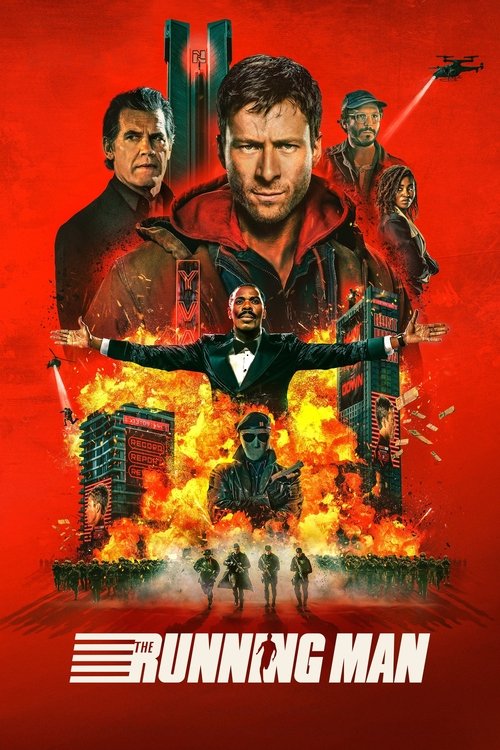
In Melchoir’s “The Racer” (filmed in 1975 as Death Race 2000)…
…the finish line isn't as clear as that of Death Race 2000.
Just as the 1987 movie was often compared to Death Race 2000…
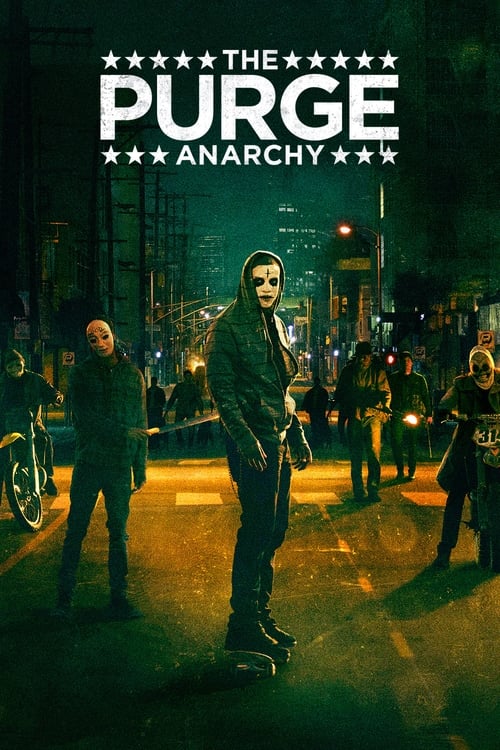
Gone are the days when the political and cultural satire of such drive-in cash grabs as the Roger Corman production “Death Race 2000” (1975) would be appreciated only by connoisseurs, cultists and perhaps a handful of the critics who bothered to review them.

It's a message that pertains from everything to the panem et circenses of Imperial Rome (as represented by Nero the Hero - in fact, all of the racers explicitly represent a culture where people were kept distracted by violence-as-entertainment) to the Panem of The Hunger Games, and it is applied to the America in which Bartel and screenwriters Robert Thom and Charles B. Griffith (largely reworking a short story by Ib Melchior) were all living with particularly entertaining didacticism; its satire is as much funny as it is probing, and thus goes down far easier than it might seem on paper.
Cinematic science-fictions variations on these themes have included "Rollerball" (1975), "Death Race 2000" (1975), "Logan's Run" (1976), "The Running Man" (1987), "The Condemned" (2007), "Series 7: The Contenders" (2001, a movie that increasingly seems ahead of its time) and Japan's "Battle Royale" (2000), also about teenagers selected to fight each other to the death in a televised reality show for the alleged benefit of society as a whole.
The gimmick of widespread murder as televised entertainment proscribed by the government to sate and distract the increasingly jaded masses would later turn up in films such as the classic 1975 Roger Corman production "Death Race 2000" and the 1987 Stephen King adaptation "The Running Man" (which, in a brilliant stroke of casting, deployed none other than game show staple Richard Dawson, in the role of his career, as the malevolent emcee).
Unless you've seen Battle Royale, Series 7: The Contenders, The Most Dangerous Game, The Condemned, Death Race 2000, Gamer, Hard Target, Surviving the Game and The Running Man, obviously.
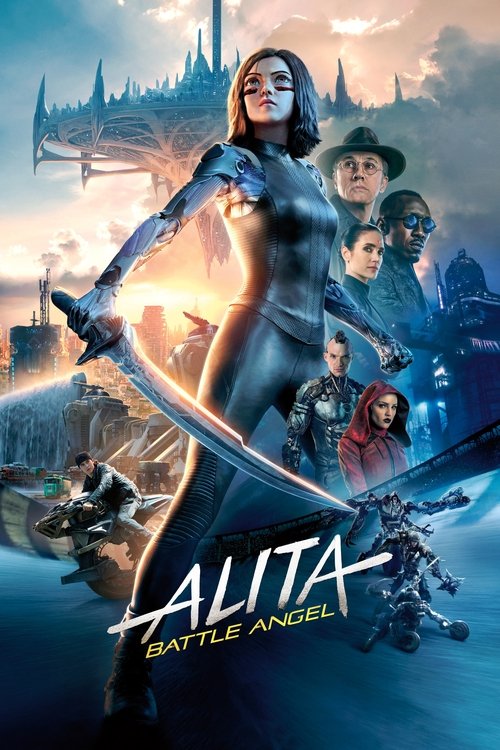
Some of this crash-boom stuff takes place during a game called Motorball, one of those survivalist contests that have been a genre staple since at least the 1975 film “Death Race 2000.”

Not because I don't think that violent genre pictures can't be satire; they can be great satire, as RoboCop and Death Race 2000 prove.
Forerunners for this invented America – in which the state sanctions extreme recreational violence – include those in Death Race 2000 and Rollerball.
There have been funny iterations too, like “Motel Hell” and “Eating Raoul.”

This may be the "cannibal sex movie to end all french cannibal sex movies" (I didn't know it was a genre in France) but, if you want to see the BEST cannibal sex movie, I would recommend "Eating Raoul" a... More...

But then the movie also lets you see how very Mad Max -meets- Death Race 2000 its world is too, with some incredible vehicle stunts that are so breathtaking, you never once stop to wonder how everyone still has gas four years after the end of the world.

Once past those asides, the whole exercise exists as a cheeky throwback to '70s-style dystopian free-for-alls -- think "Death Race 2000" -- with a knowing wink to current headlines and better special effects when it comes to blood-splatter techniques.
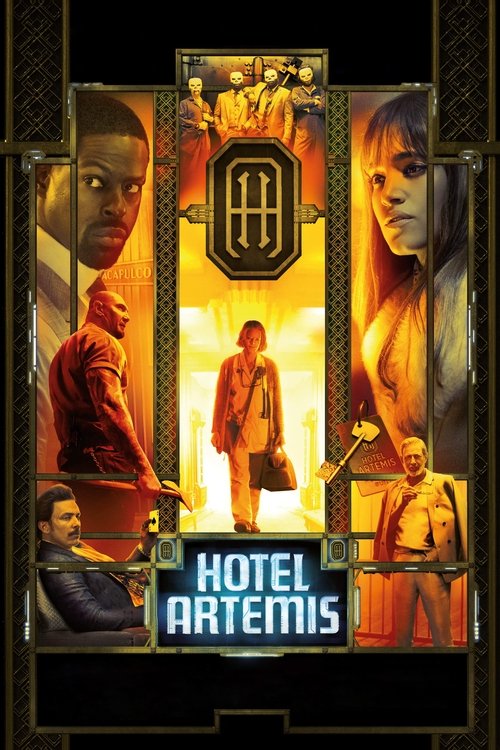
Watching “Hotel Artemis” (presumably named because calling it Hotel Terminus no doubt seemed a little too on-the-nose), I found myself thinking of those weirdo Seventies-era exploitation movies like “ Terminal Island ” and “ Death Race 2000 ,” which took outrageous premises and threw enough sex, violence, dark humor and bits of social commentary into the mix to elevate them above the usual grindhouse fare.
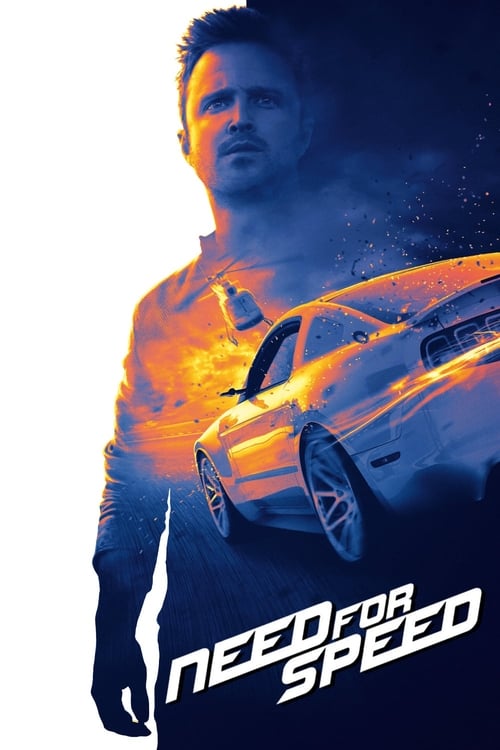
Morally, Death Race 2000 had the upper hand, but what this lacks in substance it makes up for in volume, not to mention length, squeezing a 79-minute premise into a two-hour-11-minute movie with patience-testing results.
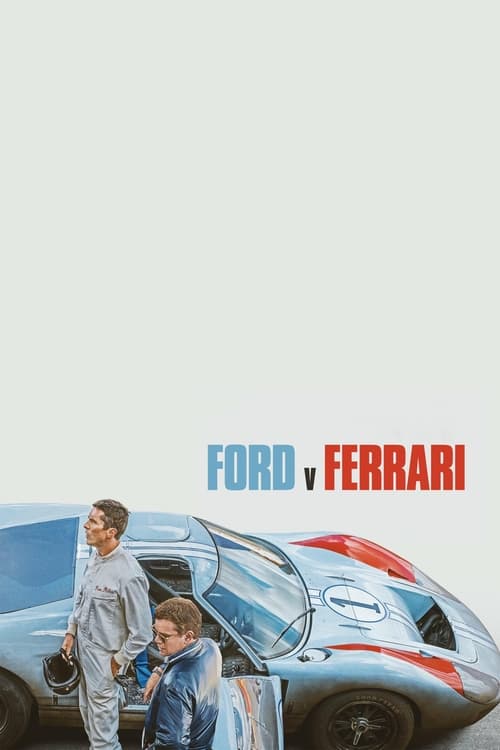
It also inevitably begs comparison to everything from Days of Thunder to Talladega Nights to, um, Stroker Ace to, uh, The Love Bug and, sure why not, Cars and The Cannonball Run and Death Race 2000 .